Putin's Approval Slips to 74% as Moscow Fuel Crisis Bites — SkimNews
Get the Geopolitics newsletter
Daily geopolitics — wars, elections, sanctions, the diplomatic moves that move markets. Free.
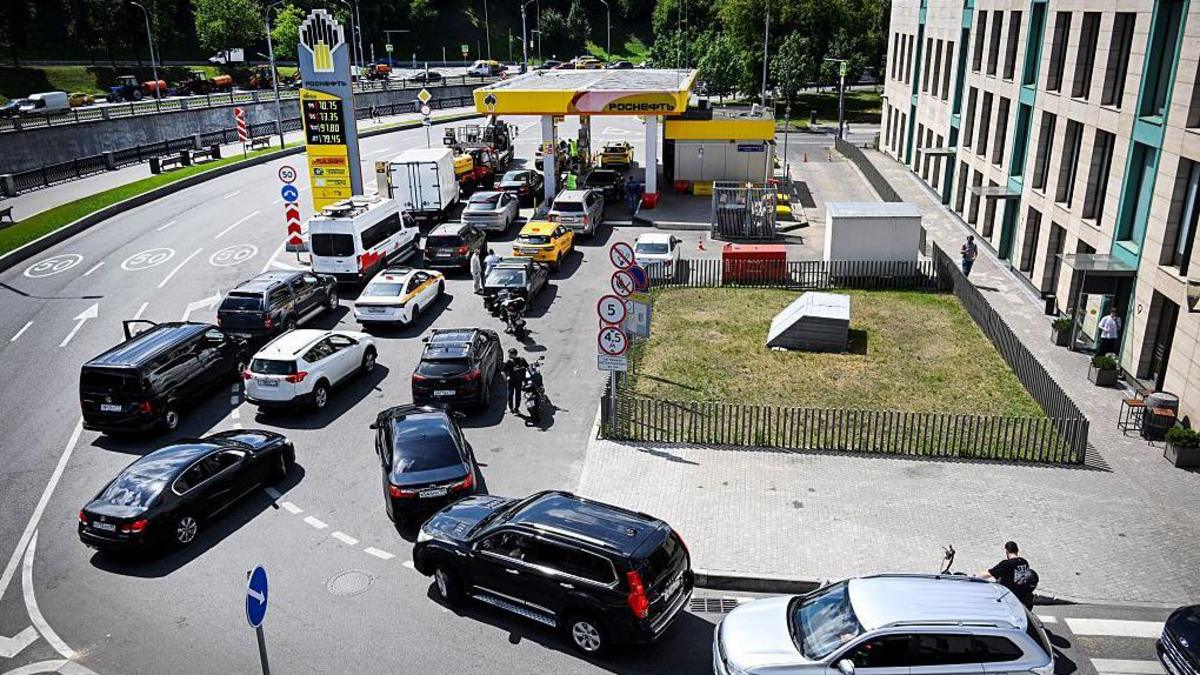
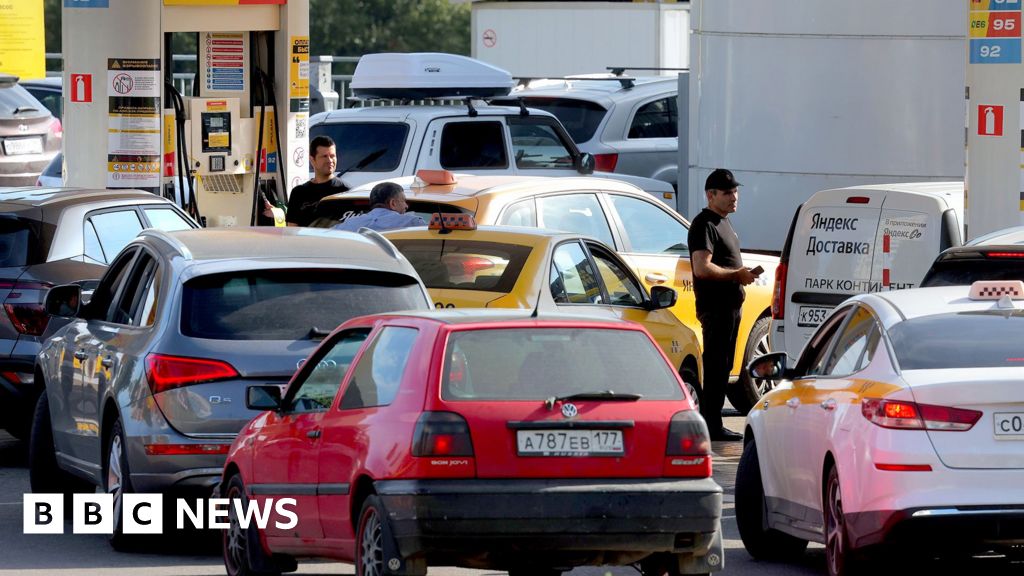
- Ukrainian drone and missile strikes on Russian oil refineries have triggered fuel shortages with long queues at Moscow petrol stations, some closed entirely after running out, as BBC reporters documented while driving around the capital.
- Putin publicly acknowledged the shortage on state TV, calling the Ukrainian attacks "obviously creating problems" but insisting the situation "is not critical," while authorities ramp up fuel imports, subsidize prices, and permit sales of lower-grade fuel.
- Levada Center polling shows Putin's approval at around 74%, with only 52% of Russians saying the country is heading in the right direction — down from 61% in May.
- Gallup found 60% of Russians say local economic conditions are getting worse, the most pessimistic reading in 20 years, while state-run VCIOM recorded a 3.4-point weekly drop in public trust in Putin.
- NATO leaders meeting in Ankara are watching whether domestic strain pressures Putin to negotiate; Kyiv strategists are banking on public exasperation translating into political leverage on the Kremlin.
- Nina Khrushcheva, professor at The New School, told the BBC that Western hopes of forcing Putin to the table are "a fantasy" and that pressure more likely makes him "act aggressively and repressively."
- Putin appeared in military fatigues meeting frontline commanders, claimed Russian forces hold the "strategic initiative," and ordered generals to analyze European allies' involvement in "real combat actions" — a phrase that has raised eyebrows in Western diplomatic and military circles.
Why it matters: With Putin's approval at ~74% and just 52% of Russians backing the country's direction — down from 61% in May — domestic economic strain is now measurable in polling, yet Putin's response was to appear in combat fatigues and demand his generals analyze European allies' 'combat actions,' meaning the fuel squeeze is producing military posturing rather than concessions at the moment NATO gathers in Ankara.
Ask SkimNews