NOAA Declares 2026 El Niño Underway, Super Event Likely — SkimNews
Get the Energy newsletter
Daily energy & climate — solar, EVs, oil, the policy fights and tech bets shaping the transition. Free.
- NOAA officially declared a 2026 El Niño underway with a greater than 50% chance of becoming a "super" El Niño, defined as more than 2°C of warming across the central and eastern tropical Pacific.
- Kevin Trenberth of the University of Auckland told Inside Climate News that El Niño's Pacific effects typically peak around December 2026, with a global warming pulse peaking around February 2027.
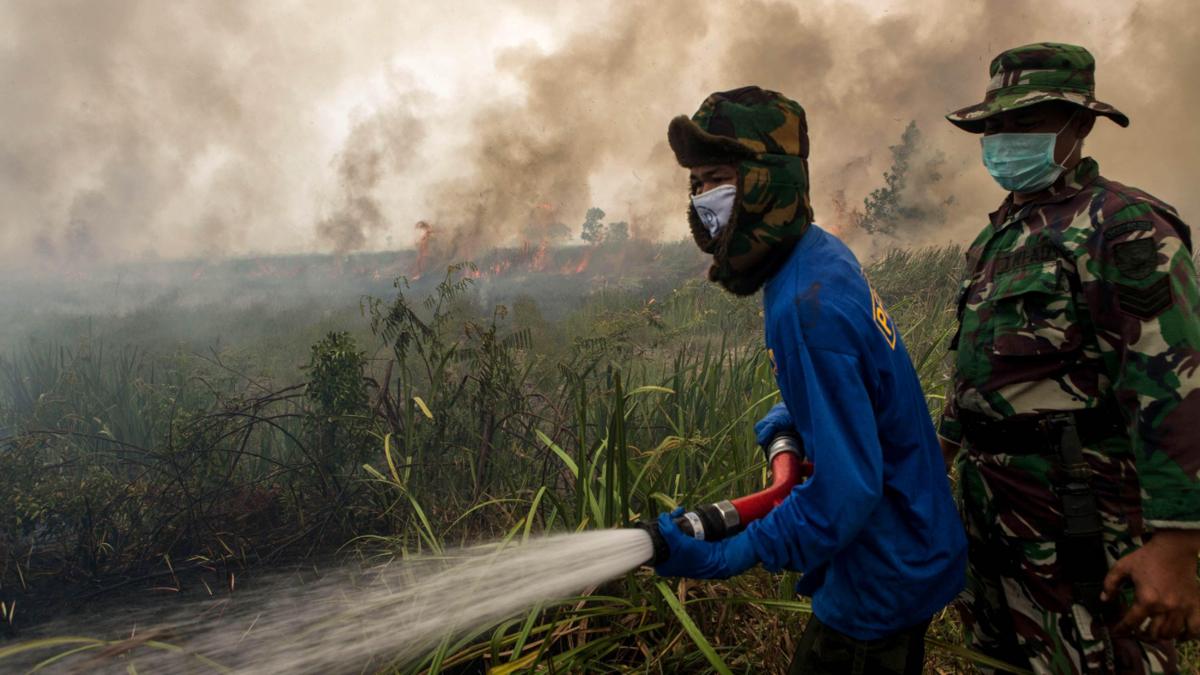
- The El Niño pattern typically brings heightened storm risk to Southern California and the southern US while suppressing activity in the northern US and southern Canada, with elevated wildfire risk across the West including possibly Northern Colorado.
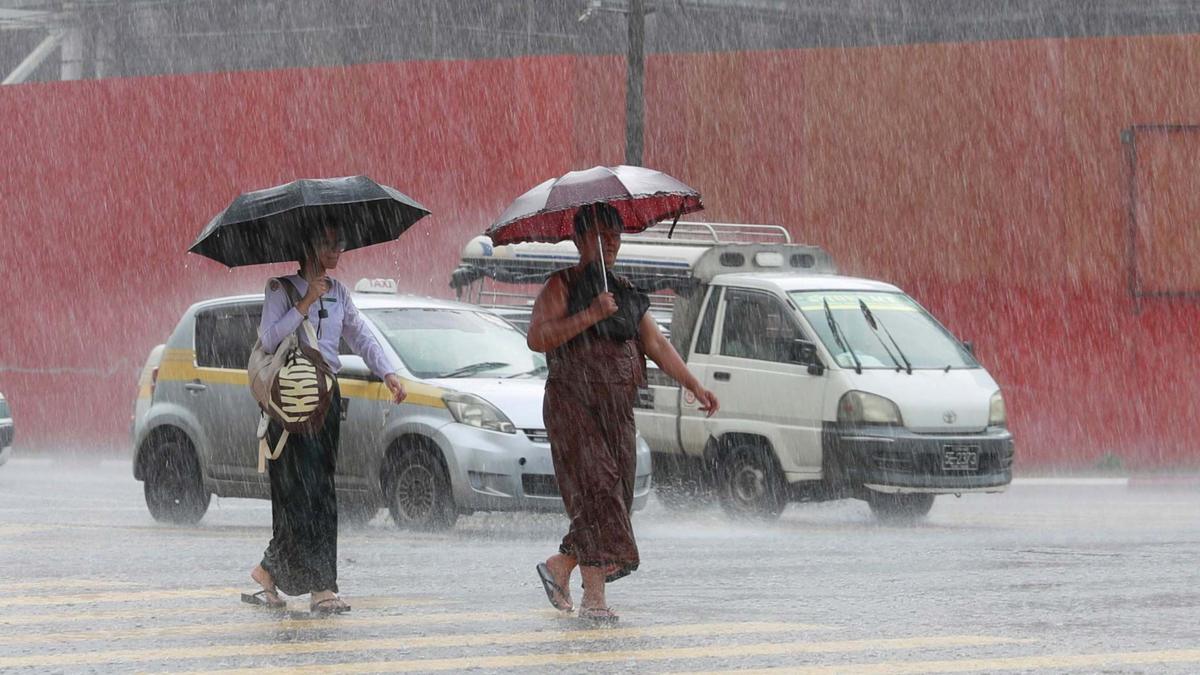
- Trenberth warned Southeast Asian monsoons face a real risk of being much weaker than normal, threatening agriculture in regions that depend on monsoon rains for eight months of the year.
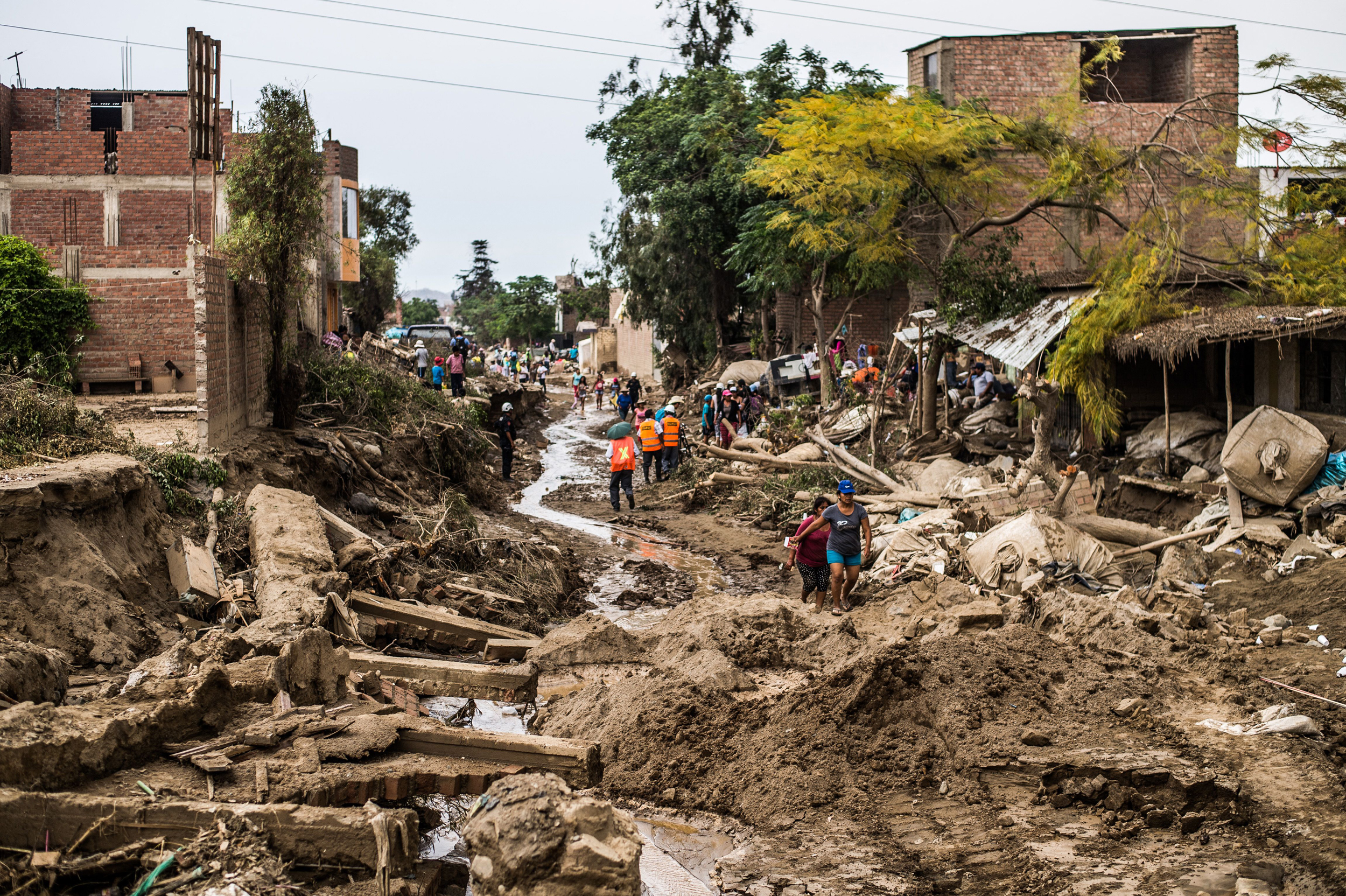
- Eastern Africa faces drought, flooding, and outbreaks of disease and insects tied to warm Pacific water flowing into the Indian Ocean, though Trenberth noted each El Niño plays out somewhat individually.
- NOAA's moored buoy network in the equatorial Pacific — the key system for tracking El Niño in real time — is under threat from US attempts to dismantle ocean monitoring, Trenberth said.
- Global temperatures will set new records from now through June 2027, with Trenberth noting atmospheric CO2 concentrations are already at the highest level ever recorded.
Why it matters: Global temperatures will set new records from now through June 2027 atop an already-warming climate. Southeast Asian farmers, Eastern African communities, and US wildfire managers all face near-term disruption — yet the NOAA buoy network critical to forecasting the event is itself under threat from cuts to ocean monitoring.
Ask SkimNews