Michigan Winemakers Fear Smoke Taint as Wildfires Spread — SkimNews

SkimNews Take
Wildfire smoke's transboundary drift exposes Michigan's nearly $9 billion wine industry to fire-management outcomes it has no policy control over in Canada or Minnesota — a structural exposure no local vineyard practice can buffer.
Get the Energy newsletter
Daily energy & climate — solar, EVs, oil, the policy fights and tech bets shaping the transition. Free.
- Michigan's nearly $9 billion wine industry faces a new climate threat from drifting wildfire smoke, with fires in Ontario and Minnesota having destroyed more than 64,000 acres, according to the U.S. Forest Service.
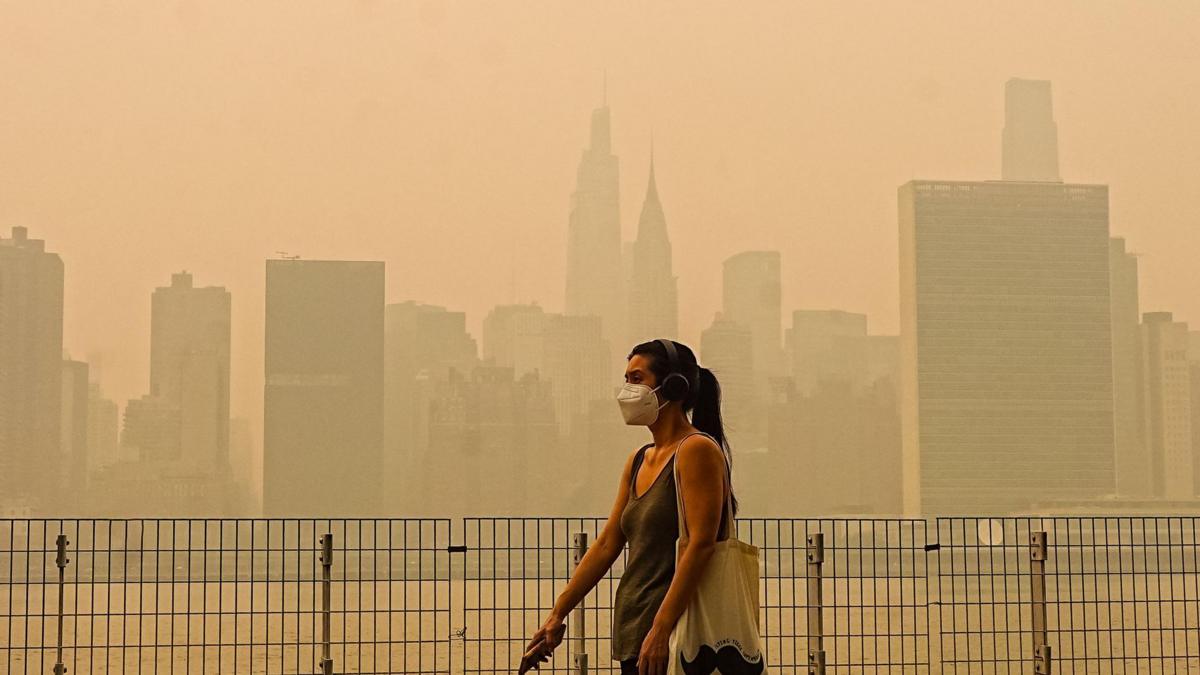
- Shady Lane Cellars general manager Kasey Wierzba said the 'pinky, peachy haze' that blanketed Suttons Bay vineyards last month spurred her to plan for future smoke events by sending grape samples to labs for testing.
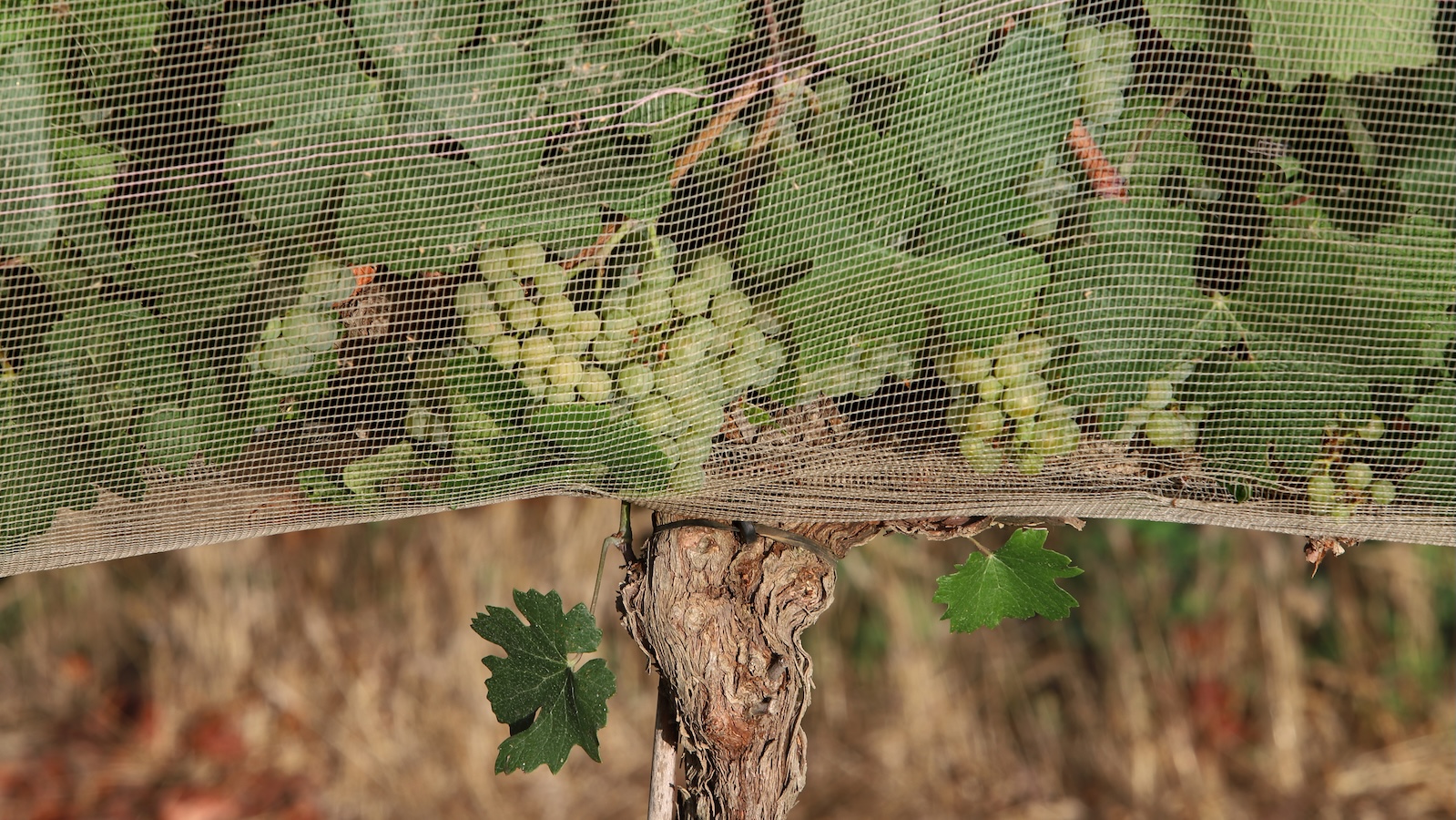
- Smoke taint — unwanted flavors described as barbecued food or burnt bacon — binds smoke compounds to grape skin and tissues, but the off-flavors typically only emerge during fermentation, making early-season detection nearly impossible, according to Michigan State University viticulture professor Paolo Sabbatini.
- Sabbatini received 10 calls from Michigan grape growers worried about smoke impacts, but said he's 'pretty confident' that exposure wasn't prolonged enough to affect grapes still in the early 'buckshot berry stage' of development.
- France's Bordeaux region has already felt the crisis acutely, with ongoing fires scorching more than 160 square miles of forest and pushing ash directly onto vineyards, according to Chateau Chantal winemaker Brian Hosmer.
- UC Davis department chair Ben Montpetit said there are no simple solutions to smoke taint — treatments to remove unwanted flavors risk degrading wine quality — while the latest U.S. farm bill draft includes directives for more research into wine grapes and wildfire smoke exposure.
Why it matters: Michigan's nearly $9 billion wine industry faces a compounding climate threat — early frosts, temperature swings, and now drifting wildfire smoke — with no proven treatment for smoke taint and federal research funding only beginning to flow. As one winemaker put it, 'It's farming. It's legalized gambling.'
Ask SkimNews