Food inflation has been tame recently. That might not last — SkimNews

Get the Finance newsletter
Daily finance — markets, central banks, M&A, the prints that move money. Free.
- Canadian food inflation slowed to 2.8% annually in August, the third straight monthly decline and the slowest pace since early 2024, per Statistics Canada consumer price data.
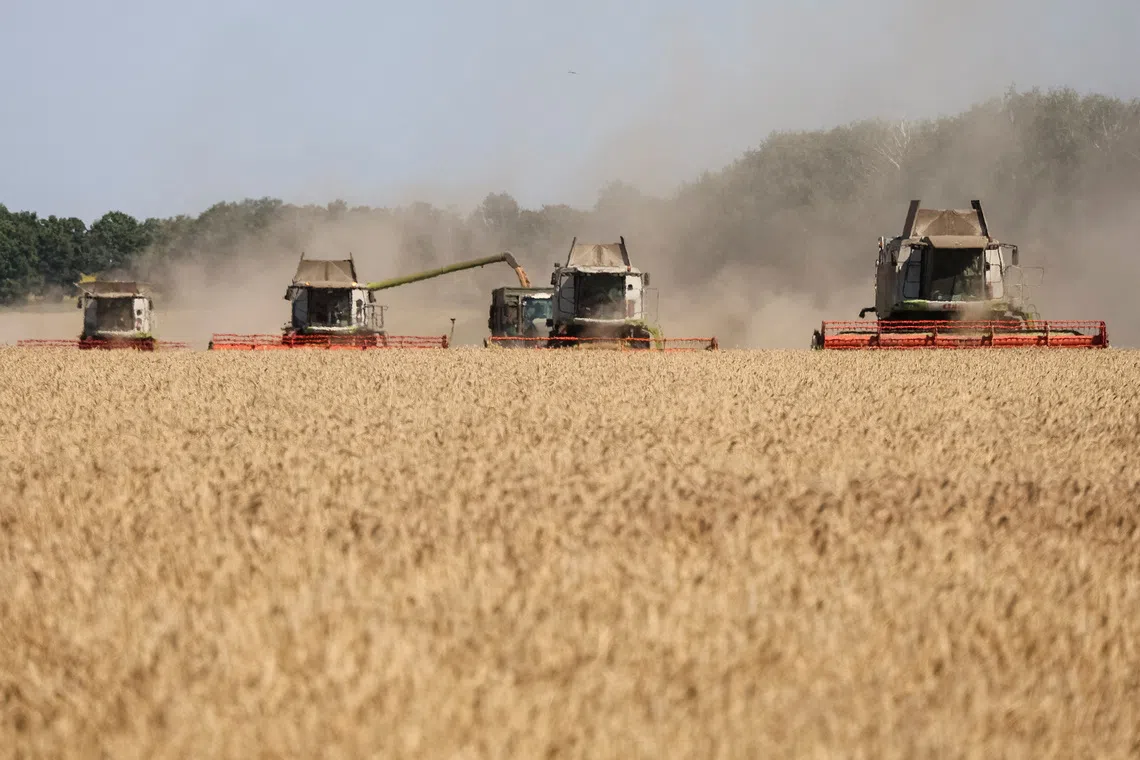
- Farm input costs soared more than 11% in the second quarter year-over-year, a rate exceeded only twice in 25 years: late 2008 (when inflation-adjusted oil prices peaked) and early 2022 (the post-Ukraine commodity surge).
- Diesel and fertilizer prices are the two largest cost drivers for farmers, and the article attributes both to fallout from U.S. President Donald Trump's war with Iran.
- Diesel prices are near their highest levels ever, compounding the pressure on farm operators with no relief visible in the latest data.
- Farm input costs historically foreshadow faster consumer food price inflation, but the article notes that link is currently weak — though Statscan's farm data only extends through Q2, meaning the real-time picture may be worse.
- Statistics Canada farm input data runs through the second quarter, representing a snapshot from several months ago rather than current conditions.
Why it matters: The gap between calm grocery prices (2.8%) and an 11% spike in farm inputs means Canadian consumers are likely facing a delayed bill — and with diesel near record highs and no Q3 data yet, the cost pressure on farmers has only intensified since Statscan last measured it.
Ask SkimNews