U.S. Waives Iran Oil Sanctions in 60-Day License — SkimNews

Get the Geopolitics newsletter
Daily geopolitics — wars, elections, sanctions, the diplomatic moves that move markets. Free.
- U.S. Treasury issued a 60-day general license on June 22 authorizing the sale of Iranian crude oil, petrochemicals, and petroleum products through Aug. 21, with Iran-origin oil importable into the U.S. when needed to complete delivery.
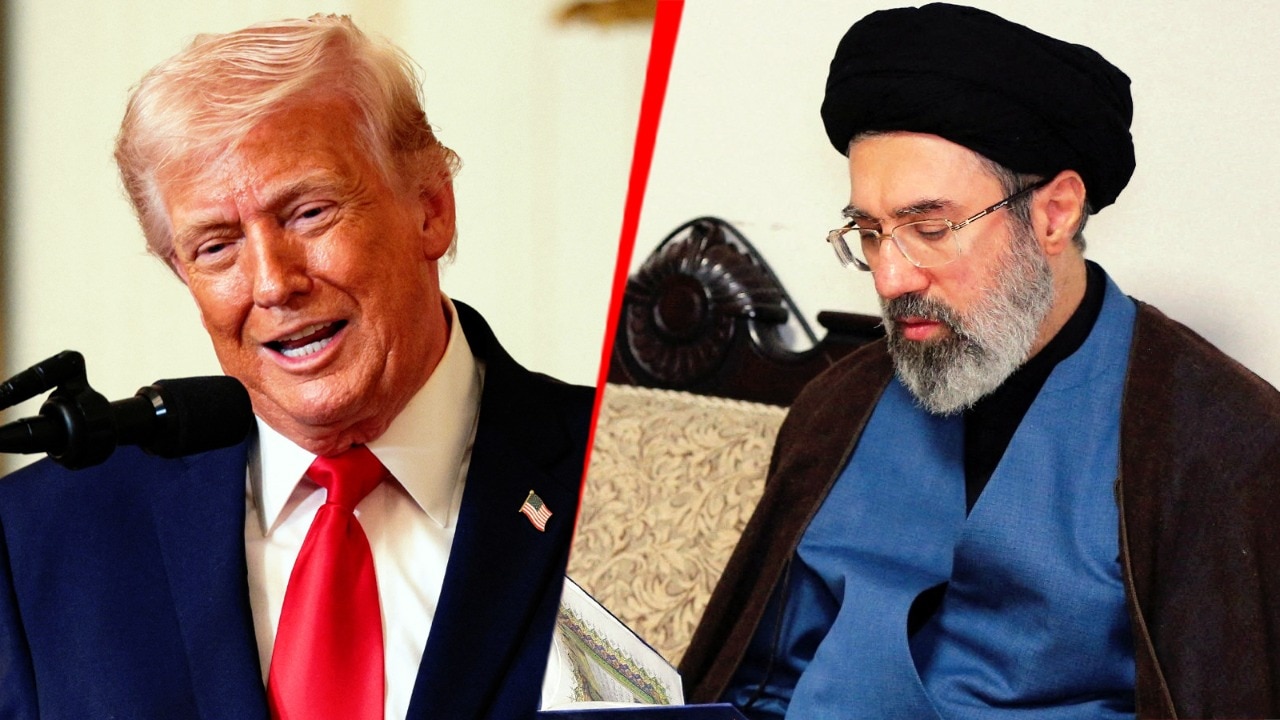
- Treasury Secretary Scott Bessent tied the waiver to Iran's commitments on free transit through the Strait of Hormuz and to permitting International Atomic Energy Agency inspectors, with talks continuing in Switzerland.
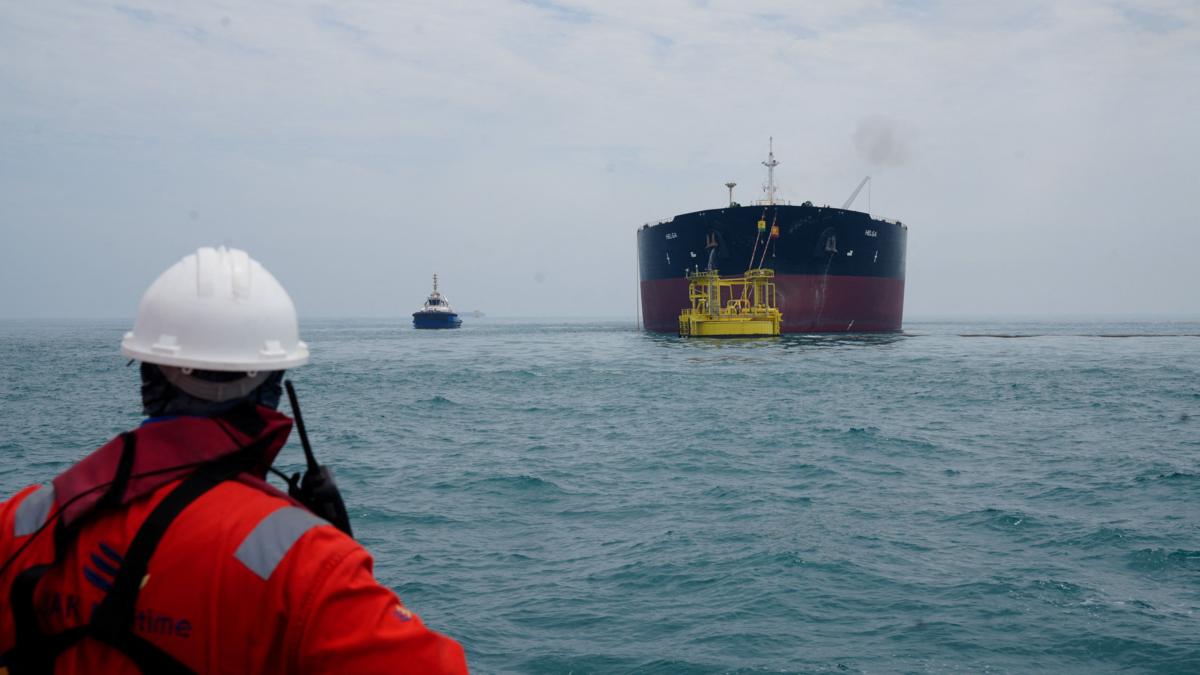
- Iran's blockade of the Strait of Hormuz had spiked oil prices and triggered a U.S. blockade of Iranian ports, but prices fell to their lowest level since before the Feb. 28 U.S.-Israeli attacks on Iran once the interim deal was reached.
- The license excludes Cuba, North Korea, and Crimea and permits payment to Iran in U.S. dollar-denominated funds — a reversal of measures the U.S. has maintained on Iranian oil since the 1979 revolution.
- Mediators said Washington and Tehran made "encouraging progress" at the first round of talks aimed at a final peace deal, building on a memorandum of understanding signed last week that extended a tenuous April ceasefire by 60 days.
- Chinese independent refiners have been the primary buyers of sanctioned Iranian oil, exploiting deep discounts; India, South Korea, Japan, Italy, Greece, Taiwan, and Turkey were also major buyers before the 2018 sanctions reimposition.
Why it matters: The U.S. has not meaningfully imported Iranian oil since 1979, so this 60-day waiver is a historic reversal that gives Tehran a revenue channel in exchange for keeping the Strait of Hormuz open and admitting IAEA inspectors — a concrete concession exchange in the push toward a final peace deal, with oil prices already falling to their lowest since before the Feb. 28 war.
Ask SkimNews