UK's Best Eclipse Since 1999 Hits Wednesday Evening — SkimNews
Get the Health newsletter
Daily health & science — research, biotech, public health, the studies worth knowing. Free.
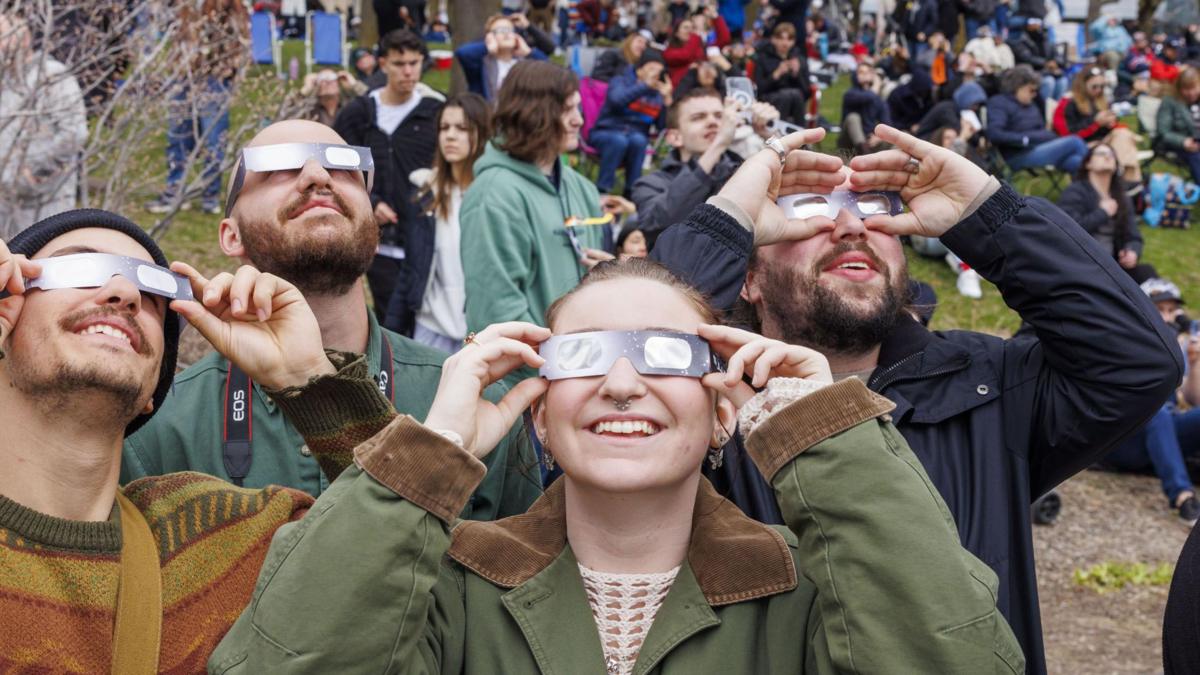
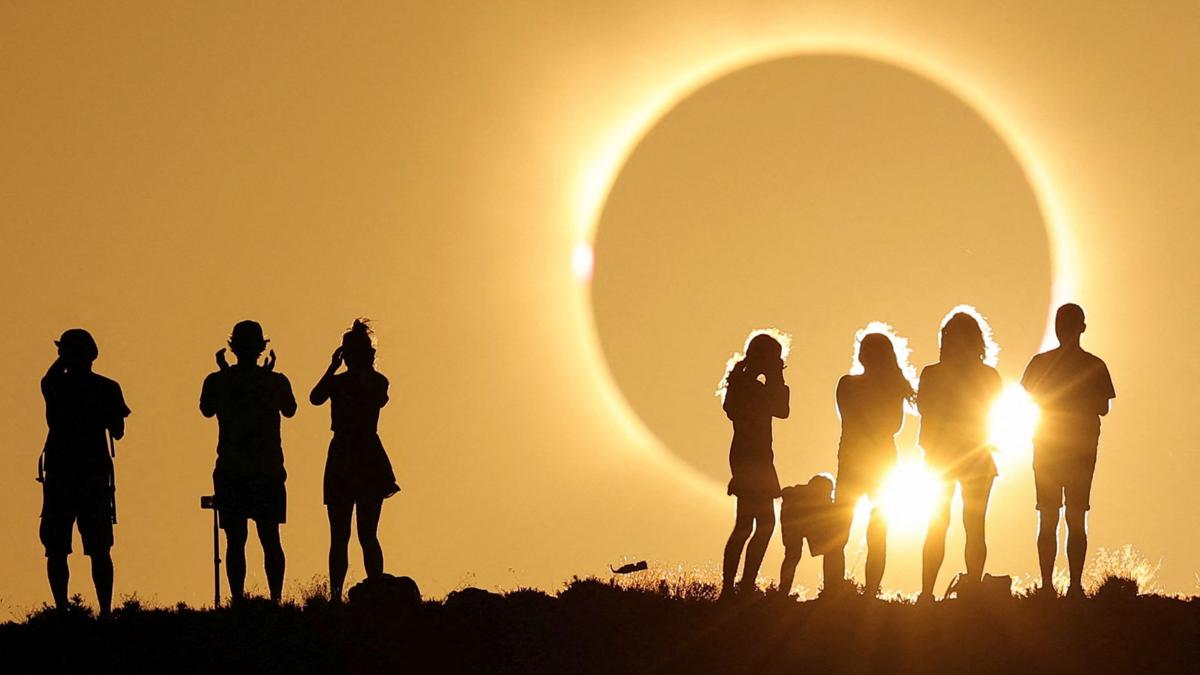
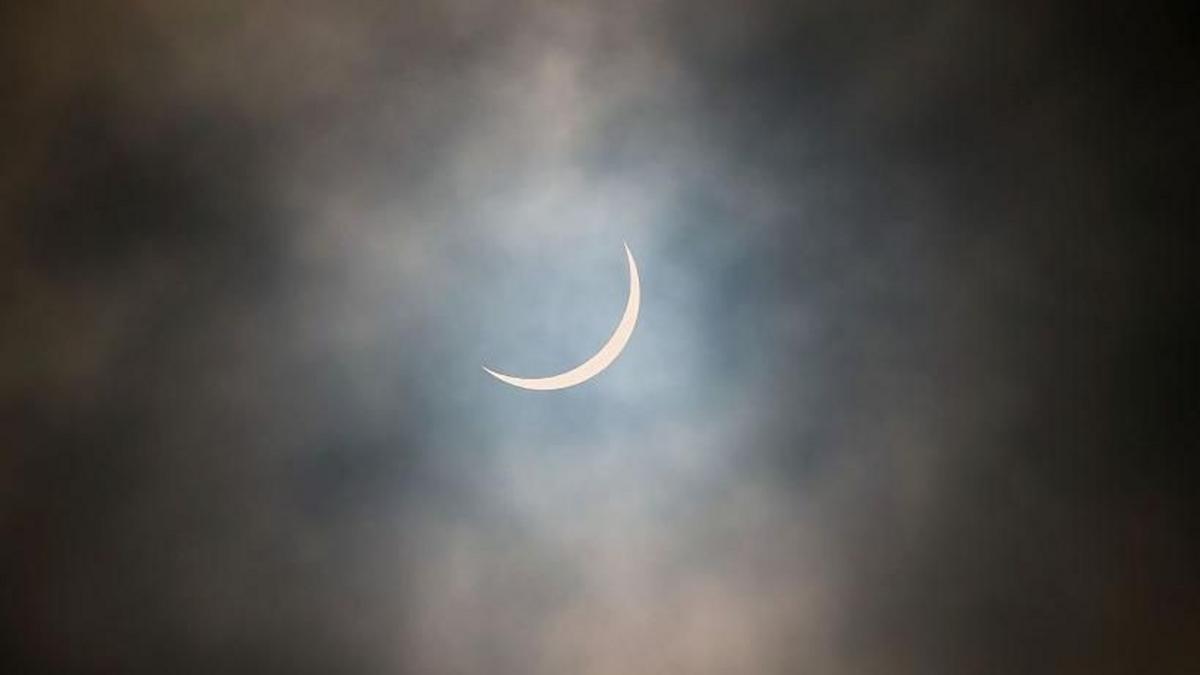
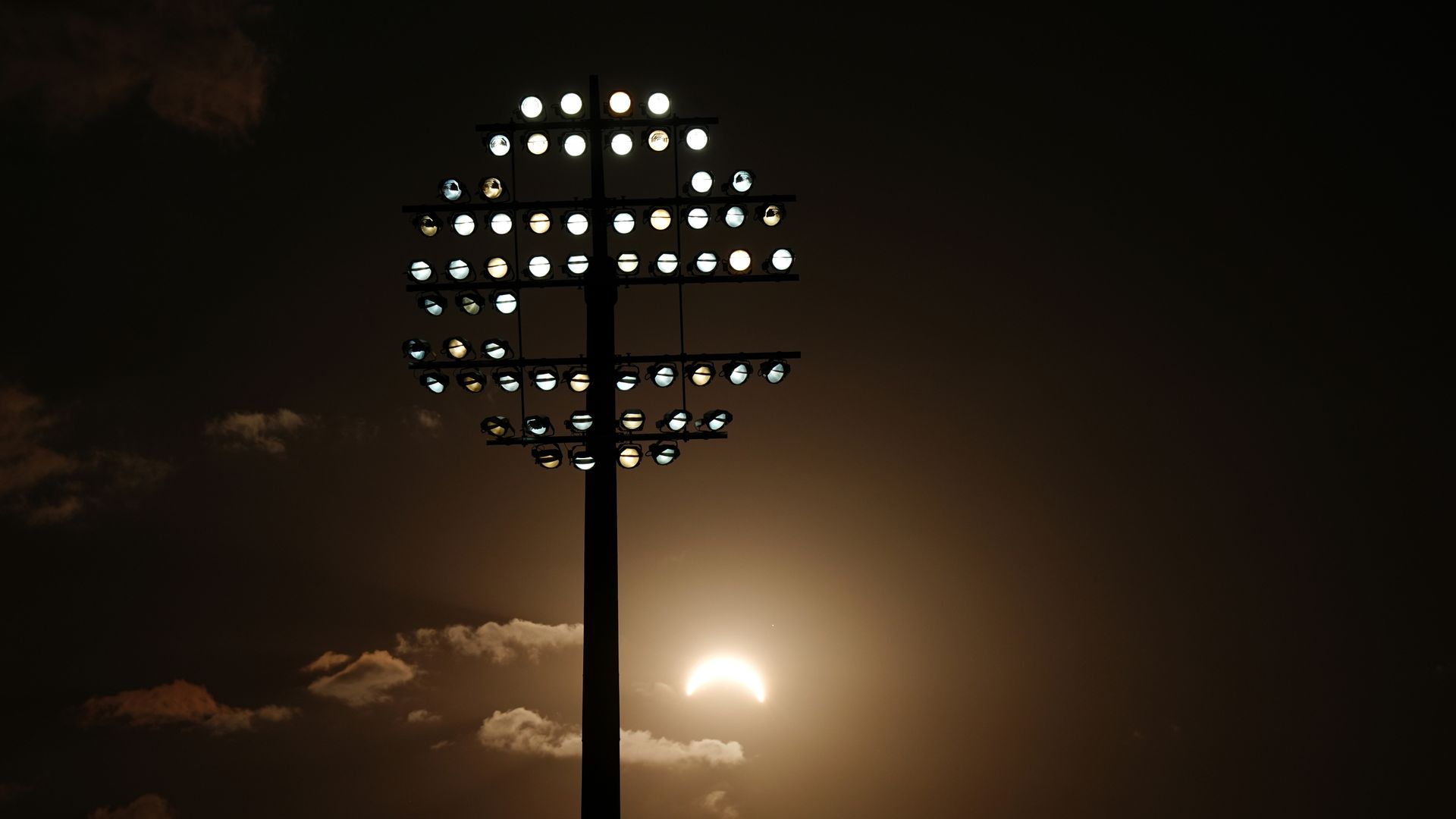
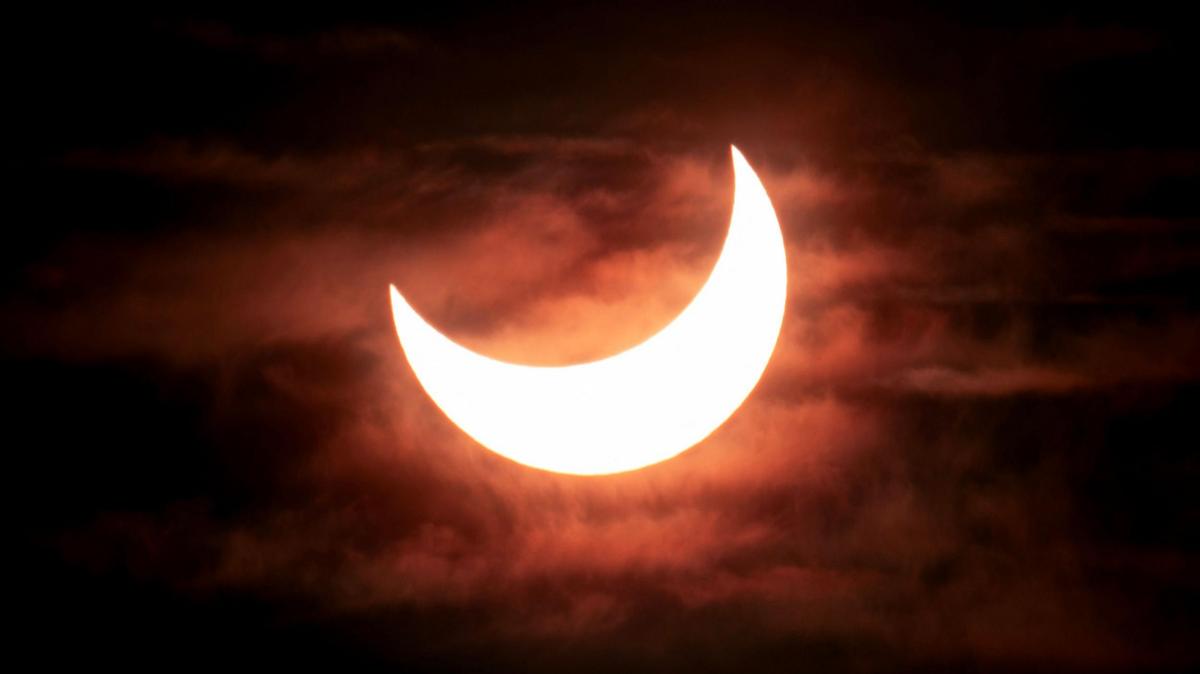
- The UK will see its best partial solar eclipse since 1999 on Wednesday evening, with up to 96% of the Sun obscured by the Moon between 18:58 and 19:15 BST depending on location
- Devon, Cornwall, and western Pembrokeshire will see the deepest coverage at 94–96%, while the rest of Wales, Northern Ireland, parts of the West Midlands and South West, and western Scotland can expect 92–94% coverage
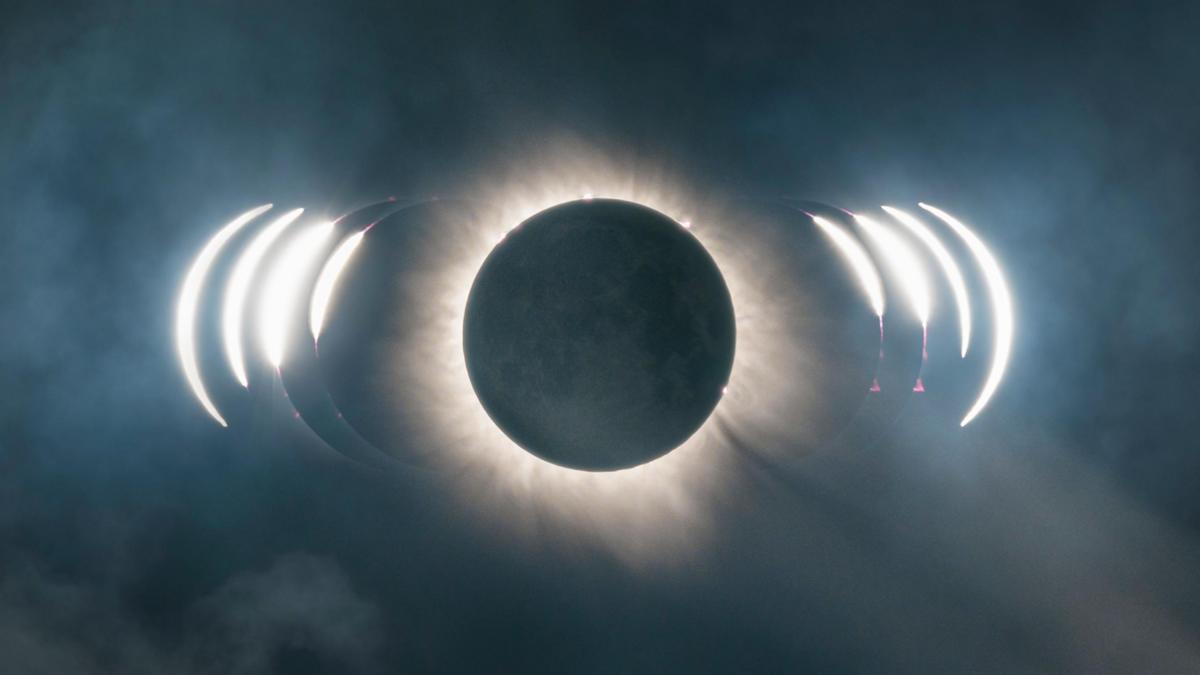
- Northern Spain lies in the path of totality with half a million visitors expected according to Spain's finance ministry; Bilbao, Valencia, and Palma de Mallorca are forecast for clear skies while Barcelona and Madrid will see more than 99% coverage
- The total eclipse will also be visible in Russia, Greenland, Iceland, and Portugal, peaking between 20:26 and 20:33 local time, with totality lasting roughly 1 minute 40 seconds in Spain
- The British Isles will not see a comparable eclipse until 2081, and the next total solar eclipse visible in the UK is not until 2090
- Cloud cover threatens viewing across north Wales, northern England, Scotland, and Northern Ireland, with outbreaks of rain possible in western Scotland and parts of Northern Ireland between 18:00 and 19:00
- The Perseid meteor shower also peaks Wednesday evening but sightings will only be possible in total eclipse zones like Spain; Royal Astronomical Society's Dr Becky Smethurst said chances are 'extremely slim' even there
Why it matters: British skywatchers get their deepest partial eclipse since 1999 — and won't see another this deep until 2081 — while Spain's narrow path of totality has drawn an estimated 500,000 visitors for roughly 1 minute 40 seconds of darkness. Weather may decide who actually sees it: clear skies favor Bilbao and Valencia, but cloud threatens Scotland and Northern Ireland.
Ask SkimNews