GM, Peak Energy Partner on Sodium-Ion Grid Batteries — SkimNews
Get the Energy newsletter
Daily energy & climate — solar, EVs, oil, the policy fights and tech bets shaping the transition. Free.
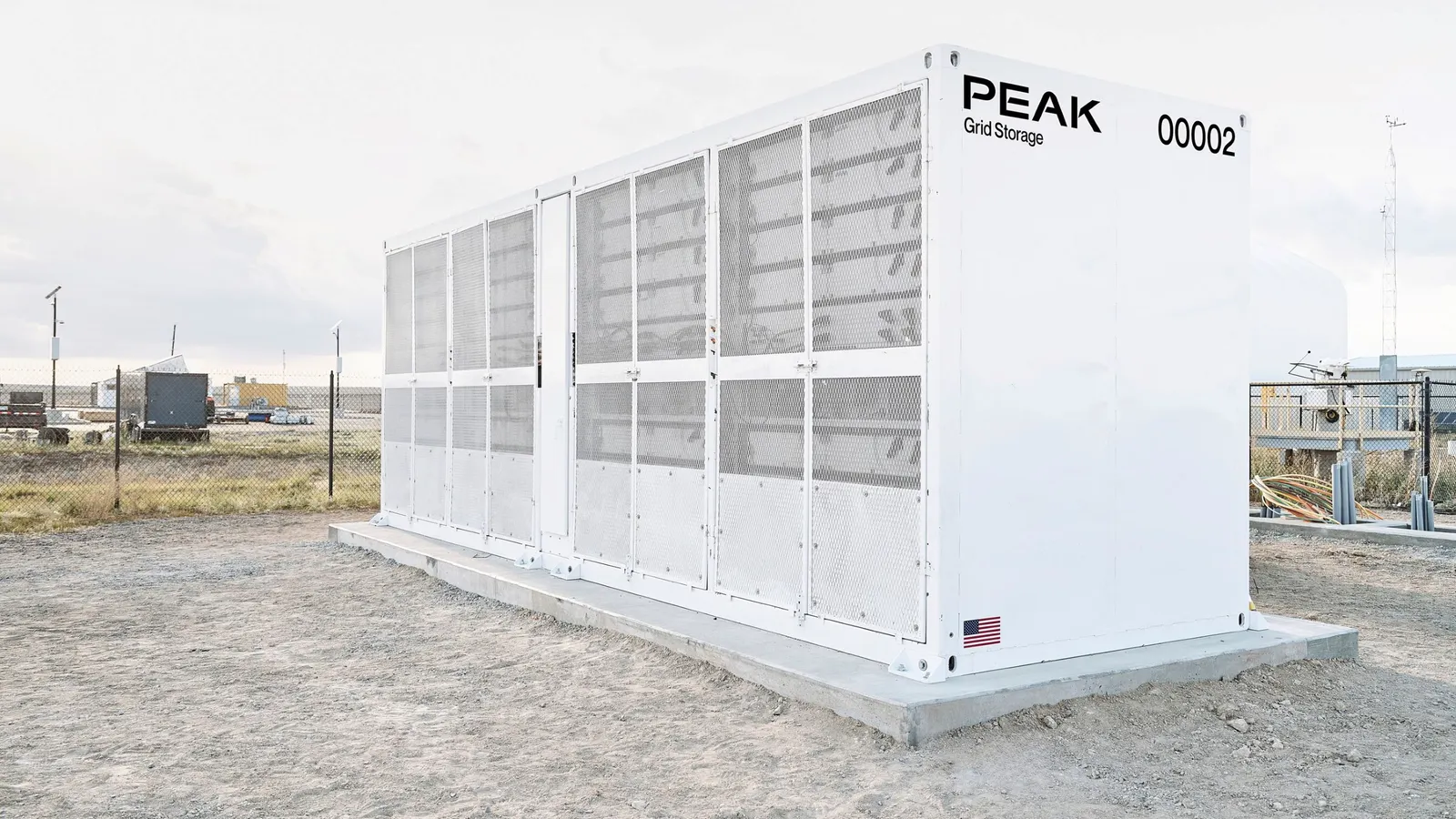
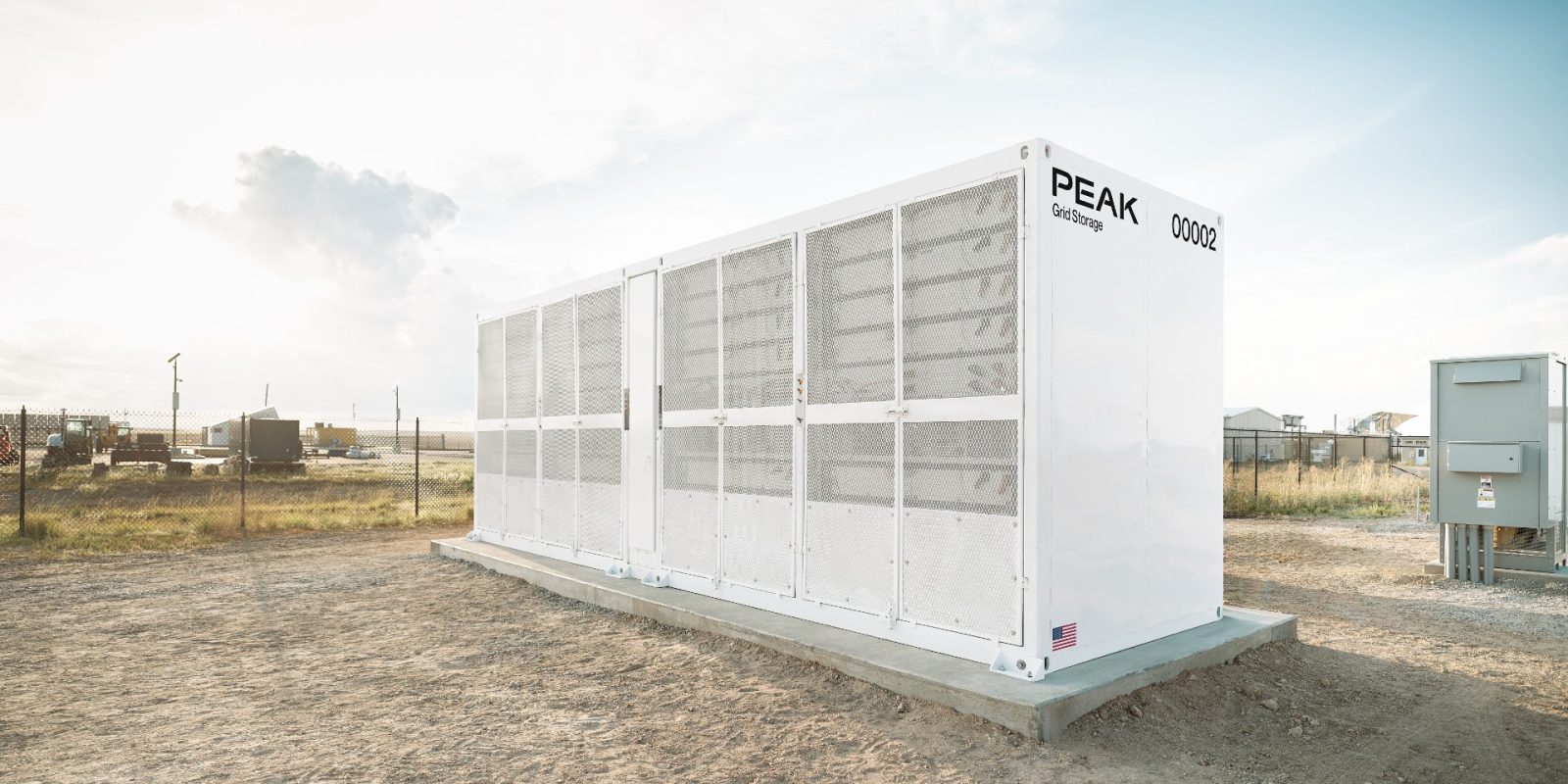
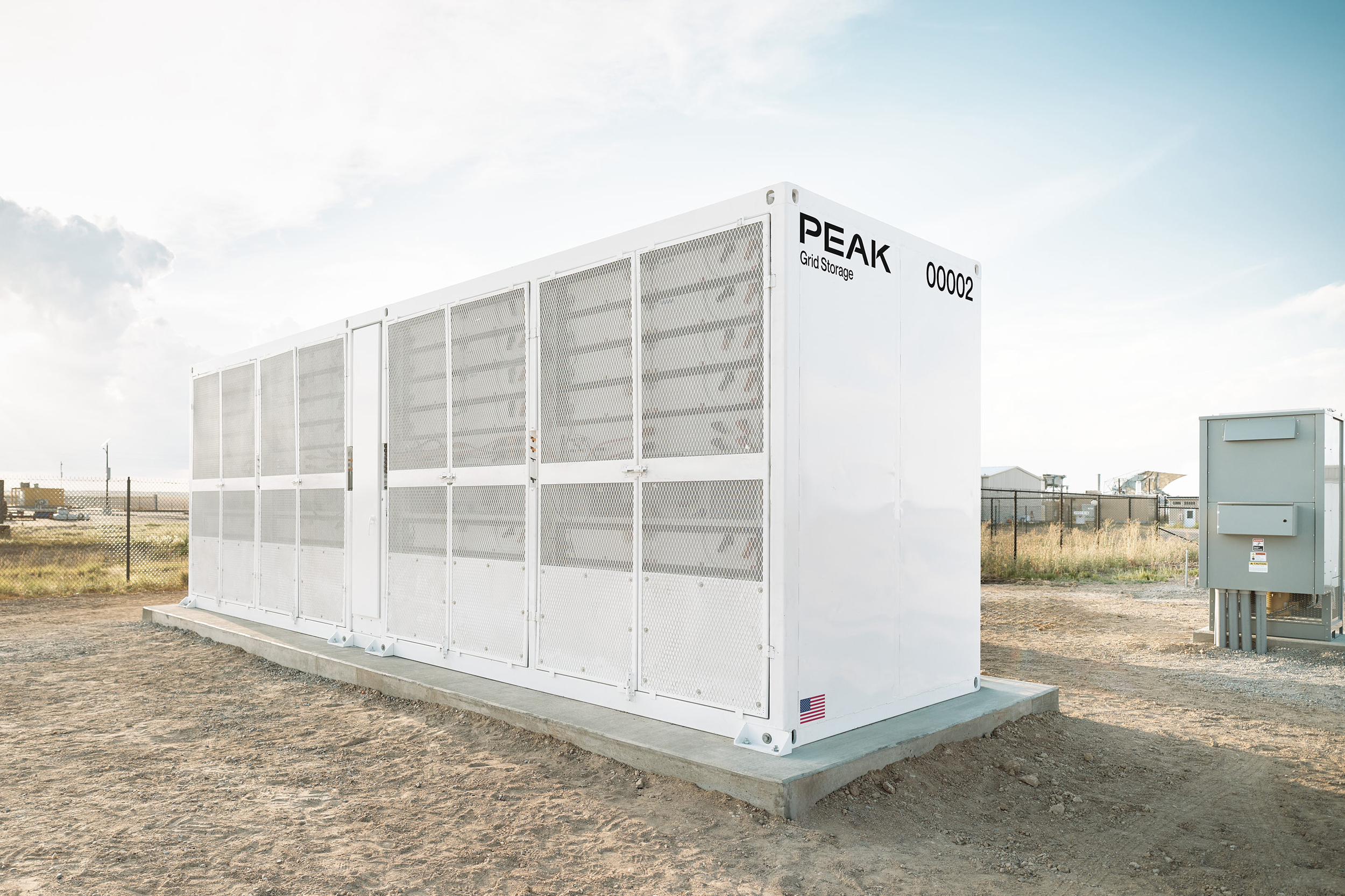
- Peak Energy announced a partnership with General Motors to manufacture sodium-ion batteries for grid-scale energy storage, with GM doing development work at its Michigan battery lab and Peak using the cells in its storage systems.
- Sodium-ion batteries use sodium (an abundant element found in table salt) instead of lithium, offering much lower fire risk but lower energy density; they currently cost more than lithium-ion but are expected to become cheaper as production scales.
- Peak Energy, founded in 2023 in Burlingame, California, by Landon Mossberg (ex-Northvolt, ex-Tesla) and Cameron Dales (ex-Enovix), has about 125 employees, a cell engineering center in Broomfield, Colorado, and demonstrated a 3.1-megawatt-hour battery in the Denver area last year.
- CATL of China leads global sodium-ion development, with China's market share at 1% and projected to reach 3.4% by 2030, while North America's share is essentially zero and will stay under 1% in 2030, according to Benchmark Mineral Intelligence analyst Anya Sidhu.
- Natron Energy, a U.S. sodium-ion peer with about 100 employees in California and Michigan, abruptly shut down last year after its funding dried up—a cautionary tale for the emerging sector.
- GM is one of several automakers expanding into stationary energy storage, partly because their battery manufacturing capacity now exceeds current EV demand.
Why it matters: This is one of the first major U.S. commercial pushes for sodium-ion in grid storage, giving GM a new outlet for battery capacity that outstrips EV demand. But the technology remains a rounding error—North America's sodium-ion market share will stay under 1% through 2030—and the sector has already seen one U.S. player, Natron Energy, collapse when funding ran out.
Ask SkimNews