BYD unveils flagship 600 km electric truck with 1.5 MW charging — SkimNews
Get the Energy newsletter
Daily energy & climate — solar, EVs, oil, the policy fights and tech bets shaping the transition. Free.
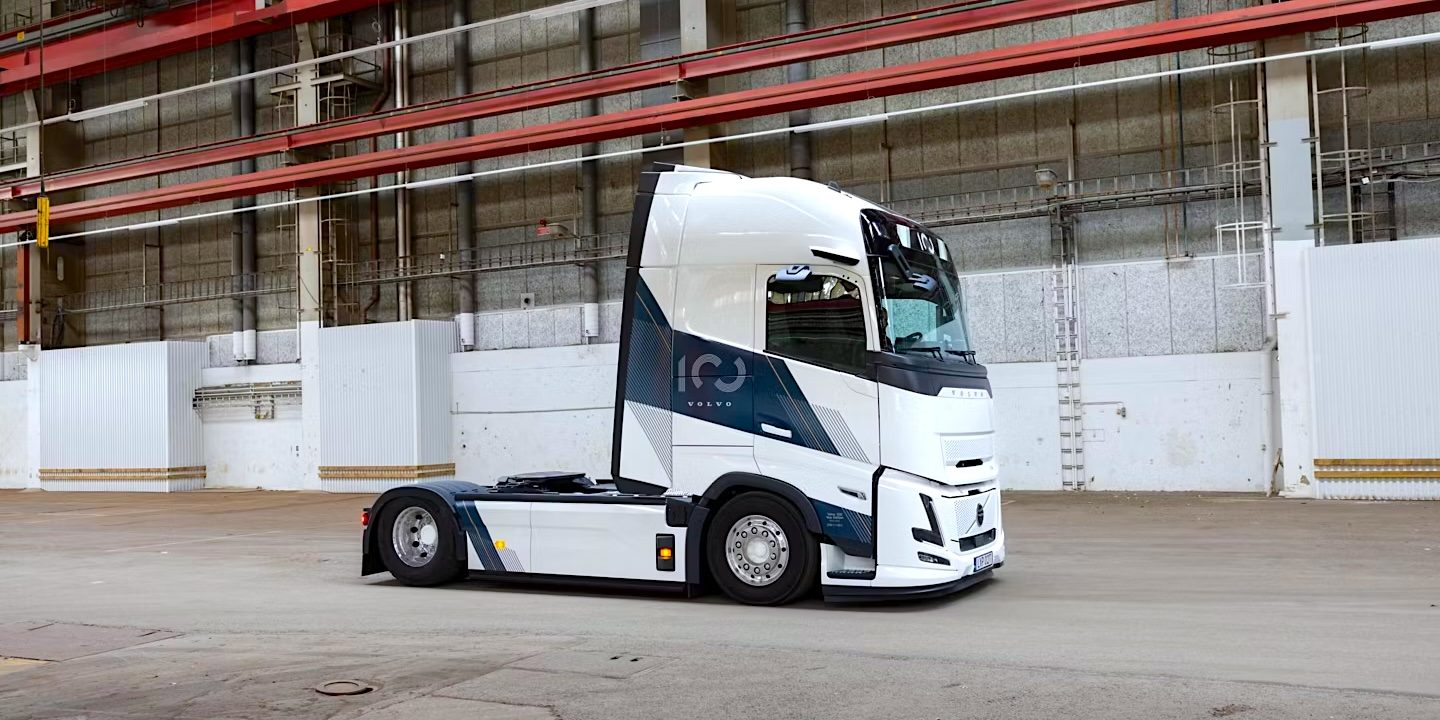
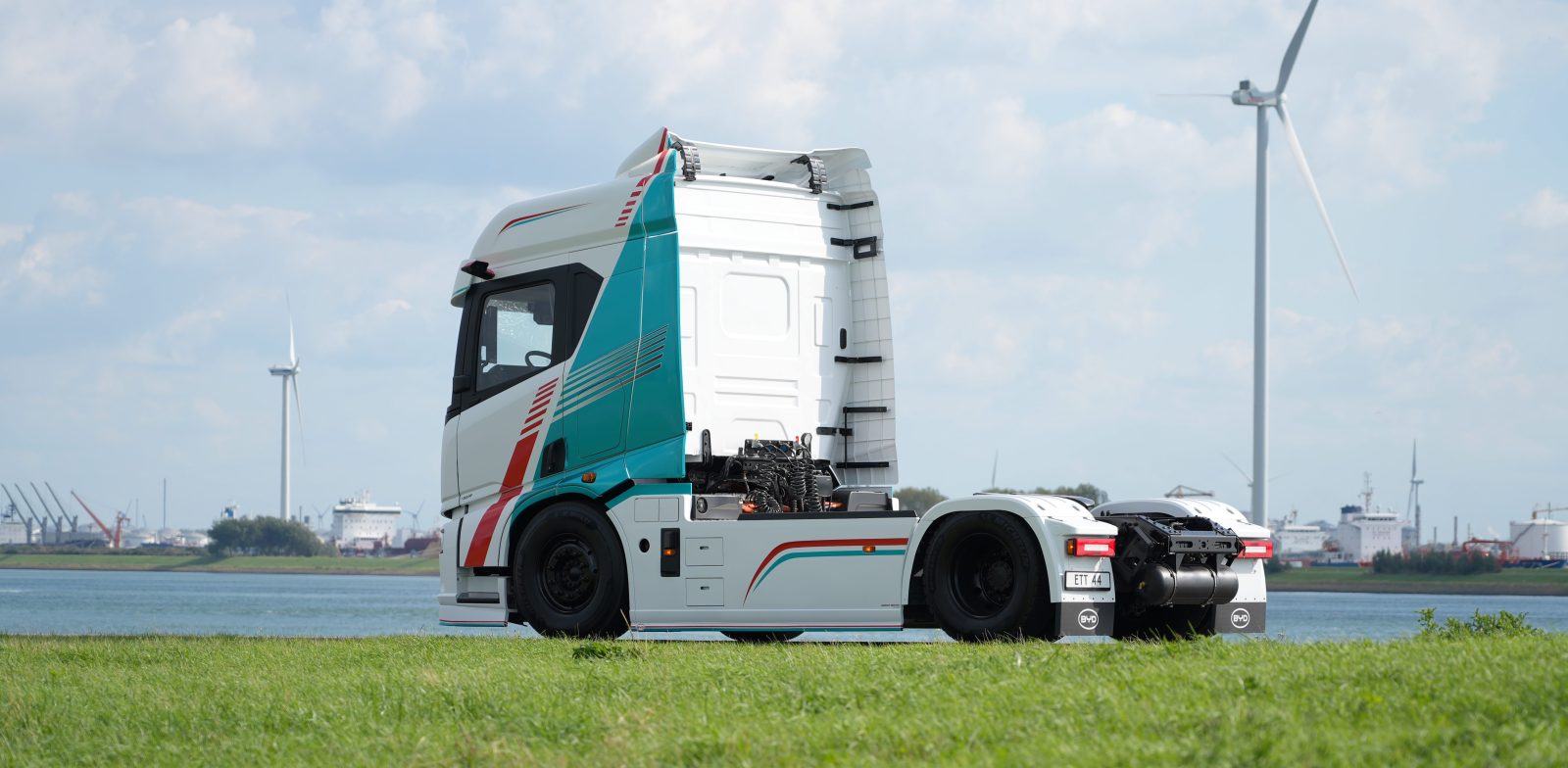
- BYD unveiled the ETT 44, a 4×2 heavy-duty electric tractor at IAA Transportation 2026 in Hannover, with 600 km of range, a 651 kWh Blade Battery on 851V architecture, 743 PS rated / 1,000 PS peak power, and a 10-year or 1.2-million-km battery warranty.
- The ETT 44 charges at 1.5 MW+ on BYD's Megawatt Charging System, hitting 20% to 80% in roughly 20 minutes (adding up to 248 miles); on a standard CCS2 charger it pulls 420 kW and reaches 20-80% in about an hour.
- BYD showed a full portfolio beyond the flagship: rigid 4×2 and 6×2 trucks (including 26-tonne swap body and hooklift versions), the E-Vali light commercial van, and the EYT 2.0 electric yard tractor, spanning 3.5 to 44 tonnes.
- BYD is packaging vehicles with Blade batteries, megawatt chargers, stationary storage, energy management, and financing into a 'Total Cost of Mobility' model, with commercial vehicles already operating in 100+ countries and 400+ cities.
- BYD competes against Daimler Truck's eActros 600, Volvo's FH Electric, Scania, and MAN in Europe's electric heavy-truck segment, matching or beating their headline specs on paper — and has installed 10,000 of its 1,500 kW megawatt chargers in five months with a commitment to 15,000 across China.
- Stella Li, BYD's Executive Vice President, positioned the launch as extending BYD's passenger-car 'Flash Charging' pitch to commercial vehicles: 'Less time charging. More time on the road.'
- The EU has already imposed tariffs on Chinese EVs, and a Chinese company selling both freight vehicles and the charging backbone underneath them is the kind of dependence Brussels has been trying to avoid — leaving regulatory access, not specs, as the open question for European fleet buyers.
Why it matters: For Europe's fleet operators, BYD's ETT 44 offers truck-and-charger integration that Daimler, Volvo, Scania, and MAN can't match — 10,000 of its 1.5 MW chargers were installed in five months. The question is whether Brussels lets them in: EU tariffs on Chinese EVs and Brussels' stated concern about infrastructure dependence put regulatory approval ahead of the technology race.
Ask SkimNews