Aging Brain Shifts From Memory to Meaning — SkimNews

Get the Health newsletter
Daily health & science — research, biotech, public health, the studies worth knowing. Free.
- University of Arizona researchers propose the 'adaptive aging hypothesis,' arguing that cognitive changes in older adults reflect a natural developmental shift rather than mere deterioration.
- Fabian-Xosé Fernandez states the older brain is optimized for sharing stored expertise and maintaining social relationships, not for hippocampal-centric detail recall.
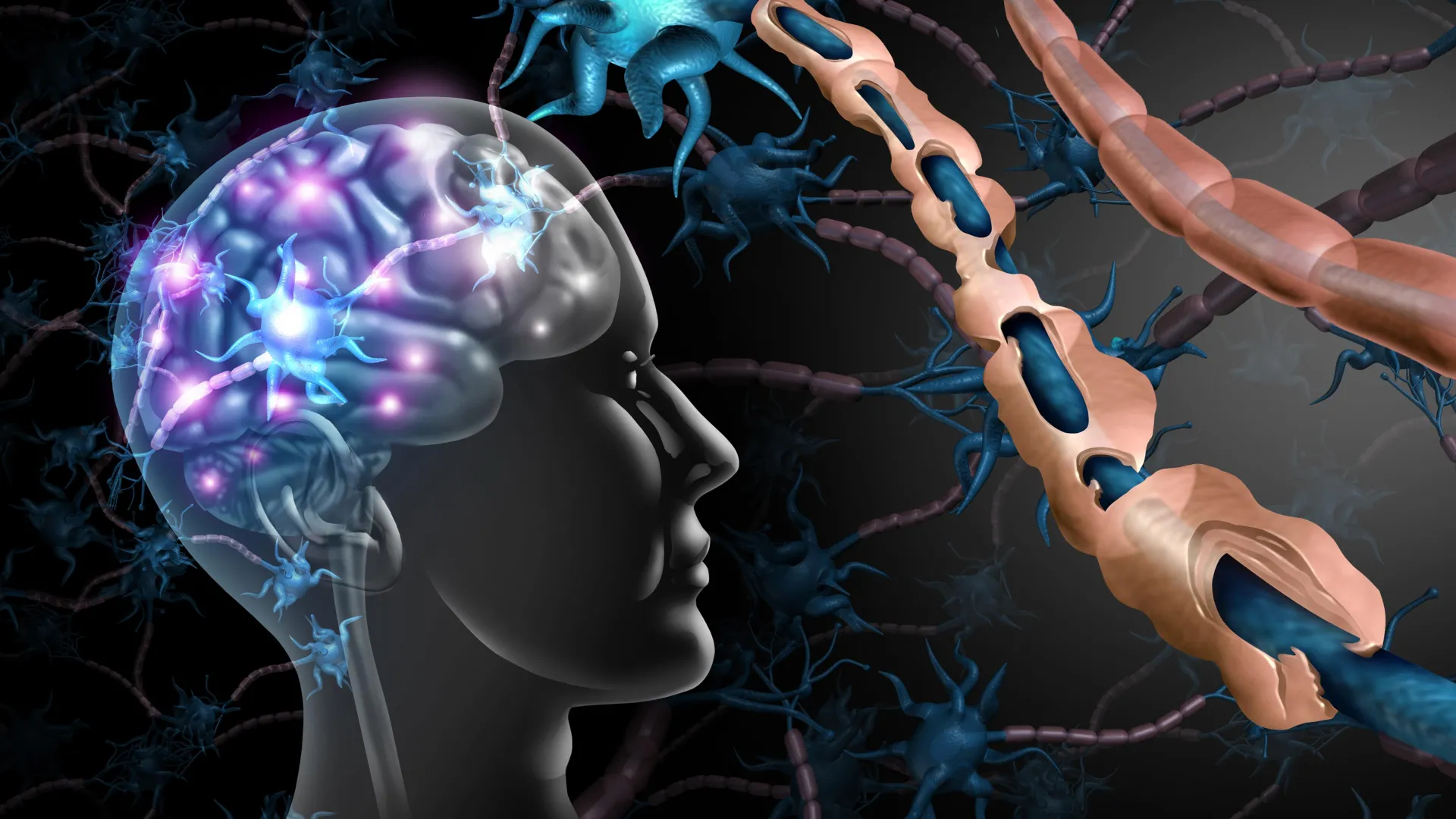
- The hippocampus shows reduced emphasis in healthy aging, while the frontal cortex becomes more dominant, supporting gist extraction over precise memory.
- Animal models show similar brain shifts with age, suggesting an evolutionary basis for the transition toward wisdom and knowledge transmission.
- Alzheimer’s disease differs fundamentally from normal aging, with abnormal hippocampal hyperactivity disrupting the brain’s natural developmental trajectory.
- Semantic and autobiographical memory are prioritized in normative aging, aligning with older adults’ roles in mentoring, storytelling, and intergenerational knowledge sharing.
Why it matters: This reframing shifts how society values older adults’ cognitive contributions—prioritizing wisdom over memory accuracy—and could improve early detection of Alzheimer’s by distinguishing pathological changes from healthy adaptation. Misunderstanding normal aging risks misdiagnosis and underutilization of older adults’ expertise.
Ask SkimNews