Older Brains Trade Memory for Meaning, Study Finds — SkimNews
Get the Health newsletter
Daily health & science — research, biotech, public health, the studies worth knowing. Free.
- University of Arizona researchers proposed the "adaptive aging hypothesis" in Perspectives on Psychological Science, arguing that cognitive changes in older adults reflect a natural rebalancing rather than deterioration.
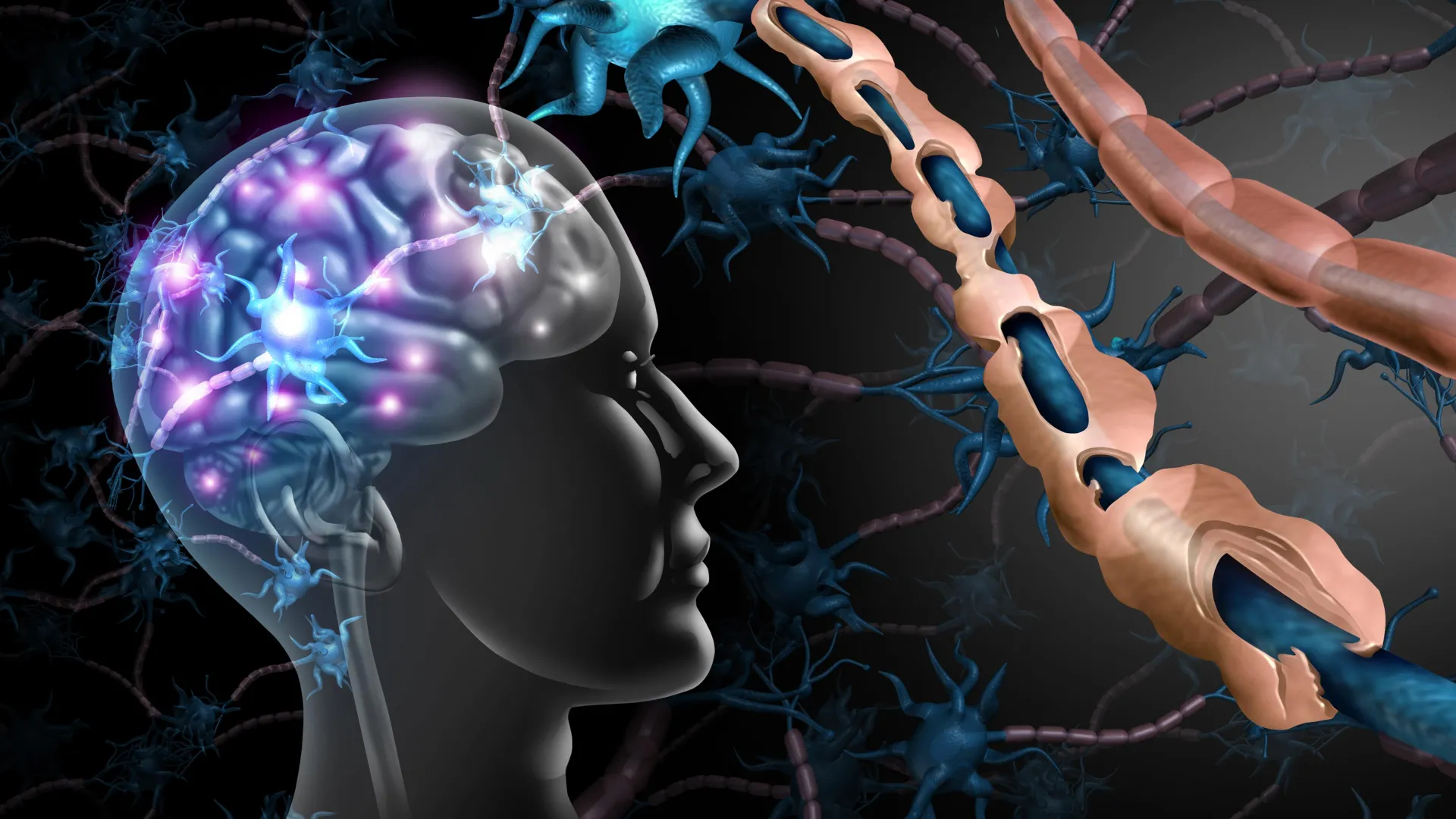
- The framework posits that older brains shift reliance from the hippocampus — which preserves specific event details — to the frontal cortex, which extracts broader meaning and patterns from experience.
- The transition typically unfolds between a person's fifth and seventh decades of life, and similar patterns in animal models suggest an evolutionary driving force, according to the researchers.
- Study coauthor Fabian-Xosé Fernandez, an associate professor of cognition and neural systems, said the older brain is "optimized for different things than the younger brain, predominantly the sharing of stored expertise and social relationships."
- The hypothesis explicitly separates normal aging from Alzheimer's disease, where Fernandez said amyloid and tau proteins disrupt the transition and produce hyperactive hippocampal activity — calling the two "completely different" biological processes.
- Fernandez argued that society "doesn't do a good job of unlocking" the value of decades of accumulated experience, suggesting the framework should reshape mentorship, teaching, and intergenerational knowledge transfer.
Why it matters: If the adaptive aging hypothesis holds, it reframes how families, employers, and clinicians evaluate older adults — prioritizing mentorship and judgment over hippocampus-heavy tasks and steering researchers away from conflating normal aging with Alzheimer's. Fernandez's Alzheimer's distinction (hyperactive hippocampus driven by amyloid and tau) gives drug researchers a specific biological line not to cross in future trials.
Ask SkimNews