Bitcoin Drops to $76,923 as Hormuz Crisis Lifts Oil — SkimNews
Get the Finance newsletter
Daily finance — markets, central banks, M&A, the prints that move money. Free.
- Bitcoin traded at $76,923 on Tuesday morning, down 2.4% over 24 hours, after failing to hold above $79,400 the prior day, with the entire top 10 closing red except for TRON and DOGE.
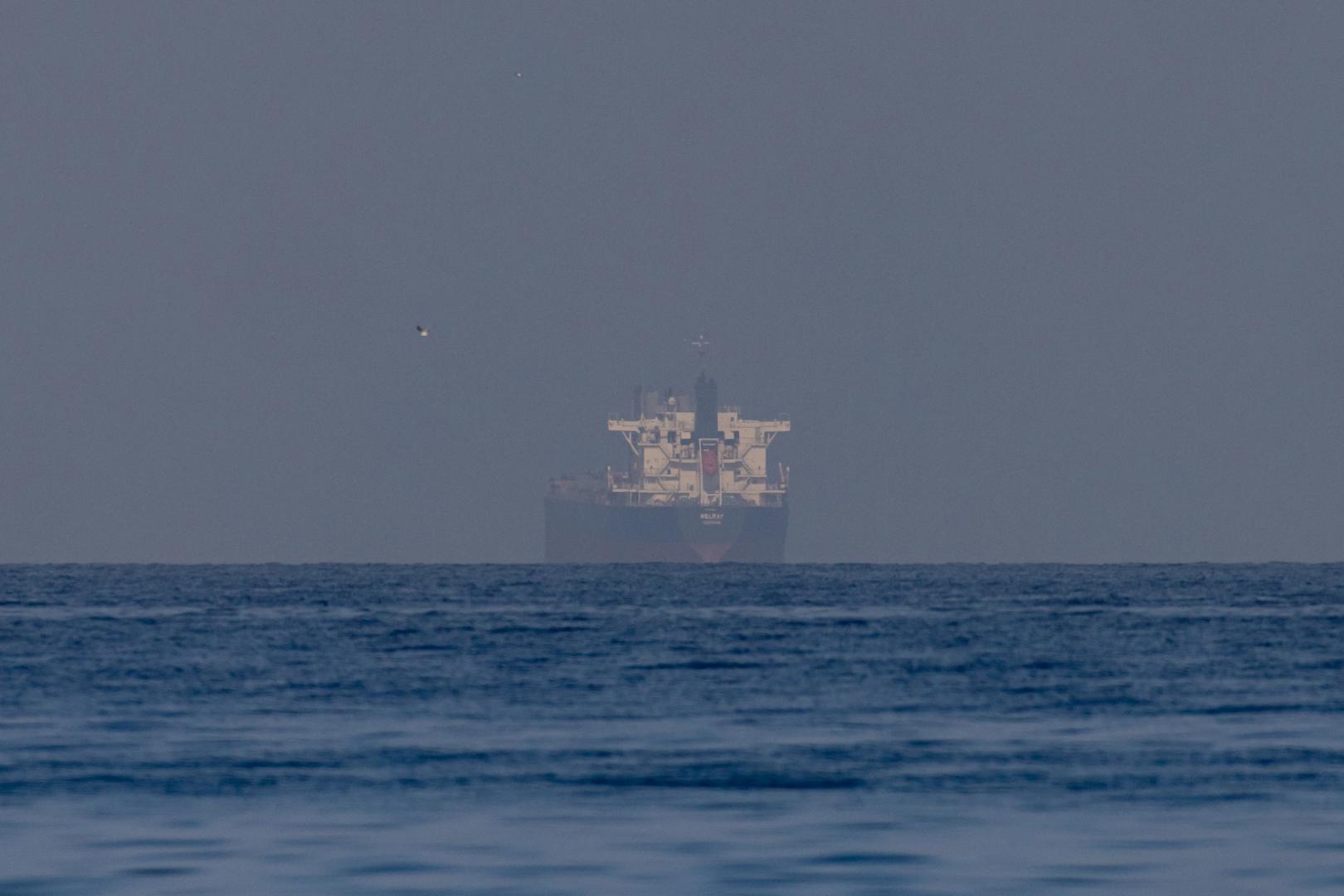
- Brent crude rose 1% above $109 a barrel, extending its rally to a seventh consecutive day, after Iran's interim deal to reopen the Strait of Hormuz failed to advance; the White House maintained 'red lines' on any deal to end the eight-week war.
- Galaxy Digital's Mike Novogratz said returning U.S. retail demand, institutional capital, and limited supply create the foundation for further upside, citing whale accumulation of more than 40,000 BTC over two weeks per Santiment.
- CryptoQuant founder Ki Young-Ju countered that bitcoin's push above $79,000 was driven primarily by a derivatives short squeeze, with perpetual futures funding rates remaining negative at -0.13% per Coinglass — a pattern that historically precedes both squeezes and their unwinding.
- Strategy bought $3.9 billion of bitcoin in April per Bloomberg, the firm's largest monthly accumulation in a year, while Japan's Metaplanet announced a $50 million yen-denominated bond issuance Tuesday to fund further purchases.
- Federal Reserve policy decision Wednesday and megacap tech earnings from Alphabet, Microsoft, Amazon, and Meta (Wednesday) and Apple (Thursday) could push bitcoin decisively past $80,000, or cement the repeated $79,000 rejections as a durable range top.
Why it matters: Bitcoin has now tested the $79,000 level three times in eight sessions without breaking through, and the next move hinges on Wednesday's Fed decision and megacap earnings representing roughly a quarter of the S&P 500. Corporate accumulators are decoupling from price action — Strategy's $3.9 billion April haul is its largest in a year — while the derivatives market's persistent negative funding signals that shorts remain vulnerable to another squeeze if fresh spot demand materializes.
Ask SkimNews