Most Don't Link Extreme Weather to Climate Change — SkimNews
Get the Energy newsletter
Daily energy & climate — solar, EVs, oil, the policy fights and tech bets shaping the transition. Free.
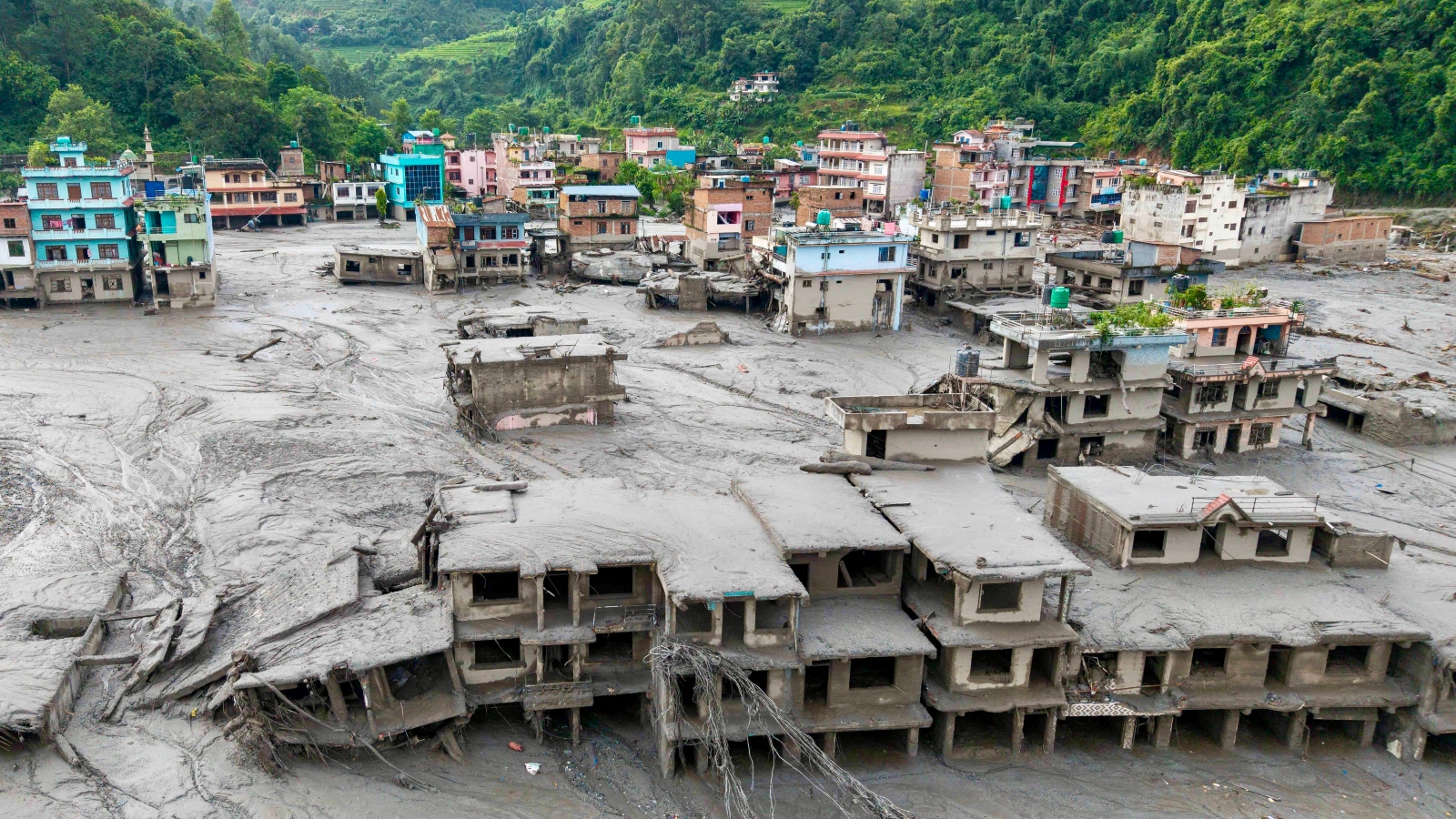
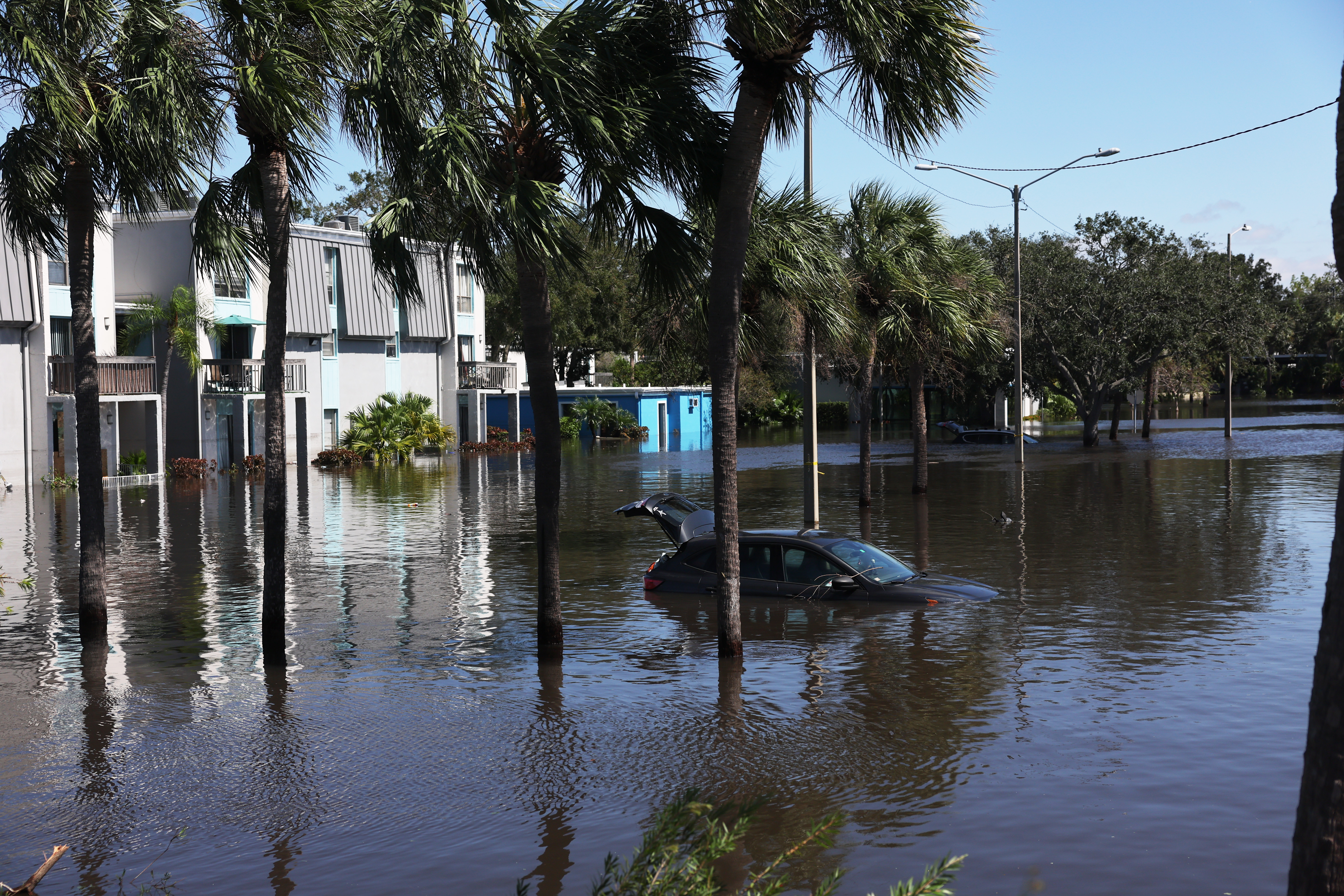
- Nepal floods and global extremes at the end of August killed more than 1,300 people after a glacier collapse triggered a debris flow, capping a summer that also saw deadly heat waves across the U.S. and Europe and drought-fueled wildfires in the western U.S.
- Anthony Leiserowitz, director of the Yale Program on Climate Change Communication, told Inside Climate News that most people do not automatically connect a flood, heat wave, or wildfire to climate change, calling it "still a relatively abstract idea for many, many people."
- A 2019 study analyzed 73 papers on the relationship between climate change experiences and public opinion, finding mixed results and concluding that differing methodologies make direct comparisons across studies difficult.
- A 2024 study found that wildfires were the only type of climate-fueled weather event to produce a small but significant effect on individuals acknowledging global warming and supporting action, though that effect was short-lived.
- Research co-authored by Leiserowitz showed that exposure to hot, dry days significantly increases Americans' perception of having personally experienced global warming, while heavier rainfall did not produce the same climate connection.
- The University of Colorado Boulder's Media and Climate Change Observatory found global news coverage of climate change has fallen 38 percent since its peak in 2021, with outlets like The Washington Post and NPR downsizing their climate reporting teams, potentially to avoid "climate fatigue."
- Leiserowitz framed extreme weather as a "teachable moment," warning that without media coverage helping audiences connect the dots, people cannot prepare for or adapt to worsening climate impacts.
Why it matters: With extreme weather intensifying and global climate journalism shrinking 38 percent since 2021, the public may remain unprepared for the escalating risks already hitting their communities. Leiserowitz's research shows that when people do make the connection, it can prime future action — meaning the coverage gap directly translates into a preparedness gap.
Ask SkimNews