Pakistan invites Iran's FM as mediation collapses repeatedly — SkimNews

Get the Geopolitics newsletter
Daily geopolitics — wars, elections, sanctions, the diplomatic moves that move markets. Free.
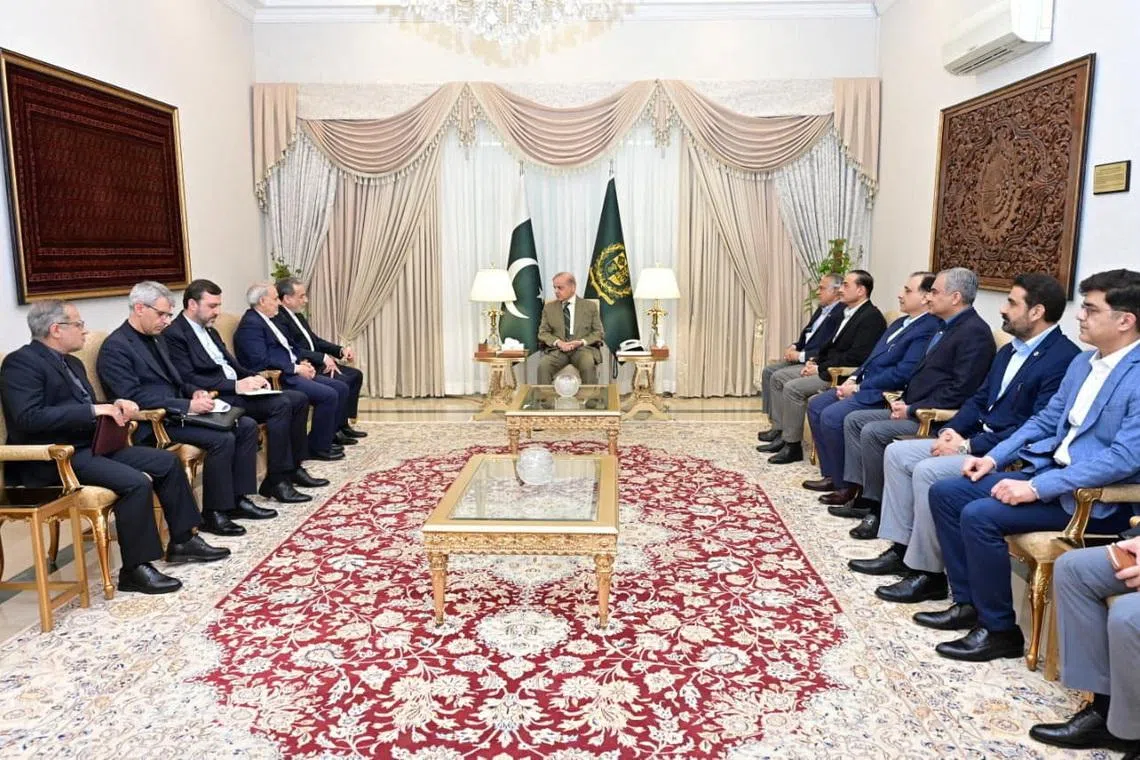
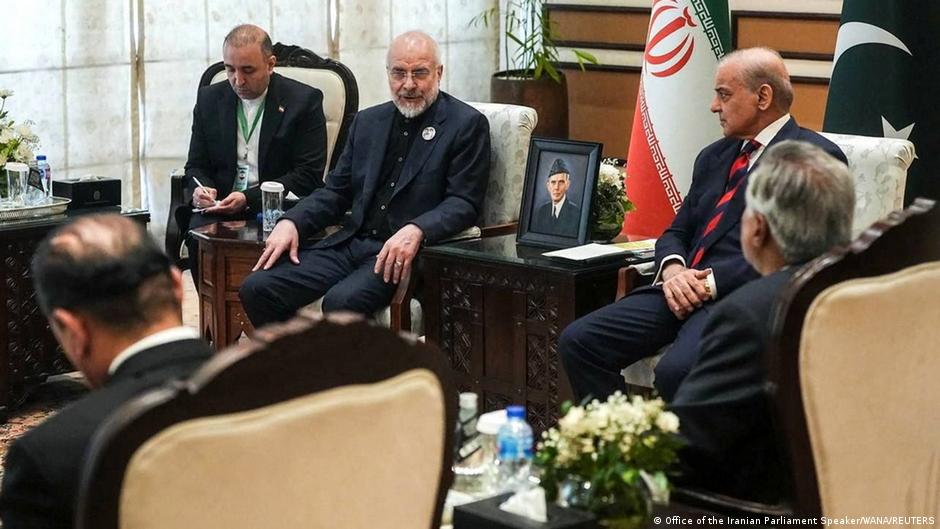
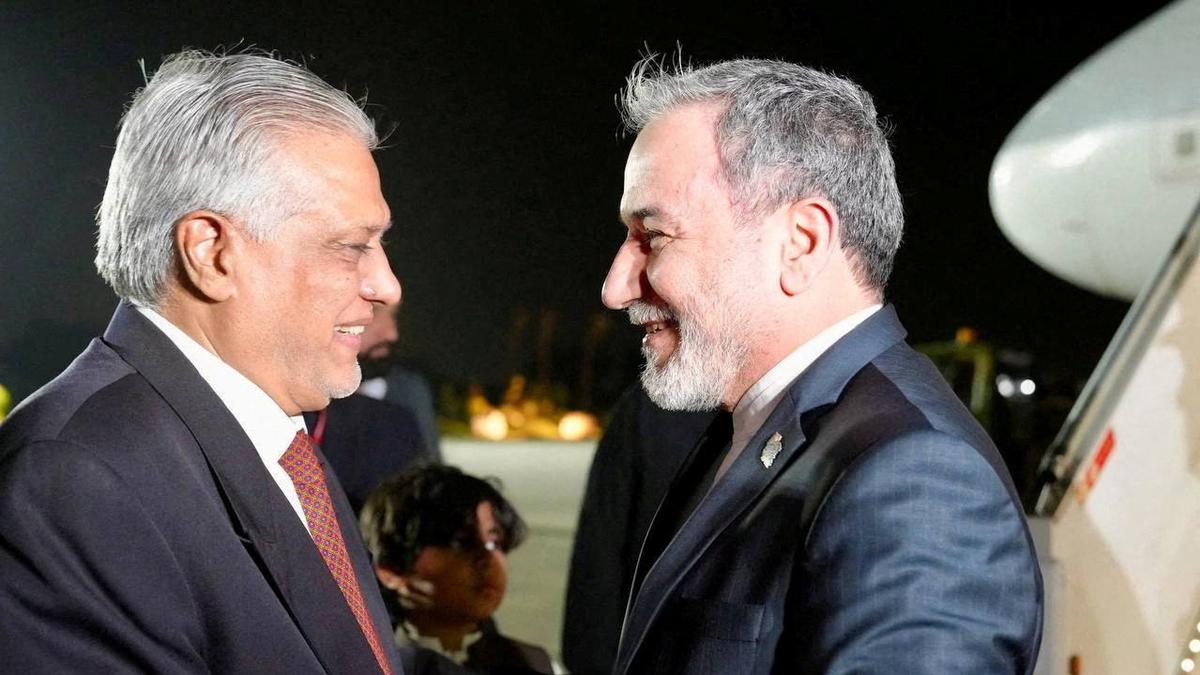
- Pakistan's Foreign Minister Ishaq Dar invited his Iranian counterpart Abbas Araghchi to visit Islamabad, while National Assembly Speaker Ayaz Sadiq separately extended an invitation to Iranian parliament speaker and chief negotiator Mohammad Bagher Ghalibaf.
- Trump accused Tehran of being "unbelievably duplicitous" on Truth Social and told reporters Iran faced a "last chance" before "decapitation" or "total surrender," insisting Tehran sign "a good document."
- Iran's Foreign Ministry denied any active US-Iran talks, with spokesperson Esmaeil Baghaei saying only technical Strait of Hormuz discussions with Oman were underway, while reaffirming Pakistan as "the mediator."
- The Islamabad Memorandum of Understanding, signed in June by PM Shehbaz Sharif, Iranian President Masoud Pezeshkian, and Trump, lasted barely a month before the US reimposed its naval blockade; an earlier April ceasefire had collapsed within days.
- Georgetown professor Mehran Kamrava argued Trump's "erratic statements and postures" reflect "the absence of a strategy," while Tehran-based analyst Seyed Mojtaba Jalalzadeh said Pakistan has been downgraded from "mediator" to "facilitator" because of the repeated breakdowns.
- Iran and Oman are running a parallel track on reopening the Strait of Hormuz — which carried one-fifth of global oil supplies in peacetime — and Secretary of State Marco Rubio warned that any arrangement letting Iran control the waterway would set "a very dangerous precedent."
Why it matters: Pakistan can convene talks but cannot compel Washington or Tehran to honor them, and that structural limit is now on display after four mediation attempts have collapsed since the February 28 war began. With Trump threatening "decapitation" and Iran denying active negotiations, the June Islamabad MoU has lost operational force, leaving the Strait of Hormuz — a chokepoint for one-fifth of global oil — as the sole remaining technical track.
Ask SkimNews