In rural communities, fears amplified by ‘AI slop’ and social media hamper solar boom — SkimNews
Get the Energy newsletter
Daily energy & climate — solar, EVs, oil, the policy fights and tech bets shaping the transition. Free.
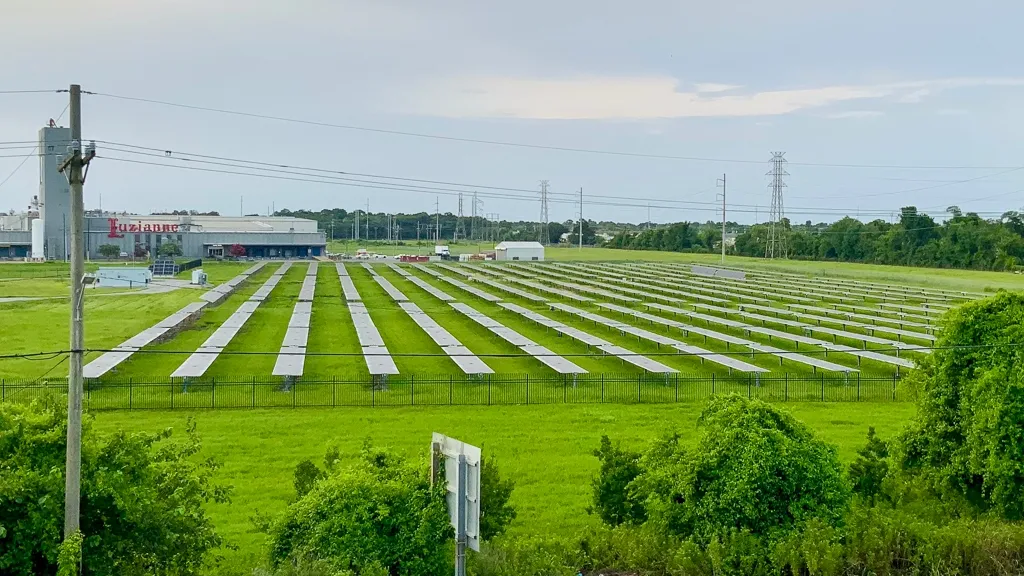
- Iberia Parish Council passed a half-mile setback ordinance in July 2025 that effectively killed the $175 million Acadiana Solar project, a proposed Recurrent Energy (a division of Canada Solar) development on about 1,000 acres of leased farmland.
- A 1,200-member Facebook group 'NO Industrial/Utility solar in Iberia Parish' was created in 2024 by local real estate agent Angela Scott, while a larger 11,000-member national group 'Stop Solar-Wind-BESS-Carbon Capture Scams' was founded in 2020 by Indiana resident Franklin T. Wike.
- Threat intelligence firm Alethea linked the campaign to a network of 'AI slop machine' accounts, many based in Bangladesh, producing emotionally resonant, locally tailored anti-solar graphics for multiple U.S. states including Louisiana, Texas, Iowa, Nebraska, and Tennessee.
- Opponents at council meetings cited fears of cancer-causing chemicals, toxic soil, falling panels, and even tornados — dangers experts say are 'almost entirely imagined,' noting Louisiana solar buildout would impact only about 1% of the state's farmland over the next decade.
- Andree McAnally, whose family farm lost the lease opportunity that would have helped pay college tuition after her husband's 2021 COVID death, told the council she had once believed the same misinformation before her own research changed her mind.
- U.S. solar generation recently overtook coal for the first time, and analysts say growth will continue due to falling costs, even as the project's death highlights how local opposition, not federal policy, has become the primary hurdle for utility-scale solar.
Why it matters: The Acadiana Solar project would have brought millions in tax revenue and lease income to a rural parish where oil and gas jobs in the broader New Orleans metro area fell 47% between 2004 and 2023 — and its death came despite experts calling the cited health hazards baseless. The Alethea findings suggest this isn't isolated: identical AI-generated anti-solar graphics are being deployed state by state through Facebook groups, meaning the Iberia Parish outcome is a template other rural communities may soon face.
Ask SkimNews