Off-grid AI data centers hit reliability, local backlash — SkimNews

Get the Tech newsletter
Daily tech — startups, AI labs, chips, the launches that shape the next decade. Free.
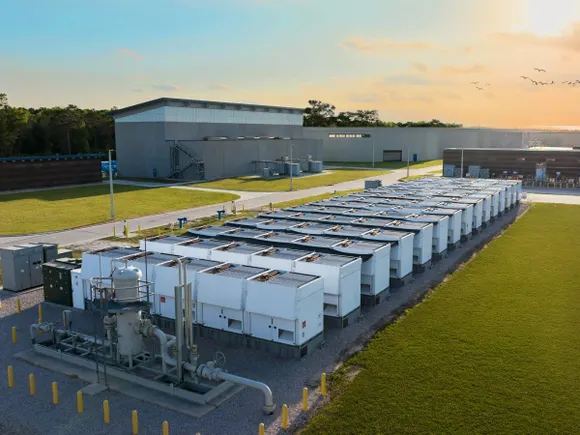
- Cleanview counted 59 data centers with roughly 90 GW of combined capacity planning to generate their own power behind-the-meter via gas turbines, generators, and fuel cells, with infrastructure-risk firm Occam Edge separately tracking 12 projects (~10.6 GW) where on-site power is the primary supply.
- New Mexico's top land official rejected a gas pipeline meant to feed on-site fuel cells for Oracle's 2.5 GW Project Jupiter campus — part of Oracle and OpenAI's Stargate initiative — a regulatory setback the source says could trigger a yearslong delay.
- Vantage's off-grid Ashburn II data center in Virginia saw its on-site gas turbines knocked offline for 24 hours, forcing it onto dirty backup diesel during already poor air quality from Canadian wildfires; local residents reported burning lungs and 60-decibel noise.
- Crusoe's Stargate project in Abilene, Texas reportedly went offline for days at a time due to power and cooling equipment issues, per The Information.
- Elon Musk's xAI built Colossus 1 with mobile gas turbines in a few months — initially off-grid, now grid-connected and selling compute to Anthropic — and is using gas turbines again for Colossus 2 (selling to Google); Musk earlier this month acquired a mobile gas turbine company.
- S&P Global Ratings downgraded Oracle's long-term issuer credit rating to BBB- from BBB — one notch above junk — citing massive data center spending including on-site power investment.
- Critics including energy investor Jigar Shah and Occam Edge CEO Christian Okoye call the off-grid approach slower, costlier, and less reliable; Okoye likens "Dark Gigawatts" to the dotcom era's "Dark Fiber."
Why it matters: Oracle's downgrade to one notch above junk status shows Wall Street already pricing in risk from the behind-the-meter build-out, and with trillions in AI investment tied to whether the 90 GW of planned off-grid capacity can be deployed reliably and win local buy-in, a high-profile failure at a Stargate site could redirect AI expansion back onto the conventional grid — and onto utility timelines companies had hoped to bypass.
Ask SkimNews