U.S. Midterms: India's Geopolitics Over Bilateral Ties — SkimNews

Get the Geopolitics newsletter
Daily geopolitics — wars, elections, sanctions, the diplomatic moves that move markets. Free.
- U.S. midterms in 2026 are likely to matter less for India-U.S. bilateral relations than for the geopolitical operating environment in which New Delhi operates.
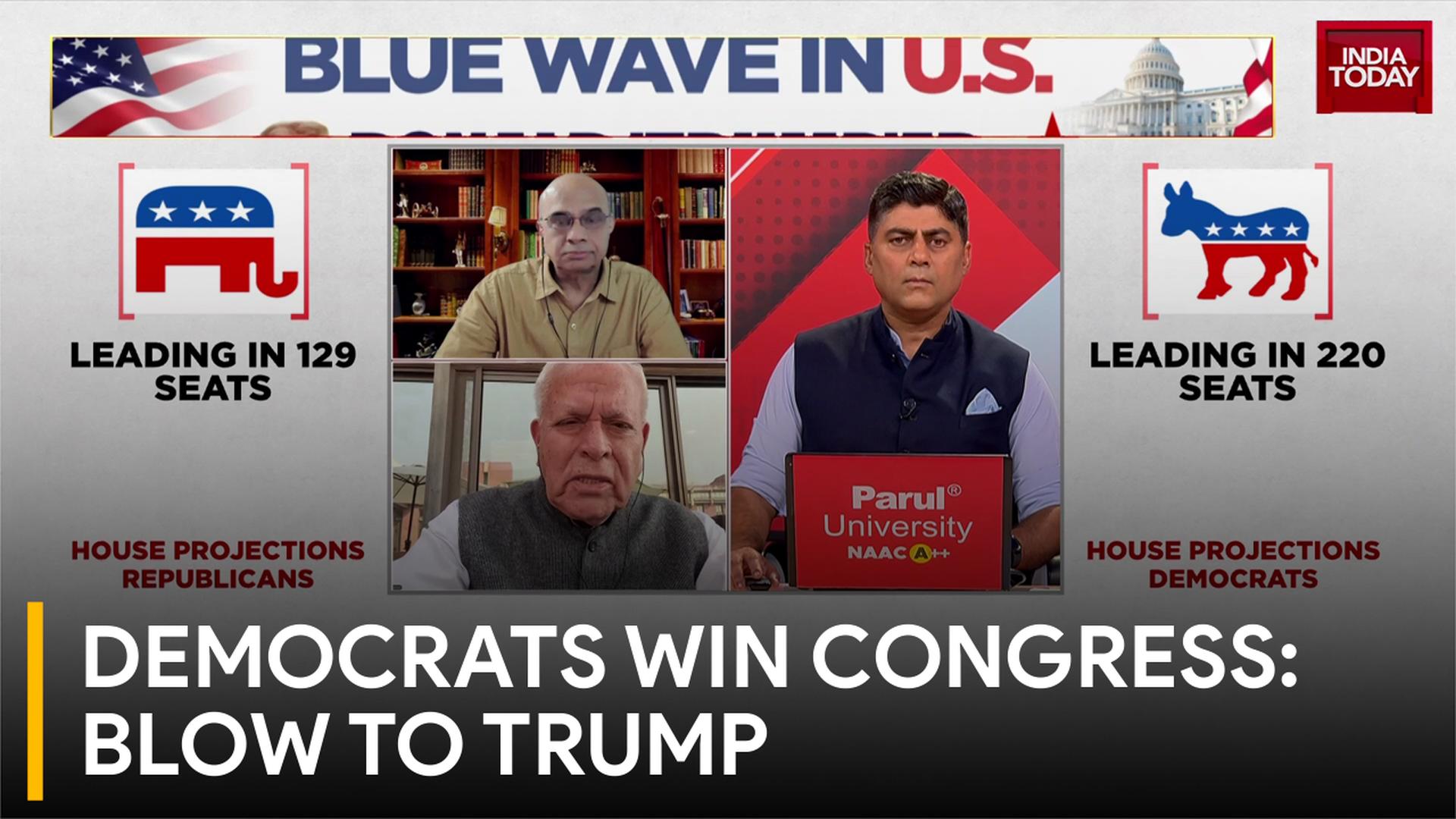
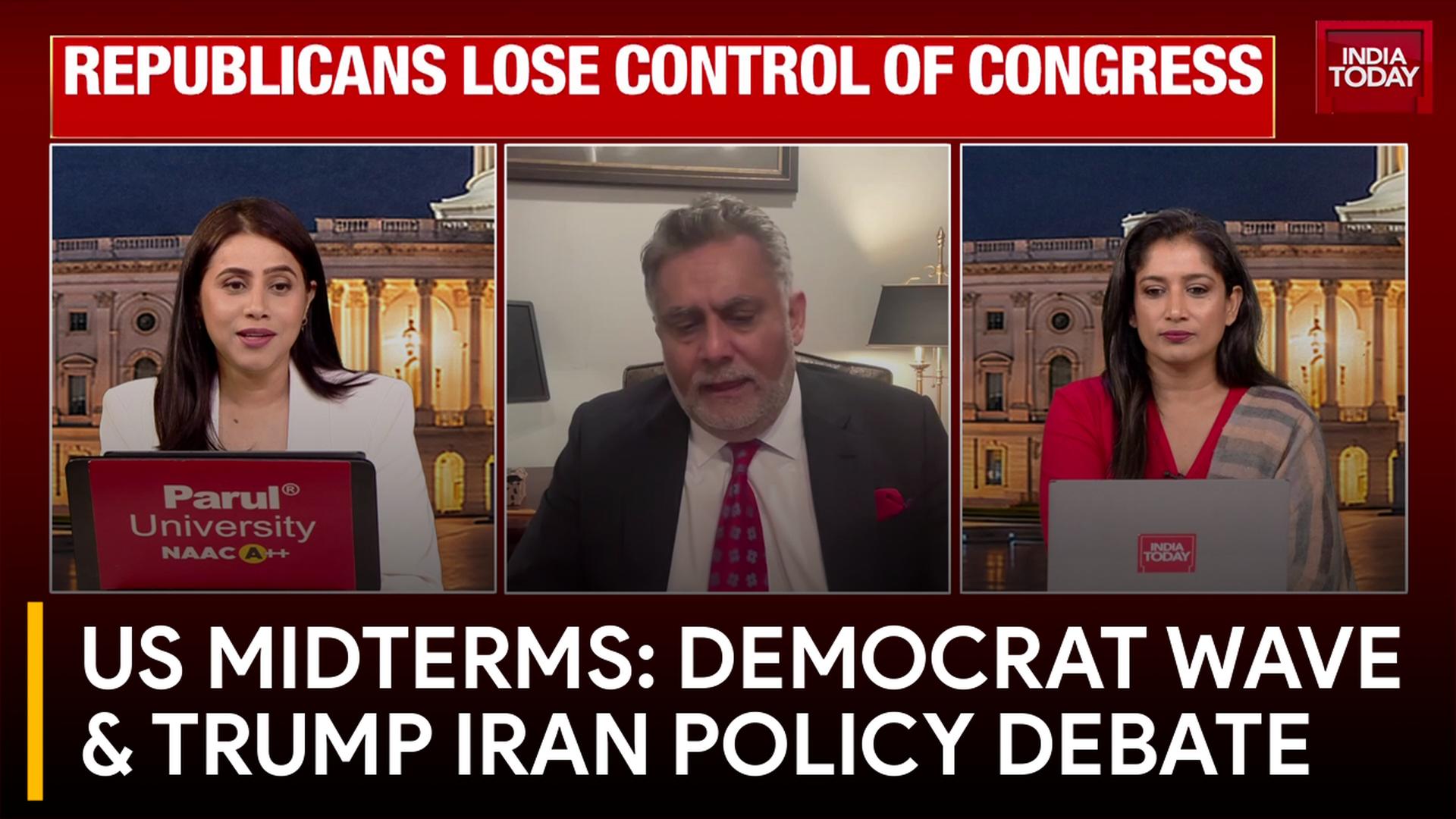
- Democrats are likely to secure a sizable majority in the House of Representatives and a comfortable edge in the Senate, leaving Trump facing restraints on domestic and foreign policy.
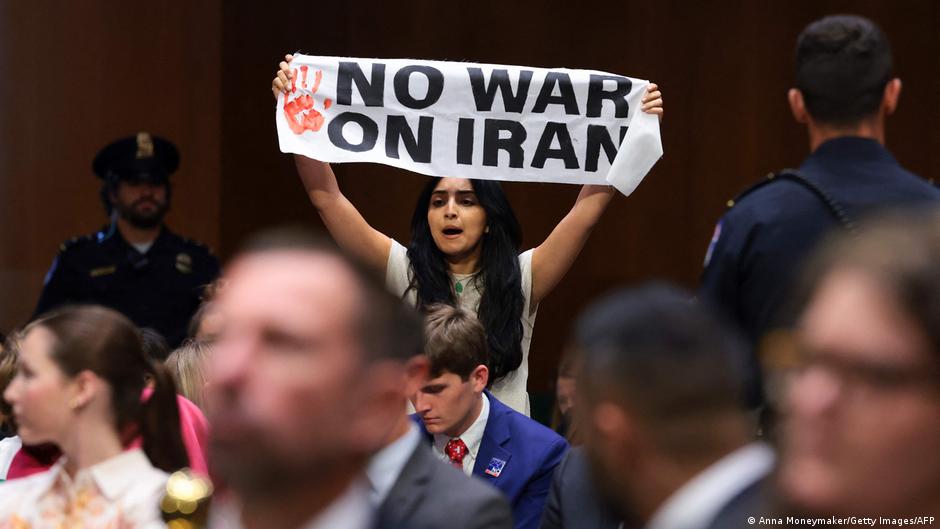
- Trump said, as results began to come in, that he stood by his February 2026 decision to attack Iran, while acknowledging Iran was “part” of the reason for Republican losses.
- New Delhi will watch closely whether Trump gives talks with Iran a greater chance or seeks an early exit from the war, a direction his post-election comments leave unclear.
Why it matters: Democrats are forecast to gain a House majority and Senate edge in both chambers, leaving Trump facing less freedom in domestic and foreign policy. India’s bilateral effect is secondary to the geopolitical effect: Trump’s stance on the February 2026 Iran attack—whether he favors talks or an early war exit—is what New Delhi will watch closely.
Ask SkimNews