Russia Intercepts 660 Ukrainian Drones in Overnight — SkimNews

Get the Geopolitics newsletter
Daily geopolitics — wars, elections, sanctions, the diplomatic moves that move markets. Free.
- Russia's air defences intercepted 660 Ukrainian drones overnight across 12 Russian regions, the Russia-held Crimean peninsula, the Black Sea and the Azov Sea, the Defence Ministry said Friday
- The barrage surpassed Ukraine's previous record of 556 drones on May 17 and ranks as one of the largest Ukrainian drone attacks since Russia's full-scale invasion began more than four years ago
- Zelensky announced on X hours before the attack a '40-day influence operation' aimed at compelling Russia to end the war, after a year of U.S. peace efforts under Trump yielded no breakthrough
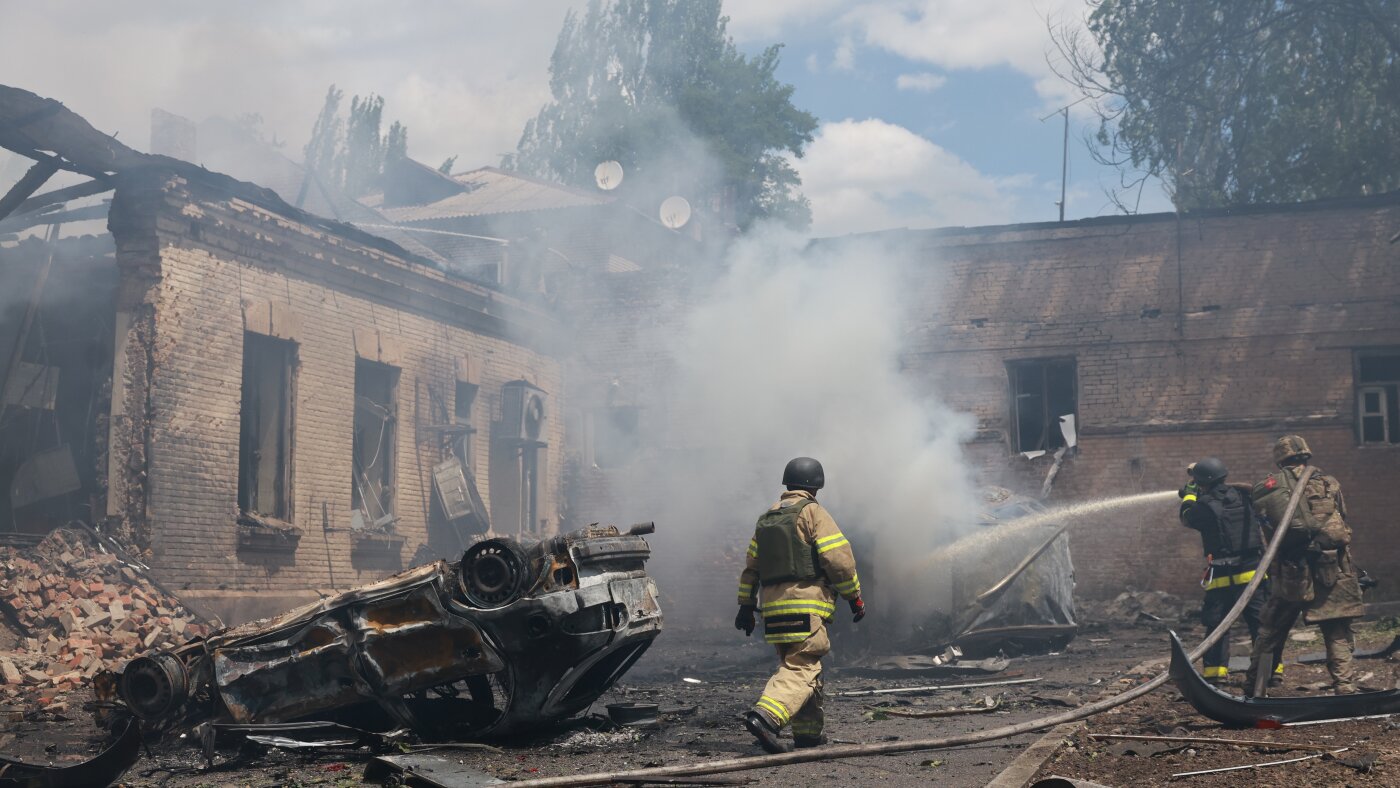
- Strikes hit targets in Moscow and St. Petersburg; Moscow Mayor Sergei Sobyanin reported 47 drones downed approaching the capital, while Russian independent outlet Astra reported a chemical plant and hydroelectric plant caught fire in Novomoskovsk in the Tula region — a claim the Associated Press could not independently verify
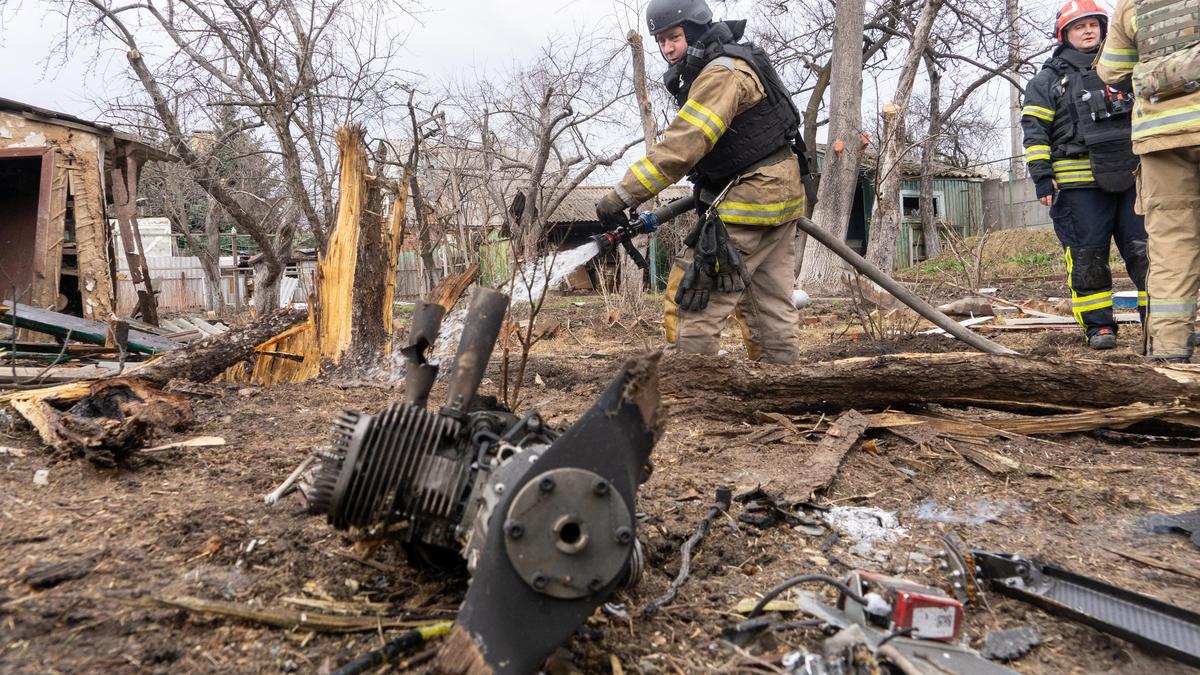
- Russia struck back in the Kharkiv region, killing two civilians and wounding seven with guided aerial bombs and drones, per regional head Oleh Syniehubov
- Ukraine's air force reported stopping 174 of 189 Russian drones overnight but said four of seven Russian Iskander-M ballistic missiles got through air defences and struck their targets
- Zelensky said he secured new aid commitments at the recent G7 summit, including from Trump, and pointed to next month's NATO summit as another opportunity to bolster Ukraine's military
Why it matters: Zelensky explicitly tied the record barrage to a '40-day influence operation' with the stated goal of forcing Putin to the negotiating table — converting a battlefield surge into a stated diplomatic deadline. The simultaneous failure of 4 of 7 Russian Iskander-M ballistic missiles to be intercepted shows Ukraine's drone gains continue to coexist with serious vulnerability at home.
Ask SkimNews