Study: Alzheimer's disrupts 3D genome in brain cells — SkimNews

Get the Health newsletter
Daily health & science — research, biotech, public health, the studies worth knowing. Free.
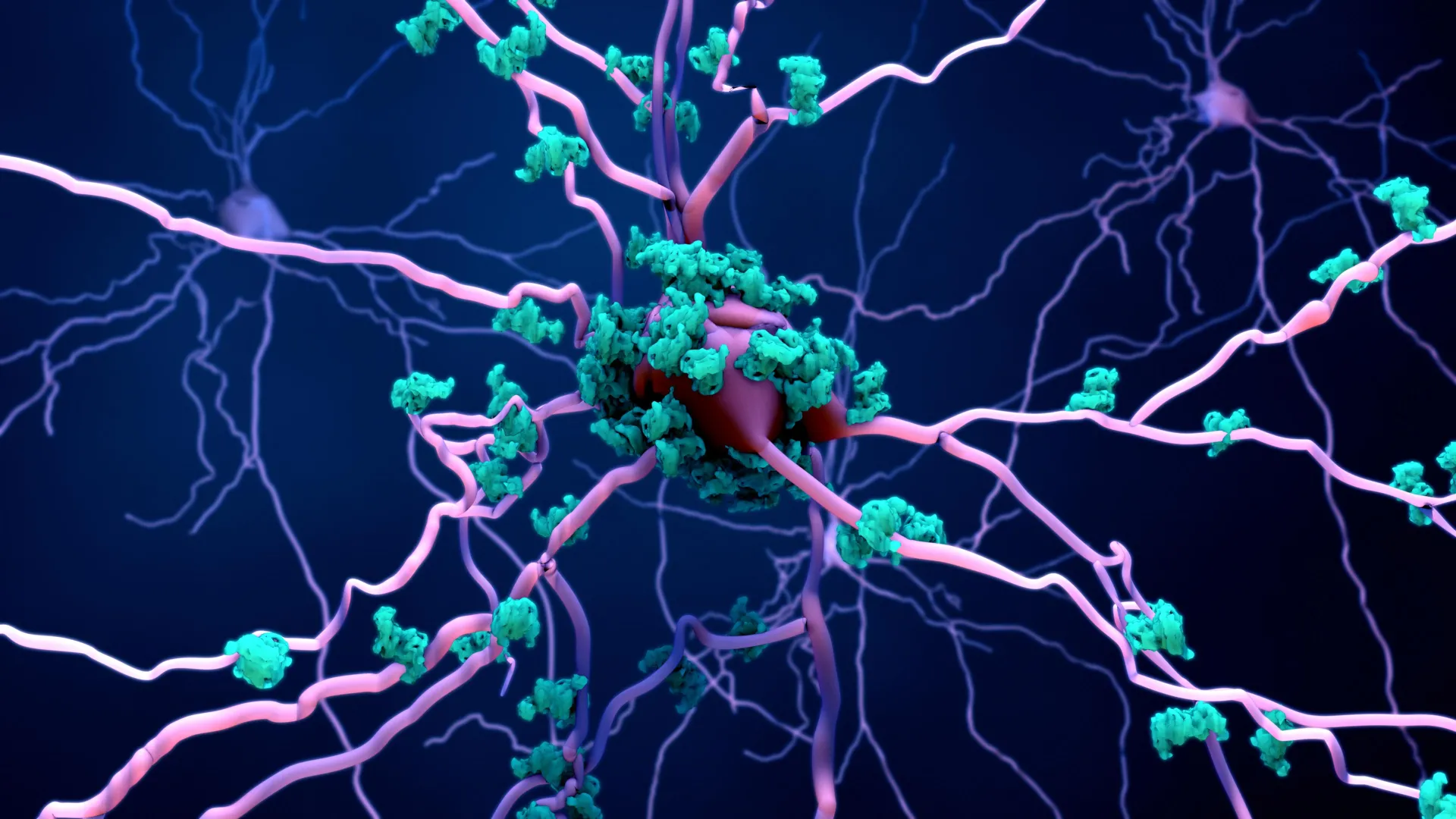
- Researchers at Carnegie Mellon University and the University of Pittsburgh published a Science study finding that the 3D organization of DNA is altered in several types of brain cells from Alzheimer's patients, connecting genome folding to shifts in gene activity across the prefrontal cortex.
- The team combined GAGE-seq, a method measuring gene expression and 3D genome contacts within the same cell, with spatial transcriptomic mapping and a new deep learning model called Hicformer to predict how genome folding influences cellular behavior.
- In Alzheimer's cells, active and inactive genome compartments lost their sharp boundaries in a pattern the researchers called 'increased compartment mingling,' alongside fewer nearby DNA interactions, more long-distance contacts, and weaker gene-regulatory connections.
- These structural changes were associated with reduced activity in neuron and synapse gene programs, plus shifts in metabolism, cellular stress responses, and senescence-related programs in microglia, the brain's immune cells.
- Hansruedi Mathys of Pitt's Department of Neurobiology said the results establish higher-order chromatin alterations as a component of Alzheimer's molecular pathology beyond amyloid-beta plaques and tau tangles, noting the disease affects approximately 7 million Americans.
Why it matters: By establishing 3D genome reorganization as a new Alzheimer's pathology layer alongside amyloid plaques and tau tangles, the study gives researchers specific regulatory regions to prioritize for future mechanistic and therapeutic investigation—a disease that affects approximately 7 million Americans and currently lacks effective treatment.
Ask SkimNews