Utah Solar Becomes Top Power Source for First Time — SkimNews
SkimNews Take
Utah's solar dominance emerged even as its largest utility shelved new renewable plans, suggesting that independent developers—not utility procurement—are now setting the state's energy trajectory.
Get the Energy newsletter
Daily energy & climate — solar, EVs, oil, the policy fights and tech bets shaping the transition. Free.
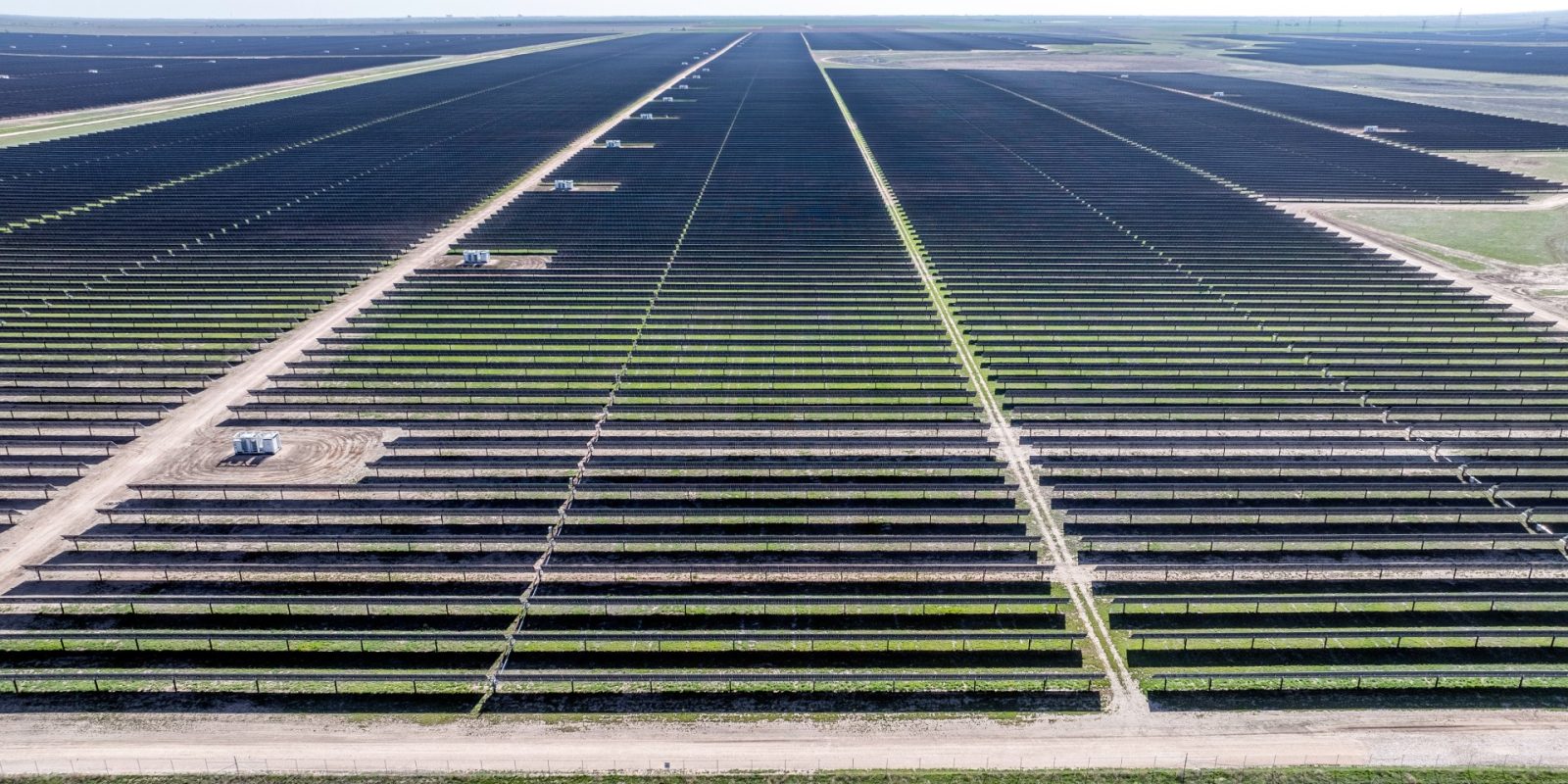
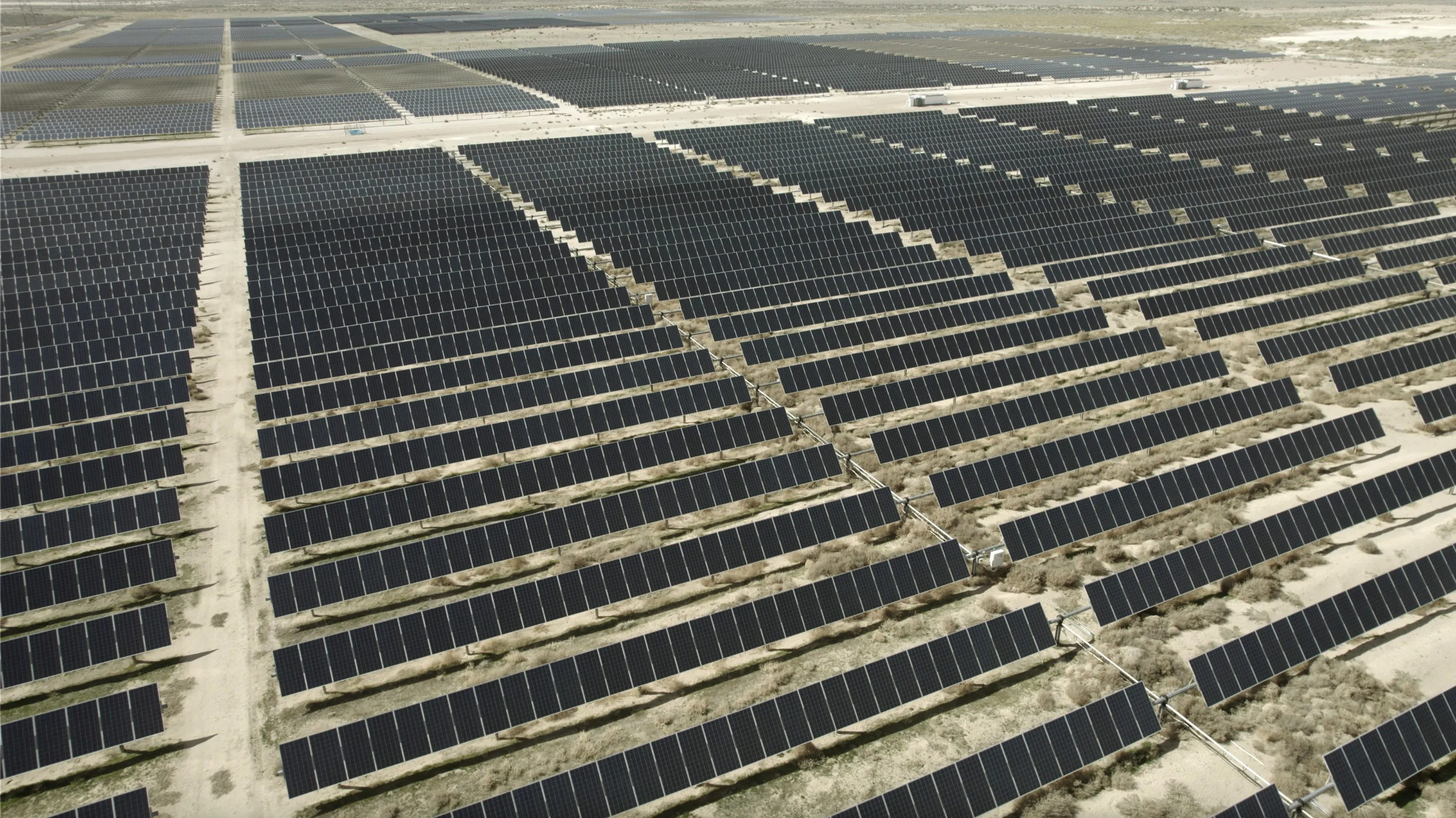
- Solar generation in Utah eclipsed all other electricity sources for the first time in May 2026, with photovoltaic panels producing nearly 1 terawatt hour — about a third of the state's total electricity that month, per Ember data; natural gas generated 32% and coal 28%.
- Coal fell to just 28% of Utah's electricity mix in May 2026, down from 64–78% in 2017, marking the culmination of a years-long decline accelerated by the May solar milestone.
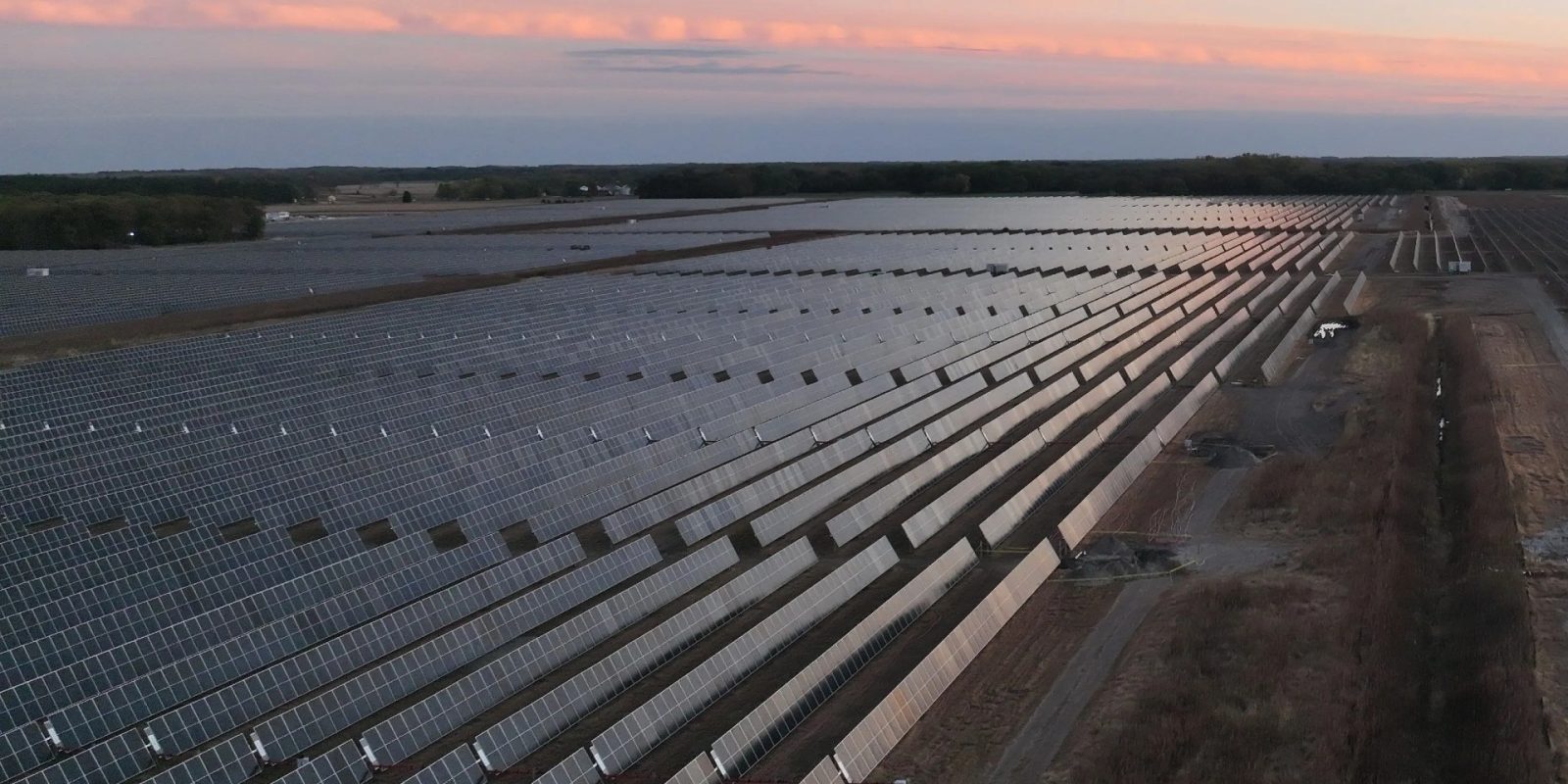
- The Green River Energy Center, a 2,500-acre facility that came online this spring with 400 MW of solar and 400 MW of battery storage, and Excelsior Energy Capital's Faraday Solar project (685 MW, serving a Meta data center in Utah County) drove the recent capacity surge.
- The solar industry supports nearly 8,000 jobs in Utah across 132 companies, with $1.5 billion invested in 2025 — compared to roughly 2,350 jobs in coal mining, oil and gas extraction, and coal/petroleum manufacturing combined.
- PacifiCorp, parent of Rocky Mountain Power, saw wind power surpass all other sources across its Utah, Wyoming, and Idaho portfolio for the first time in December and January, boosted by 400 MW of new turbines at its Rock Creek II facility.
- The Trump administration is phasing out tax incentives for wind and solar projects, calling them "expensive and unreliable," prompting PacifiCorp to abandon plans for new renewable projects over the next two decades.
Why it matters: The milestone comes as PacifiCorp — Utah's largest utility — scrapped plans for new wind and solar projects over the next two decades, citing the Trump administration's phase-out of renewable tax credits. Solar already employs nearly 8,000 Utahns versus about 2,350 in coal mining and oil and gas combined.
Ask SkimNews