Trump claims China stole 220M voter files in 2020 — SkimNews

Get the Geopolitics newsletter
Daily geopolitics — wars, elections, sanctions, the diplomatic moves that move markets. Free.
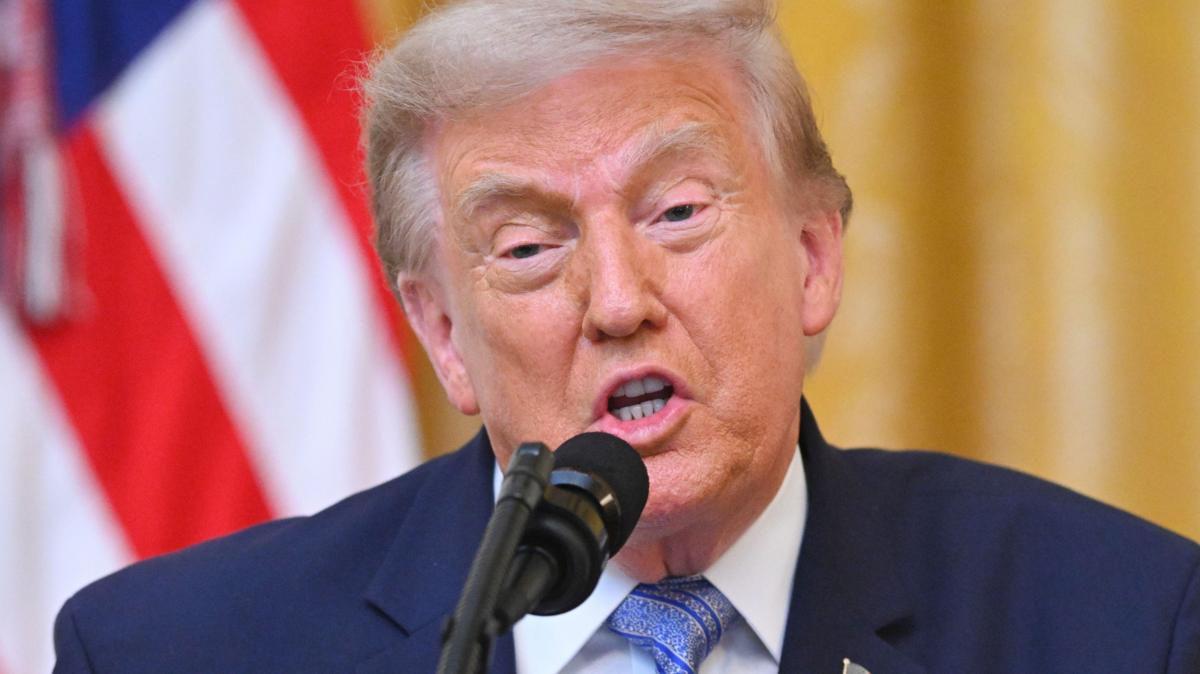
- Trump accused China of stealing 220 million voter files during the 2020 election cycle in a Thursday primetime White House address, calling it "sinister election meddling" and renewing calls for the SAVE Act to require voter ID.
- Documents Trump released to support the allegation contained a State Department email stating the department "possesses positive evidence" that "China probably is not interfering in the election" — a direct contradiction of his own claims.
- CIA and FBI assessments in the released files concluded China "does not currently intend to covertly interfere to try to sway the outcome of the election," with one document noting the Chinese data collection was a broad "bulk effort" spanning "targets in other countries."
- Liu Chang, a spokesman for the Chinese Embassy in Washington, rejected the allegations, declaring "China has never and will never interfere in the presidential elections of the U.S."
- ABC and NBC both declined to carry Trump's speech live, with Rep. Alexandria Ocasio-Cortez having urged networks not to "be contributing to any platforming of lies about our elections."
- The SAVE Act has passed the House but stalled in the Senate; Sen. Thom Tillis warned it is "logistically impossible" to implement the new ID requirements before the November midterms.
- Gov. Gavin Newsom pushed back on Trump's non-citizen voter claims, stating that "voter fraud is EXTREMELY RARE — and almost always committed by U.S. citizens."
Why it matters: The documents Trump released as evidence of Chinese election meddling actually contain intelligence assessments from the State Department, CIA, and FBI saying no such interference occurred — undermining his 'most important Oval Office address since the Cuban Missile Crisis' (as Sen. Bernie Moreno framed it). The simultaneous refusals by ABC and NBC to carry the speech live mark a rare broadcast-gatekeeper rebuke of a sitting president's primetime address on a topic with no factual backing.
Ask SkimNews