Gulf States Can End U.S.-Iran War — SkimNews

Get the Geopolitics newsletter
Daily geopolitics — wars, elections, sanctions, the diplomatic moves that move markets. Free.
- United States has maintained a military blockade on Iran and conducted strikes but has failed to achieve core objectives like regime change or disabling Iran’s nuclear program, despite sinking Iran’s navy.
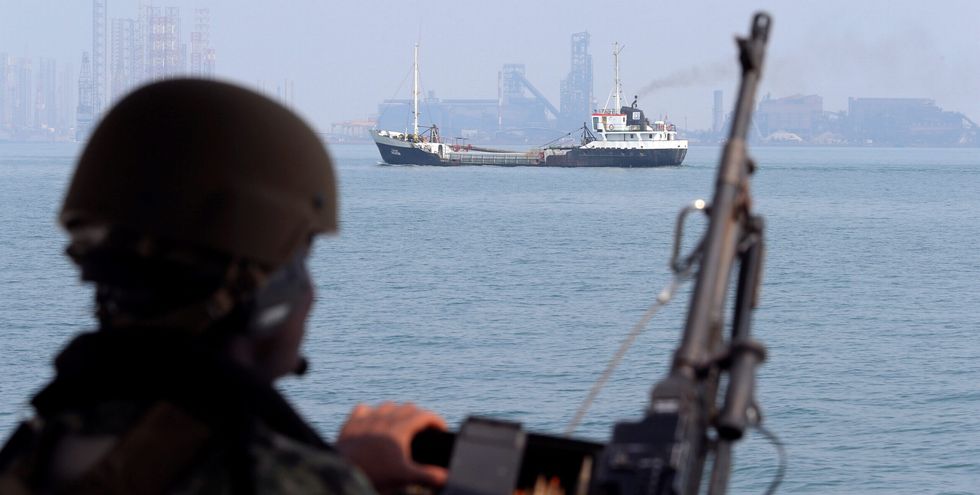
- Iran has survived months of bombing and maintained restrictions on the Strait of Hormuz but cannot break the U.S. blockade or end the threat of future American military action.
- Gulf Arab states are positioned to broker a cease-fire by providing Iran with economic relief in exchange for lifting shipping restrictions, allowing the U.S. to lift its blockade without direct concessions.
- Gulf states would also use their leverage with Washington to deter future U.S. strikes on Iran, building on past actions like Kuwait and Saudi Arabia pausing U.S. basing and overflight rights in May.
- Iran seeks to reduce U.S. influence in the region and could use future American military actions to further strain U.S.-Gulf relations, especially if such actions undermine a Gulf-brokered agreement.
Why it matters: The Gulf states stand to lose the most from prolonged conflict due to their geographic and economic exposure, giving them a unique incentive to act where the U.S. and Iran cannot. By absorbing the cost of concessions and mediation, they could end the immediate crisis without resolving deeper disputes, shifting regional security responsibility away from Washington.
Ask SkimNews