Steel Drives 53% of Belt & Road Emissions, Study Finds — SkimNews
Get the Energy newsletter
Daily energy & climate — solar, EVs, oil, the policy fights and tech bets shaping the transition. Free.
- Study tallied >130 million tons CO₂e from 700 Belt and Road projects across 105 countries (2008‑2024), equivalent to emissions of 35 coal‑fired power plants.
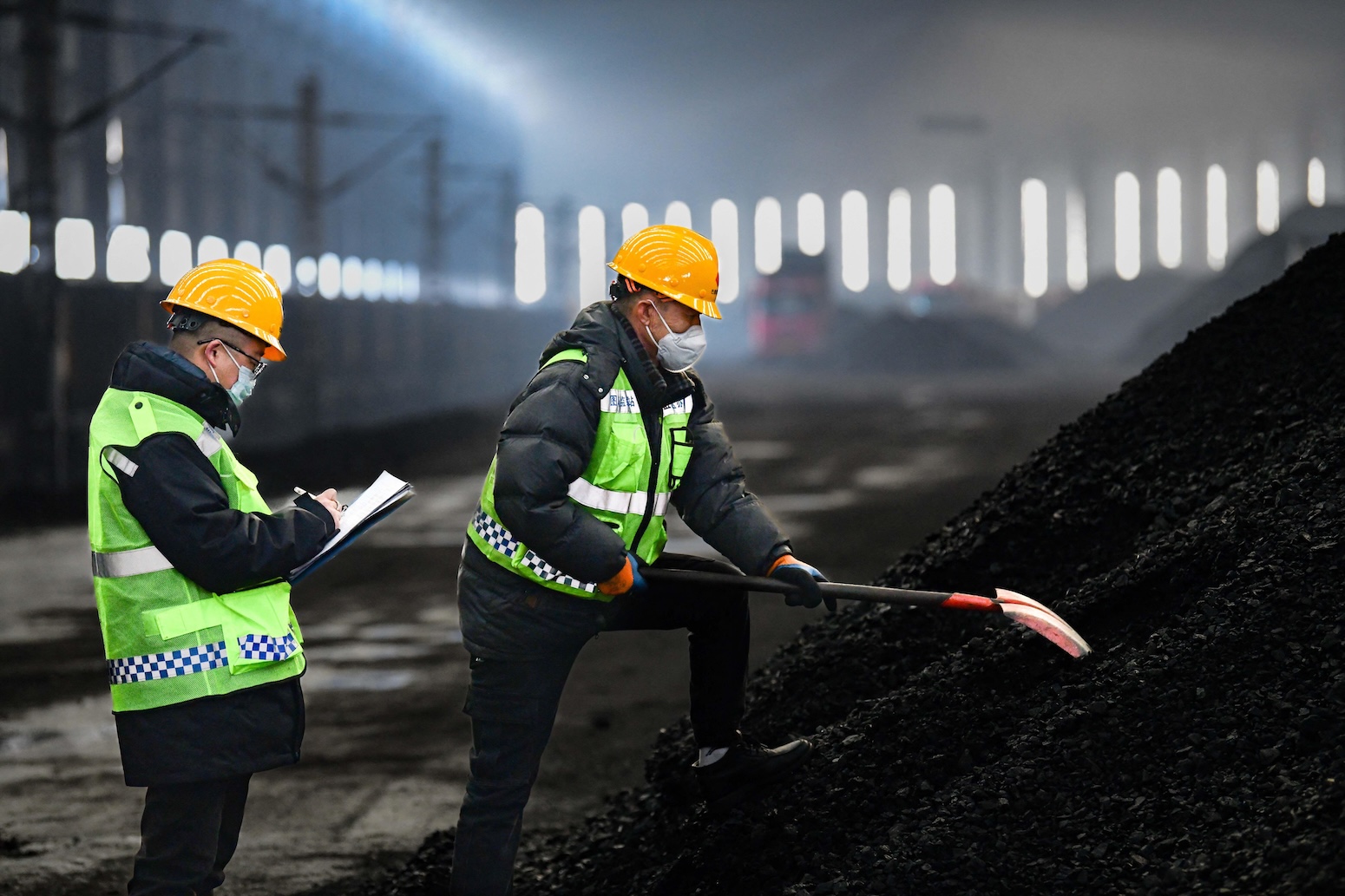
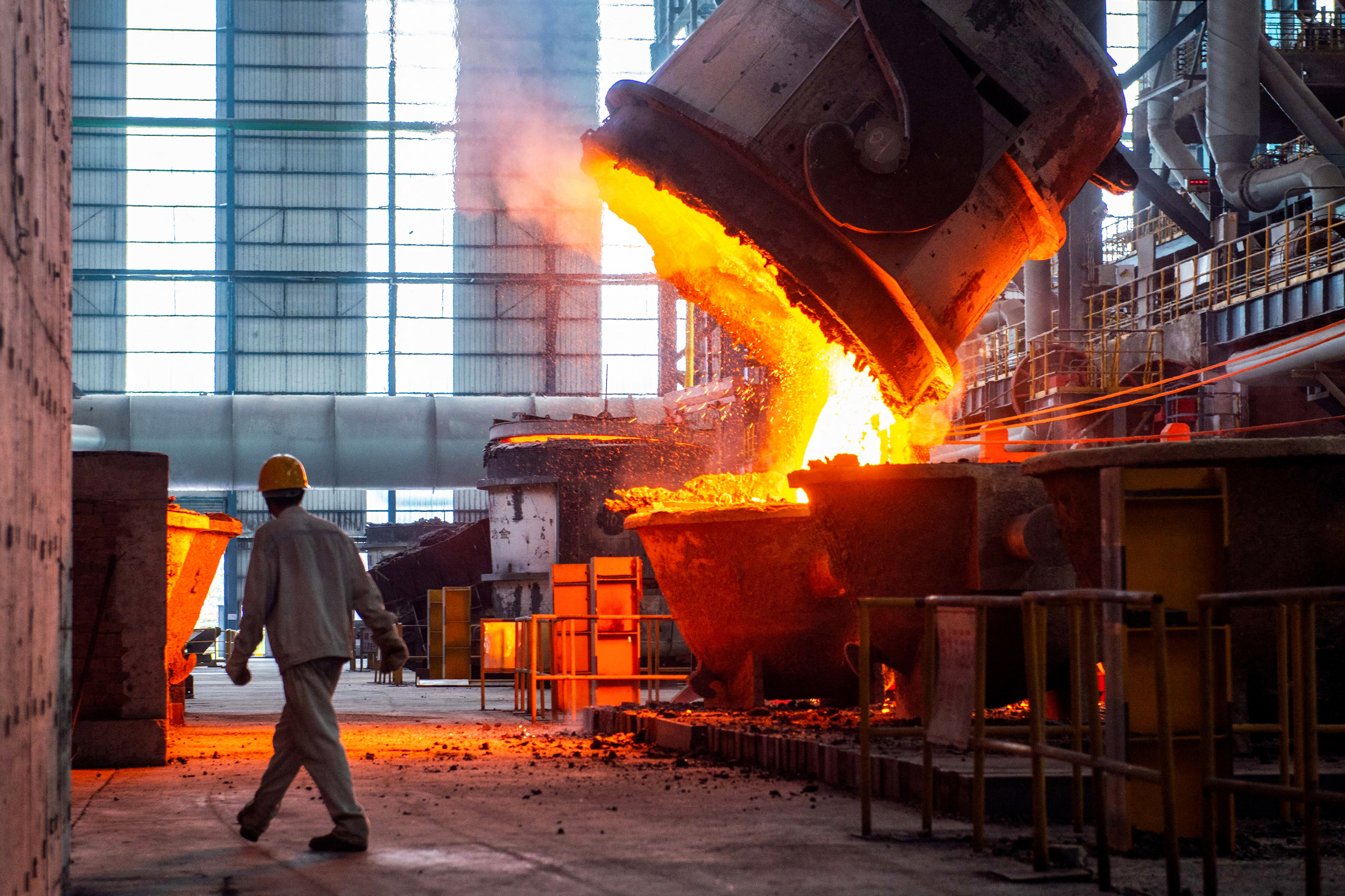
- Steel contributed 53% of those emissions, and China supplied most of the steel, producing over half of global steel and accounting for ~15% of its own CO₂ output.
- Lingli Hou noted that roughly half of the Belt and Road emissions occurred outside the host nations, highlighting supply‑chain responsibility.
- Kate Logan reported that about 90% of Chinese steel still relies on coal‑fired blast furnaces, making the sector a global emissions hotspot but also a major mitigation opportunity.
- Xiao Liu’s PNAS study modeled >700 Chinese firms and concluded that only a mix of incentives and carbon pricing can drive the needed transition, with hydrogen‑based steel and electric‑arc furnace recycling as near‑term solutions.
- Tomer Fishman emphasized that while most Belt and Road energy projects are renewable, the emissions saved by operating them for two years offset the construction emissions of all 706 projects.
Why it matters: China’s steel sector—responsible for 53% of Belt and Road construction emissions and roughly 15% of the country’s own CO₂ output—faces pressure to adopt hydrogen‑based production and electric‑arc recycling, a shift that can reduce emissions while preserving China’s role as the world’s top steel supplier.
Ask SkimNews