Four reasons the US won't open the Strait of Hormuz — SkimNews

SkimNews Take
The strait's closure is being resolved through fragmented bilateral deals rather than coordinated maritime security frameworks, exposing how quickly global shipping reverts to nation-by-nation accommodation when multilateral enforcement breaks down.
Get the Geopolitics newsletter
Daily geopolitics — wars, elections, sanctions, the diplomatic moves that move markets. Free.
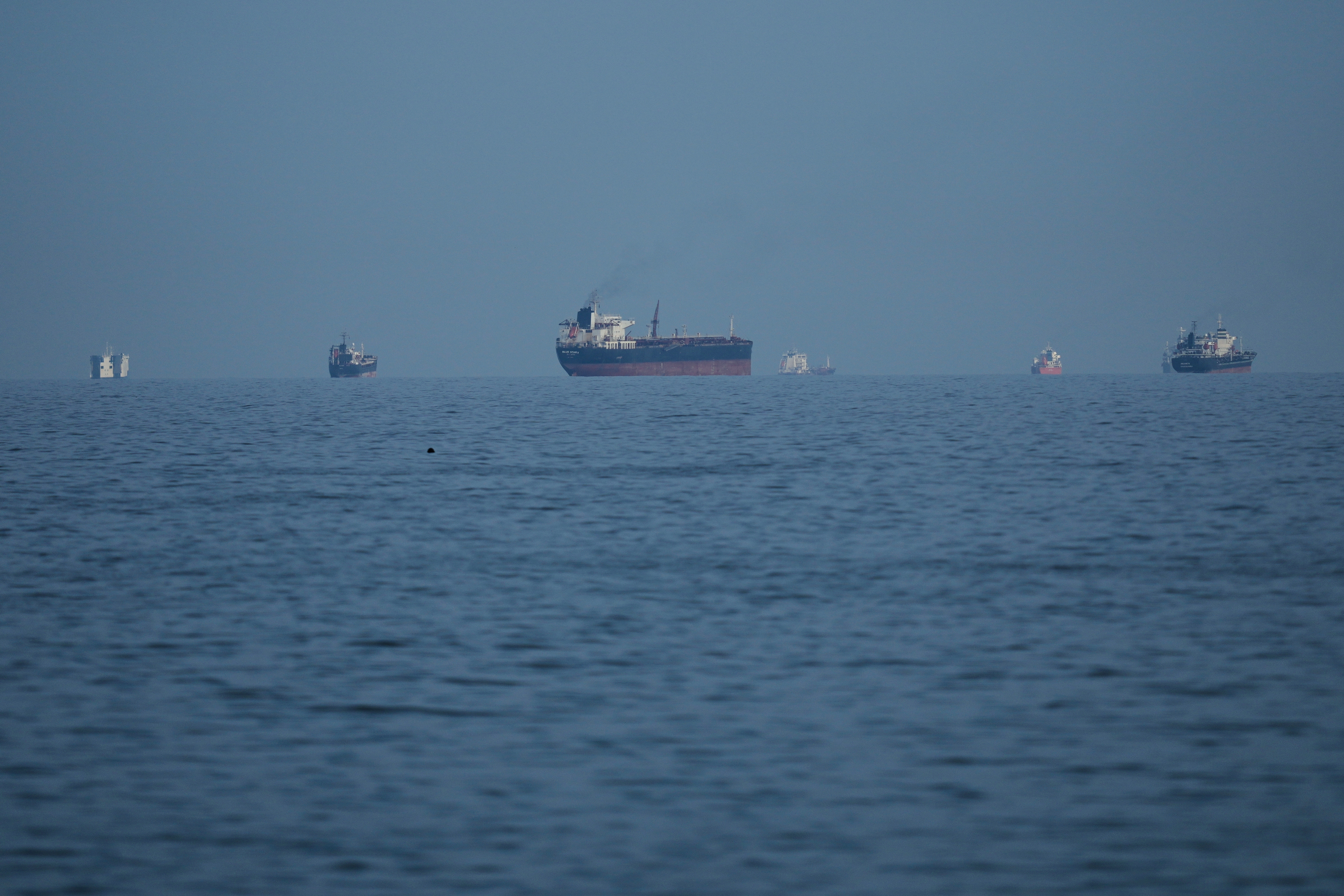
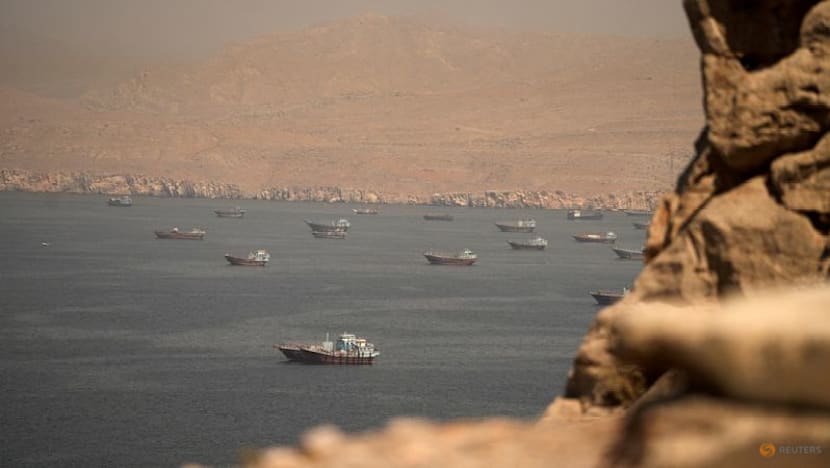
- Iran has targeted commercial ships in the Strait of Hormuz since the US-Israel war began in late February, effectively shutting down the waterway and triggering a global fuel crisis, though some vessels are still getting through.
- Trump issued an ultimatum to Iran to fully reopen the strait to oil and gas shipments and called on NATO allies to assist in the effort.
- Naval expert Jennifer Parker, who served 20 years with the Royal Australian Navy, says securing the strait requires a two-phase campaign: first destroying Iran's radar, command-and-control, weapons bunkers, and drone stockpiles along the coast, then a reassurance campaign using airborne early-warning aircraft, combat air patrol, and naval escorts.
- The US military will not secure the strait first because doing so would divert aircraft needed to destroy Iran's ballistic missile and nuclear capabilities, and would require ground forces or raiding parties on Iran's coastline — which Parker calls "complicated and risky."
- Iran's drones are especially hard to eliminate because they can be launched from almost anywhere and do not require the advanced manufacturing facilities that missiles do.
- Iran is unlikely to lay extensive mines in the strait because its own oil exports from Kharg Island depend on the same waterway, and acoustic mines would struggle to reliably distinguish Iranian-flagged vessels from foreign ones.
- The Trump administration has four stated military objectives: destroying Iran's ballistic missile capability, nuclear capability, navy (largely achieved), and proxy networks including Hezbollah in Lebanon, which has been under Israeli attack for weeks.
Why it matters: The US faces a hard tradeoff: diverting airpower from destroying Iran's ballistic missile and nuclear capabilities to secure the strait could undermine Trump's core war objectives, while stationing warships with 200+ crew members in the strait before neutralizing Iran's coastal threats puts those personnel at risk from drones, cruise missiles, and uncrewed surface vessels. Mine clearance alone could take weeks or months, meaning the global fuel crisis caused by Iran's shipping attacks may persist well before commercial traffic safely resumes.
Ask SkimNews