Parkinson's: Alpha-Synuclein Disrupts Brain Drainage — SkimNews

Get the Health newsletter
Daily health & science — research, biotech, public health, the studies worth knowing. Free.
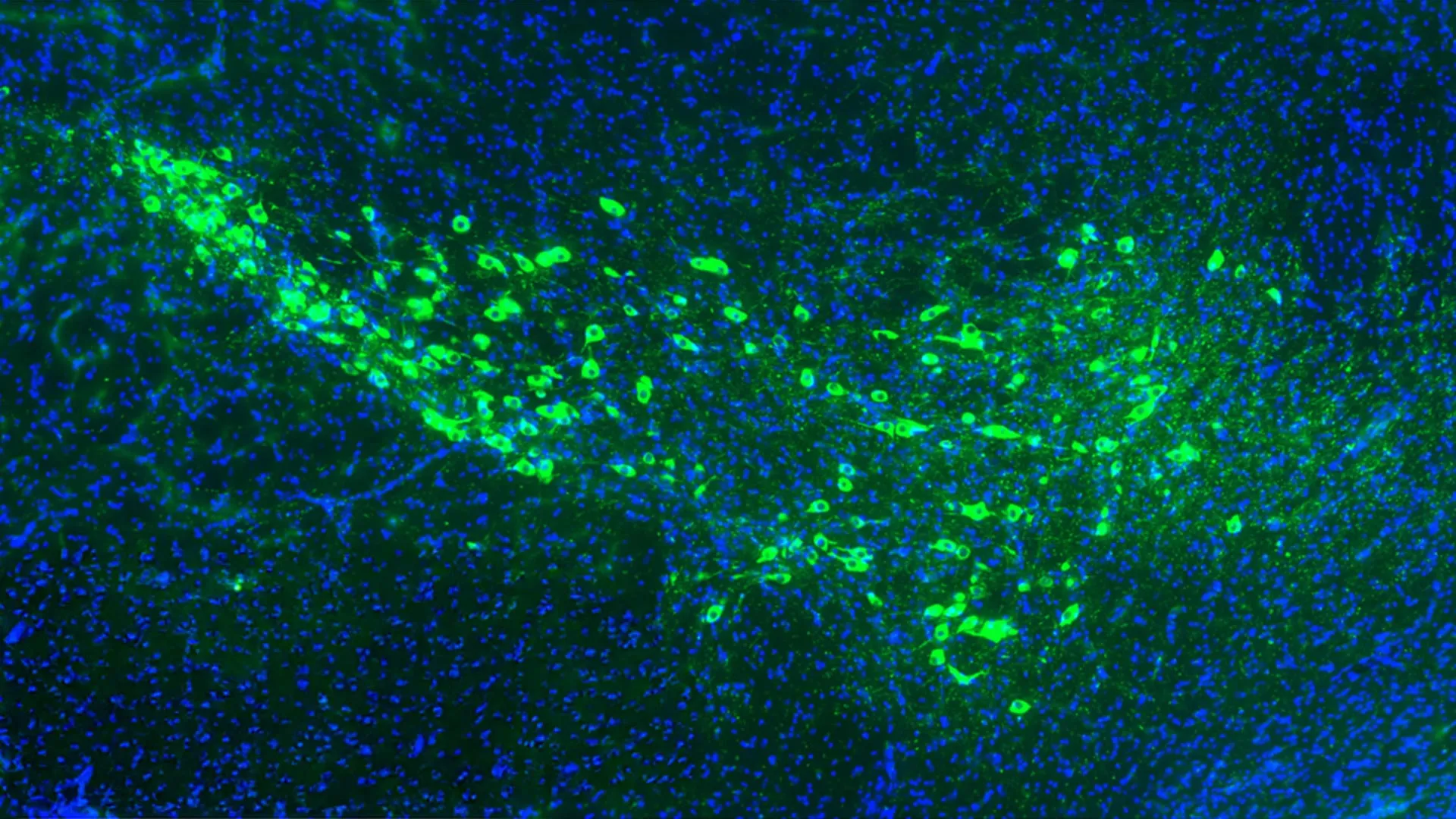
- Justin Rustenhoven and colleagues analysed post-mortem meninges from seven people with severe Parkinson's and seven people without the condition; only the Parkinson's samples contained alpha-synuclein clumps at the brain's borders.
- The mouse experiment infected meningeal fibroblasts with a virus that made them continuously produce elevated alpha-synuclein; two months later, imaging showed brain-border lymphatics drained waste fluid at half the control rate.
- Macrophages at the brain border doubled in number and produced about three times as much TNF-alpha after engulfing alpha-synuclein clumps in the affected mice.
- Human meningeal lymphatic cells exposed to either alpha-synuclein or TNF-alpha developed gaps between them, making the vessels leaky.
- Camille Carroll said the mouse model was appropriate for testing effects at the brain border, but linking the lymphatic findings to symptoms remains an important next step.
- Researchers are collecting brain-border samples from people who died with Parkinson's disease of varying severity to determine how often alpha-synuclein clogs the borders and at what stage lymphatic impairment starts.
- TNF-alpha blockers are being tested in mice and human cells for reversing lymphatic damage, while an ongoing trial is giving one to people with REM sleep behaviour disorder; a prior inflammatory bowel disease study found people taking them were 78% less likely to develop Parkinson's.
Why it matters: For the more than 10 million people with Parkinson's worldwide, the finding gives researchers a defined immune target: TNF-alpha. A prior inflammatory bowel disease study found people taking TNF-alpha blockers were 78% less likely to develop Parkinson's, while an ongoing trial in people with REM sleep behaviour disorder tests whether that pathway affects progression.
Ask SkimNews