2026 Nobel Medicine Prize Awarded for Optogenetics — SkimNews

Get the Health newsletter
Daily health & science — research, biotech, public health, the studies worth knowing. Free.
- Karl Deisseroth, Peter Hegemann, and Georg Nagel were named joint recipients of the 2026 Nobel Prize in Physiology or Medicine "for their discoveries concerning light-gated ion channels and optogenetics," announced Monday by the Karolinska Institutet.
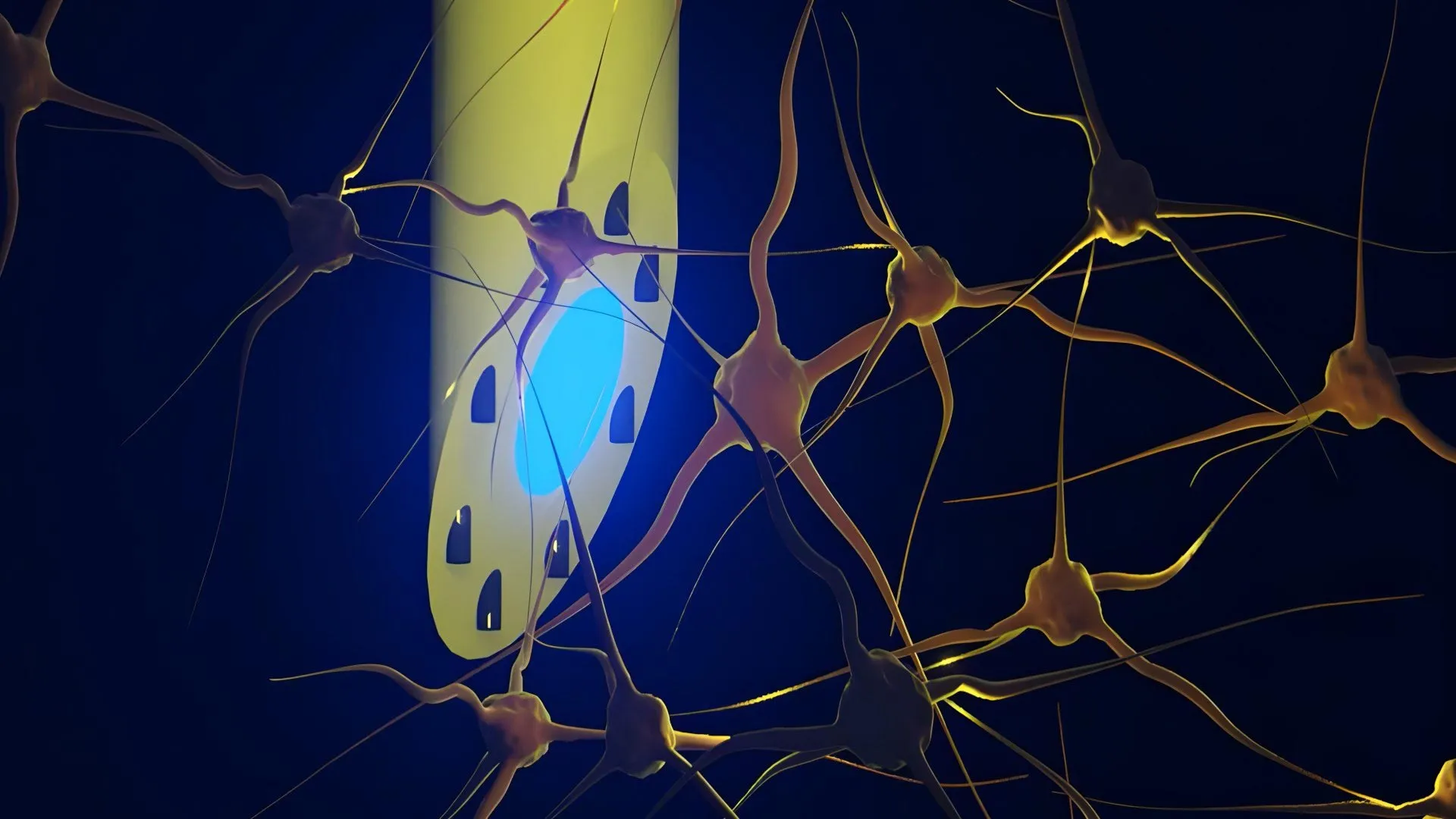
- The method combines light with genetic modifications of neurons to switch individual cells on or off in living brains with "millisecond precision," enabling scientists to identify which cells drive memories, feelings, and behavior.
- Hegemann and Nagel discovered channelrhodopsin — a light-sensitive ion channel — in the early 1990s at the Max Planck Institute after Hegemann wondered how the single-cell green alga Chlamydomonas swims toward light.
- Ed Boyden, the first author on Deisseroth's landmark 2005 paper and then his Ph.D. student (now at MIT), was excluded from the prize; Nobel rules cap awards at three, and many on social media flagged his omission.
- Gero Miesenböck and Zhuo-Hua Pan were cited by the committee for earlier foundational work — Miesenböck achieved the first genetic light-sensitization of neurons in 2002, and Pan successfully tested channelrhodopsin in ganglion cells in 2004.
- The three laureates will share 12 million Swedish Kronor (~$1.2 million); Deisseroth, reached after midnight, called Hegemann and Nagel "my friends" and said he looked forward to speaking with them.
Why it matters: The Nobel's three-person cap means foundational contributors like Ed Boyden and Zhuo-Hua Pan are excluded from the honor, and the committee's refusal to explain its selection leaves the neuroscience community debating who truly built optogenetics. The $1.2 million prize elevates a tool now being explored as a treatment for disease, and Deisseroth's Pioneer Award dates back to 2005 — making the recognition a long-anticipated capstone rather than a surprise.
Ask SkimNews