Iran's Regime Splinters as Khamenei Becomes Figurehead — SkimNews

Get the Geopolitics newsletter
Daily geopolitics — wars, elections, sanctions, the diplomatic moves that move markets. Free.
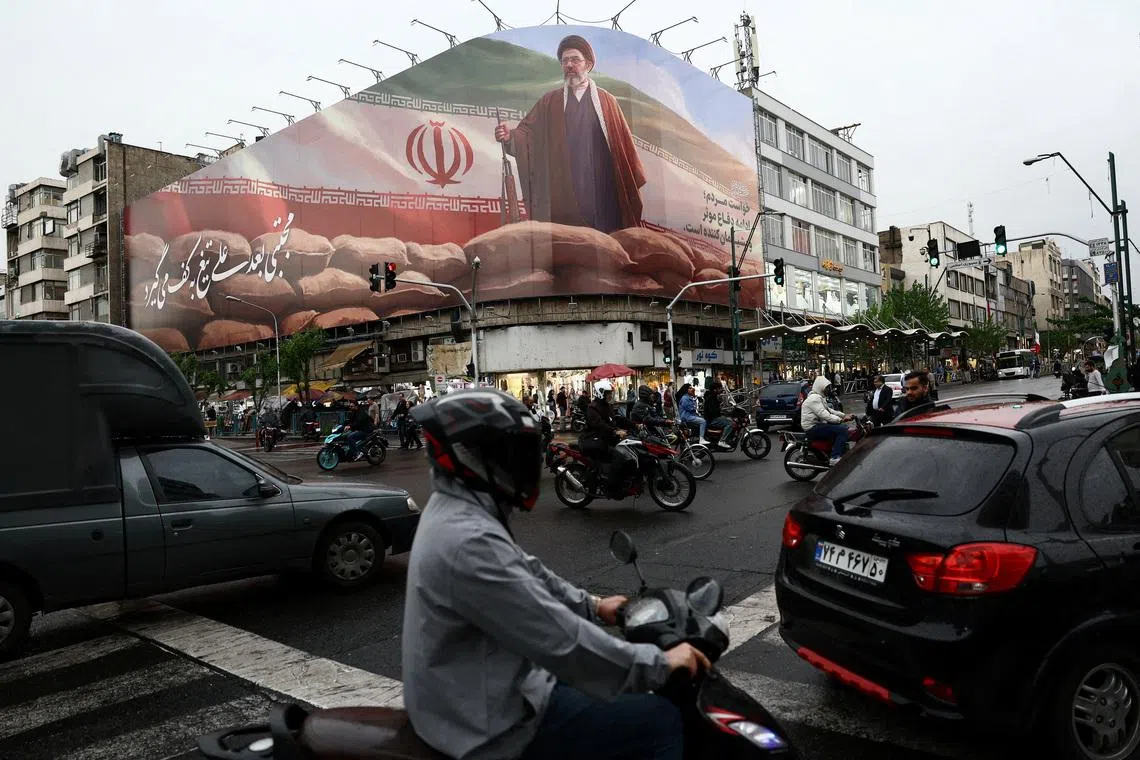
- Iranian President Masoud Pezeshkian told China's Xinhua on August 5 that communication with Supreme Leader Mojtaba Khamenei has been "difficult recently," and Iranian regime media showed him in only a brief, secretive meeting with a man presented as Khamenei in a tinted-window car.
- The Revolutionary Guards' radical elements have seized ultimate power using Mojtaba as a figurehead, spawning pervasive mutual suspicion where "anyone, for any reason, can be accused of being a traitor" and any compromise risks veto by factions calling it a "traitor's surrender."
- Iran's command structures have been devolved to local levels to preempt US decapitation strikes, with no recentralization expected soon; Israel is rumored to maintain contacts with senior Tehran officials who could stage a coup.
- Gulf states, now under attack from Tehran and the source of most of China's oil, asked Beijing to intervene and reopen the Strait of Hormuz — but China produced no result, potentially signaling it "has no one to talk to in Iran."
- An emerging Iran-Oman deal would let Iran maintain control of the Strait of Hormuz, but the US may seek to block international recognition of that control — which the article calls a strategic lever for future disputes — before midterm elections.
- Iran retains missile and drone manufacturing capacity along with "apparently ample stockpiles," meaning even a failing state, compared to Myanmar's junta, can survive and remain dangerous.
- Regional states, previously divided over how to handle Iran, are now converging on plans to limit Tehran's influence and bypass the strait — efforts the article says will ultimately constrain Iranian trade and further isolate the religious leadership.
Why it matters: A failing Iran with decentralized command structures and intact missile stockpiles still threatens the region, but Gulf states — once divided — are now coalescing to bypass the Strait of Hormuz, permanently eroding Tehran's leverage and sidelining China from regional diplomacy it once influenced.
Ask SkimNews