Iran war drains U.S. missile defense through 2029 — SkimNews

SkimNews Take
The surge in demand for missile defense systems from the Iran conflict reveals a critical vulnerability in the U.S. defense industrial base, which is struggling to scale production to meet the needs of multiple concurrent global security challenges.
Get the Geopolitics newsletter
Daily geopolitics — wars, elections, sanctions, the diplomatic moves that move markets. Free.
- CSIS projects U.S. missile-defense stockpiles won't recover until 2029, even assuming the Iran war doesn't resume and factoring in Trump's $1.5 trillion defense-budget proposal.
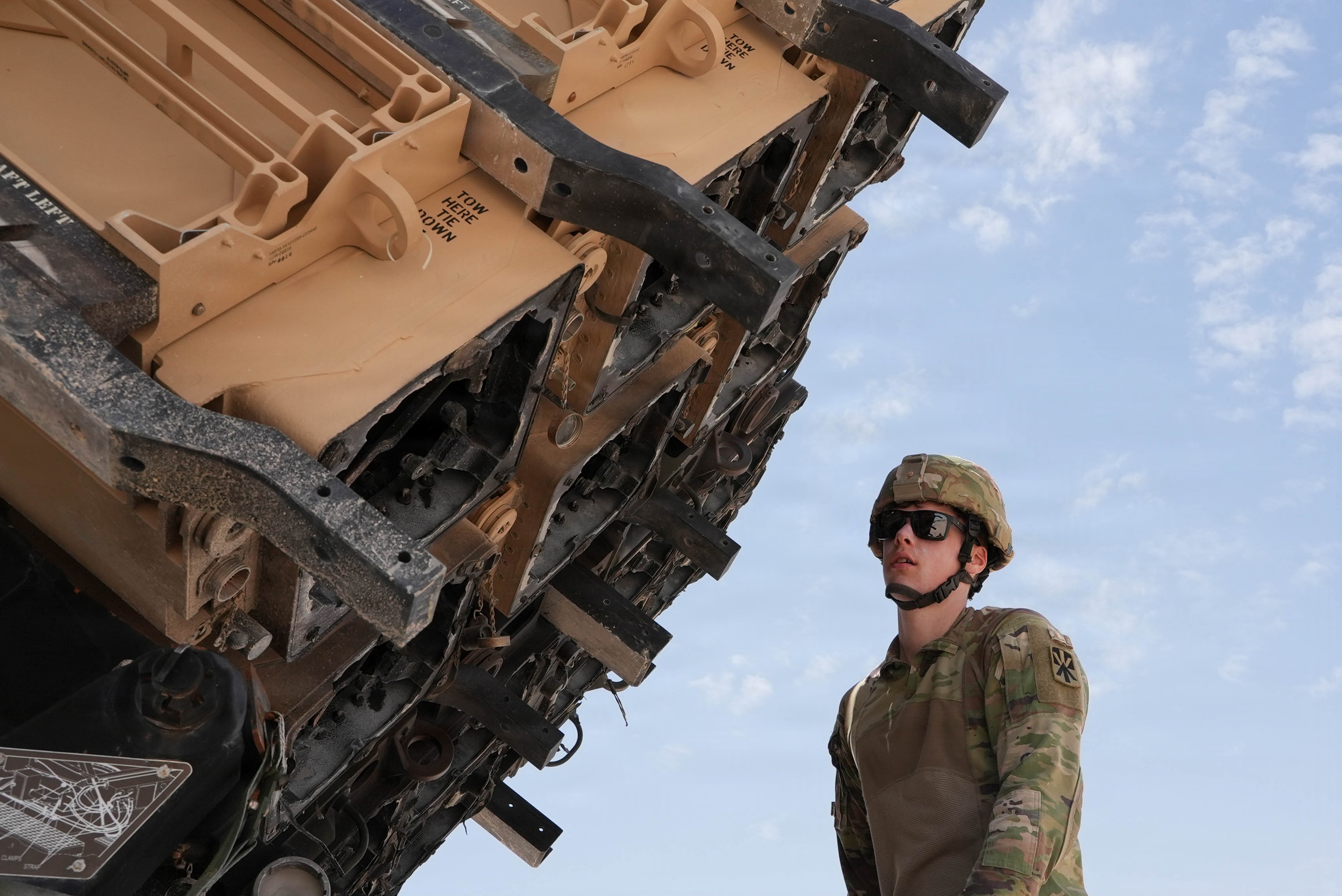
- Interceptor production is outpaced by wartime use: the U.S. took delivery of just 172 Patriot interceptors in FY2026, while burning through more than 1,000 in the Iran conflict.
- Zelensky wrote Trump this week urgently requesting interceptors after Russia struck Kyiv with 54 cruise, 30 ballistic, and 3 hypersonic missiles, writing: "there is hardly anything more painful to see than Patriot batteries with no missiles loaded."
- Taiwan is bracing for a potential Chinese invasion as soon as 2027 while sitting on a nearly $30 billion backlog of U.S. arms that includes Patriot interceptors; deputy foreign minister Chen Ming-chi warned Axios "it will be very difficult to resupply."
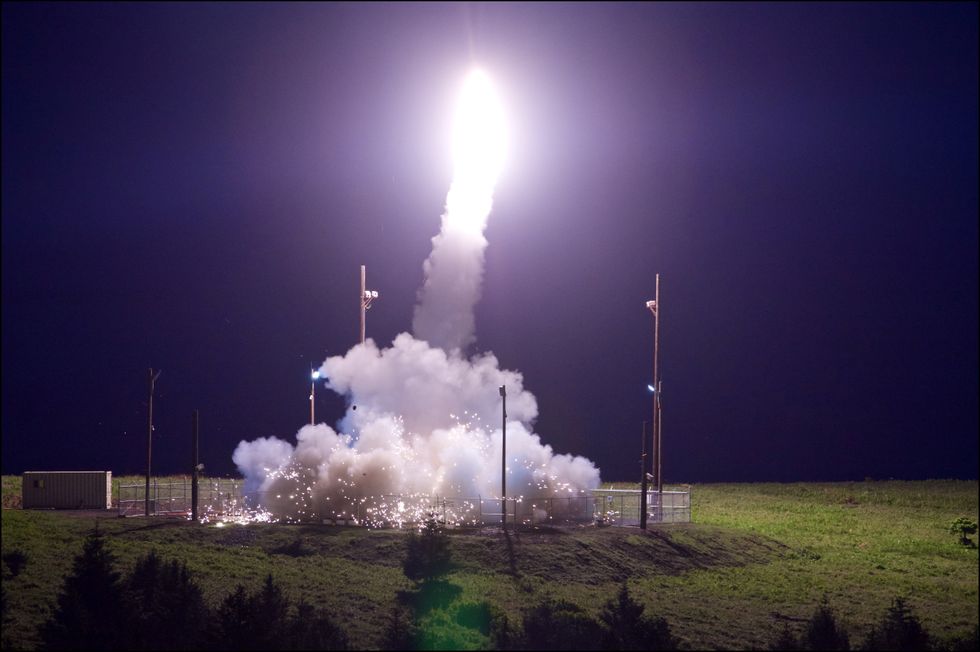
- Lockheed Martin, Boeing, and RTX have struck Pentagon deals to scale output: THAAD interceptors from 96 to 400 annually, PAC-3 MSE from 600 to 2,000, PAC-3 seeker production tripled, and SM-6 output pushed beyond 500.
- The Pentagon maintains it has preserved enough capability to defend the homeland and prosecute the Iran war, even as some high-end interceptors cost millions of dollars apiece.
Why it matters: The math is unforgiving: 172 interceptors delivered versus 1,000+ expended in one war means Ukraine and Taiwan are functionally deprioritized until at least 2029. Zelensky is already sounding alarms about defending energy infrastructure this winter, and Taiwan's $30 billion backlog now includes the very interceptors it would need to deter a 2027 invasion.
Ask SkimNews