Sulforaphane boosts frataxin in Friedreich ataxia cells — SkimNews
Get the Health newsletter
Daily health & science — research, biotech, public health, the studies worth knowing. Free.
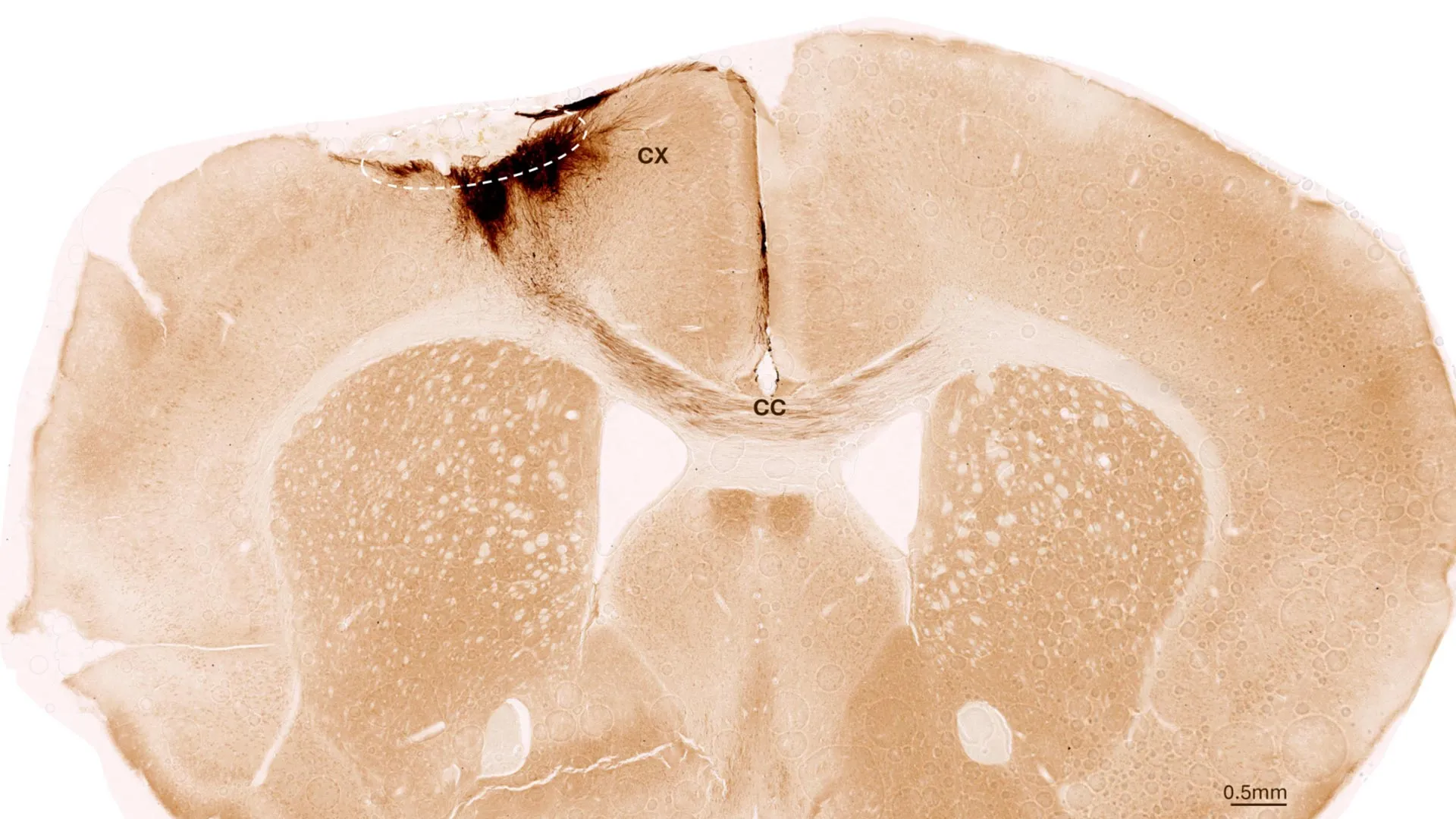
- Swinburne University researchers reported in Antioxidants (2026;45(13–15):561) that sulforaphane increased frataxin levels and protected vulnerable nerve cells in a preclinical study using induced pluripotent stem cell-derived sensory neurons.
- Sulforaphane can influence cellular stress and inflammation, according to research cited in the study; both processes are involved in Friedreich ataxia progression.
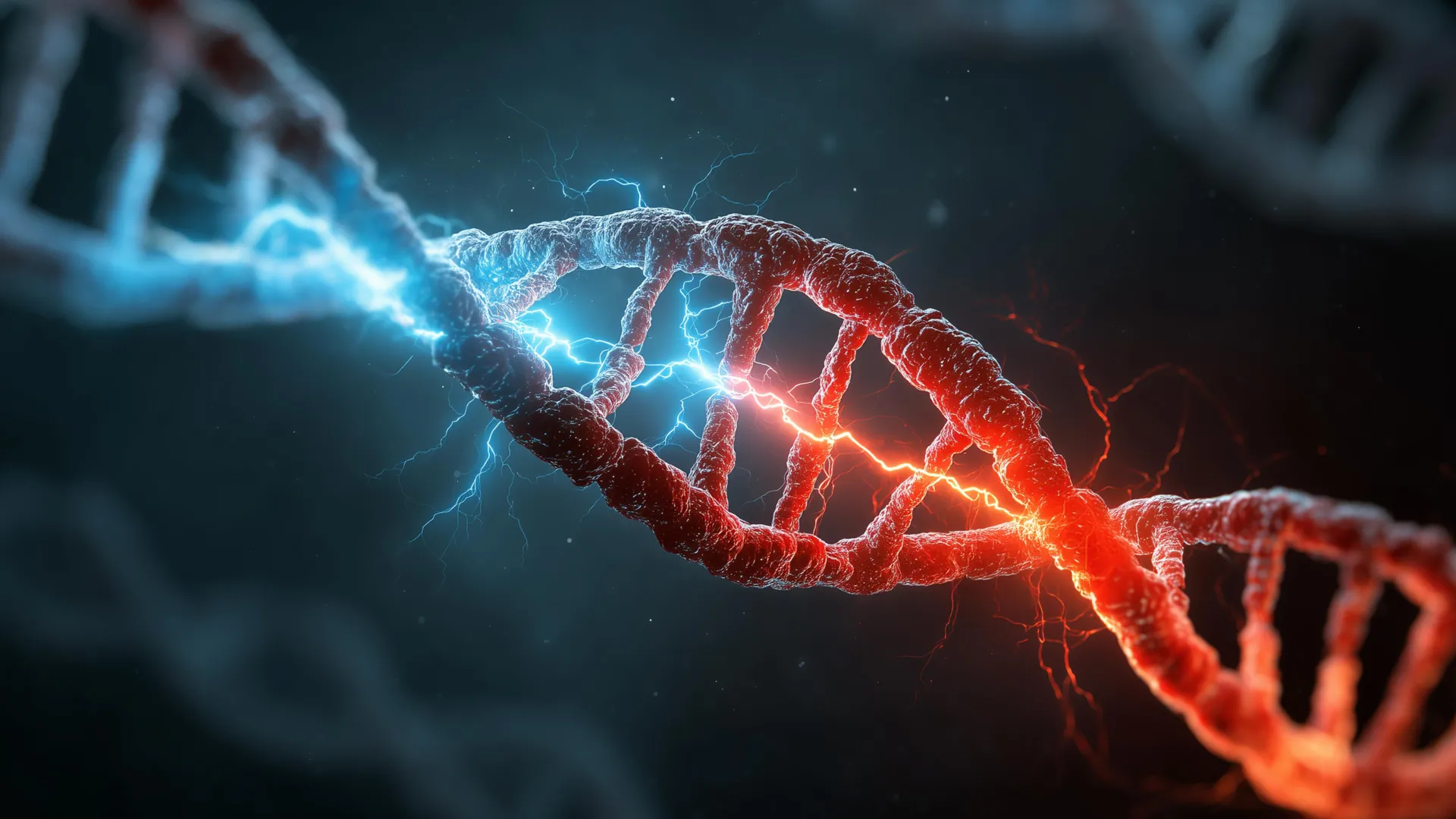
- Frataxin is an essential protein for keeping energy-demanding cells functioning, and the genetic defect behind Friedreich ataxia reduces its production, contributing to progressive nerve-cell damage.
- Friedreich ataxia has no cure, progressively erodes the ability to coordinate movements, walk and speak, can shorten life expectancy, and affects approximately 200 Australians.
- Faith Kwa said children account for a large proportion of Friedreich ataxia cases but have no treatments specifically approved for pediatric patients; her team is seeking funding to conduct clinical trials.
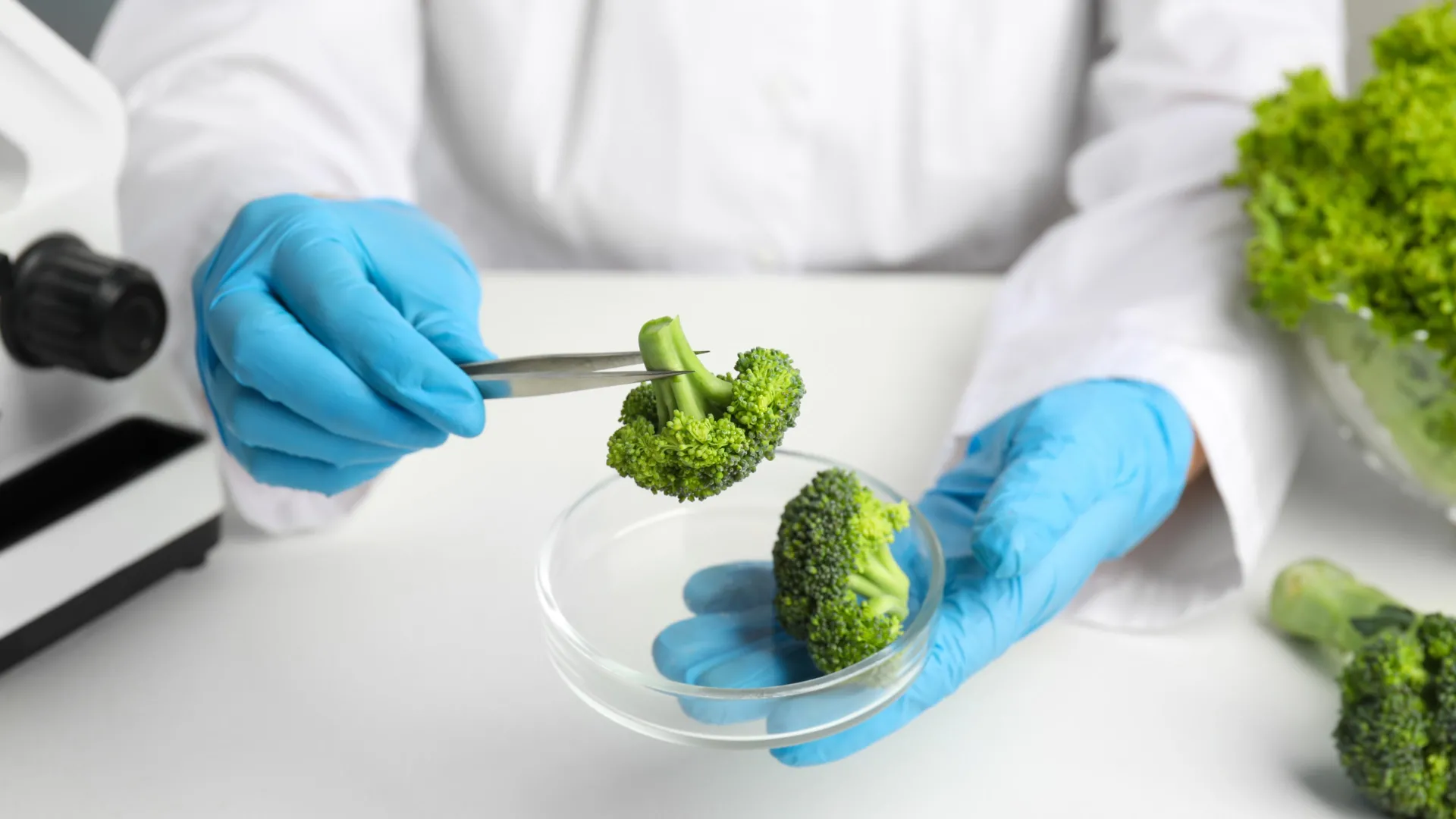
- Sulforaphane, a naturally occurring compound in broccoli, already has an established safety record in children and adults, and purified, biologically active forms are commercially available; the researchers said successful trials would accelerate the path to patient impact.
Why it matters: Children with Friedreich ataxia are the researchers’ stated focus: they make up a large share of cases despite having no treatments specifically approved for pediatric patients, while about 200 Australians live with the disease. Sulforaphane has an established safety record and a commercially available bioactive form, but patient efficacy remains unproven and clinical-trial funding is still needed.
Ask SkimNews