Mosquito Rectum Cells Use NPYLR7 to Stop Biting — SkimNews

Get the Health newsletter
Daily health & science — research, biotech, public health, the studies worth knowing. Free.
- NPYLR7 is a neuropeptide Y-like receptor in mosquitoes that, when activated, signals satiety after a blood meal, reducing the mosquito’s drive to bite humans.
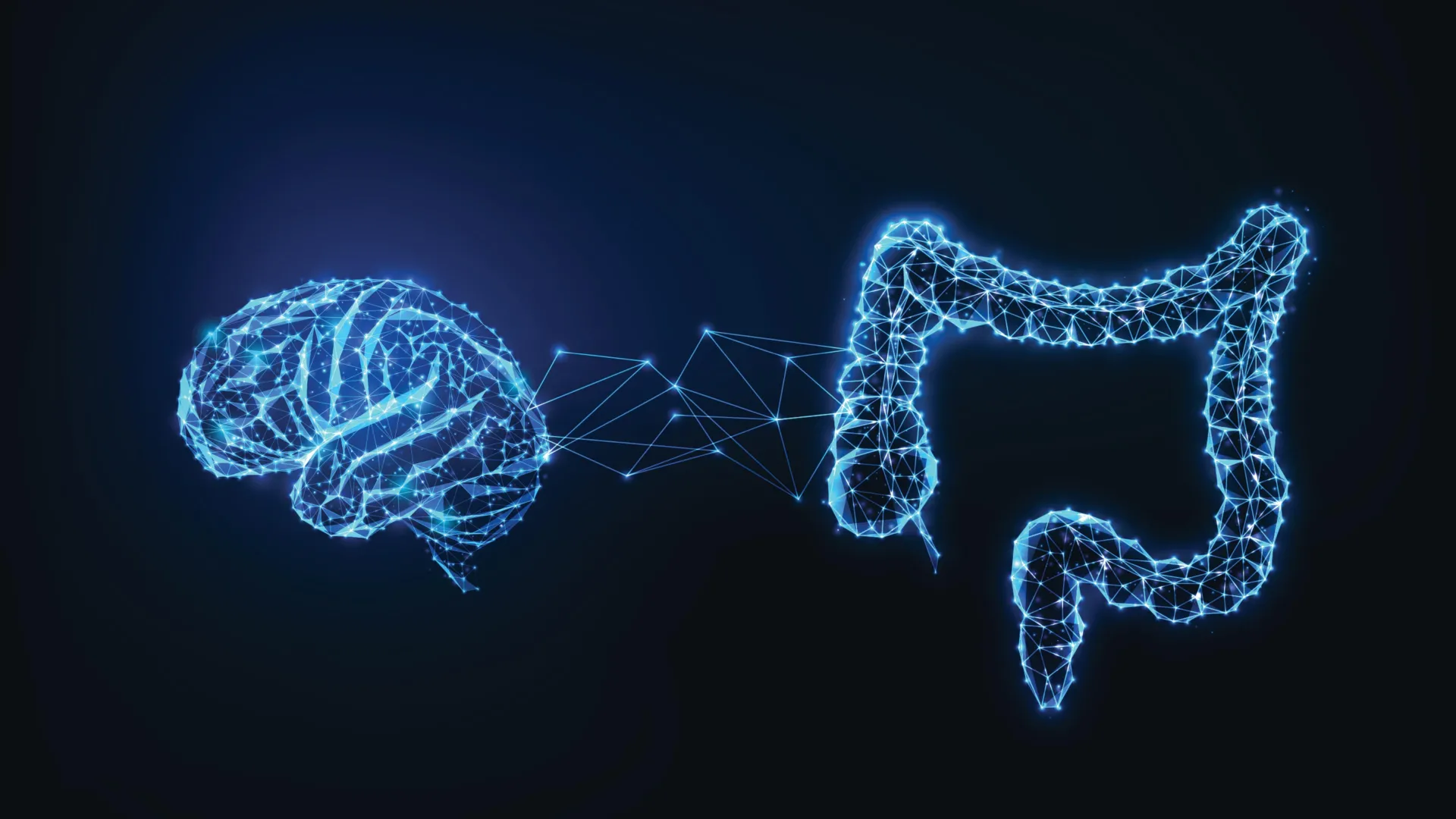
- Rectal cells in the mosquito gut express NPYLR7 and respond to the peptide RYamide released by nearby nerve cells, as shown by calcium imaging.
- Fluorescent calcium imaging revealed that activation of NPYLR7 triggers calcium spikes in rectal cells, which then appear to send signals back to the nervous system, behaving like neurons.
- Genetic knockout of NPYLR7 prevents the post‑blood‑meal satiety signal, causing mosquitoes to remain attracted to humans even after feeding.
- GLP‑1 agonists used for human weight loss are analogous to the mosquito gut peptides, highlighting a cross‑species role of gut‑derived signals in appetite regulation.
- Potential interventions could target the rectal NPYLR7 pathway, offering a more accessible means to block mosquito biting than targeting brain receptors.
Why it matters: By showing that rectal cells act like neurons and send satiety signals, the study opens a pathway to develop feeding‑based interventions that block NPYLR7, offering a more accessible and possibly scalable method to curb mosquito biting and the diseases they transmit.
Ask SkimNews