Johns Hopkins Mini-Brains Reveal Variable Alzheimer's Drug Responses — SkimNews
Get the Health newsletter
Daily health & science — research, biotech, public health, the studies worth knowing. Free.
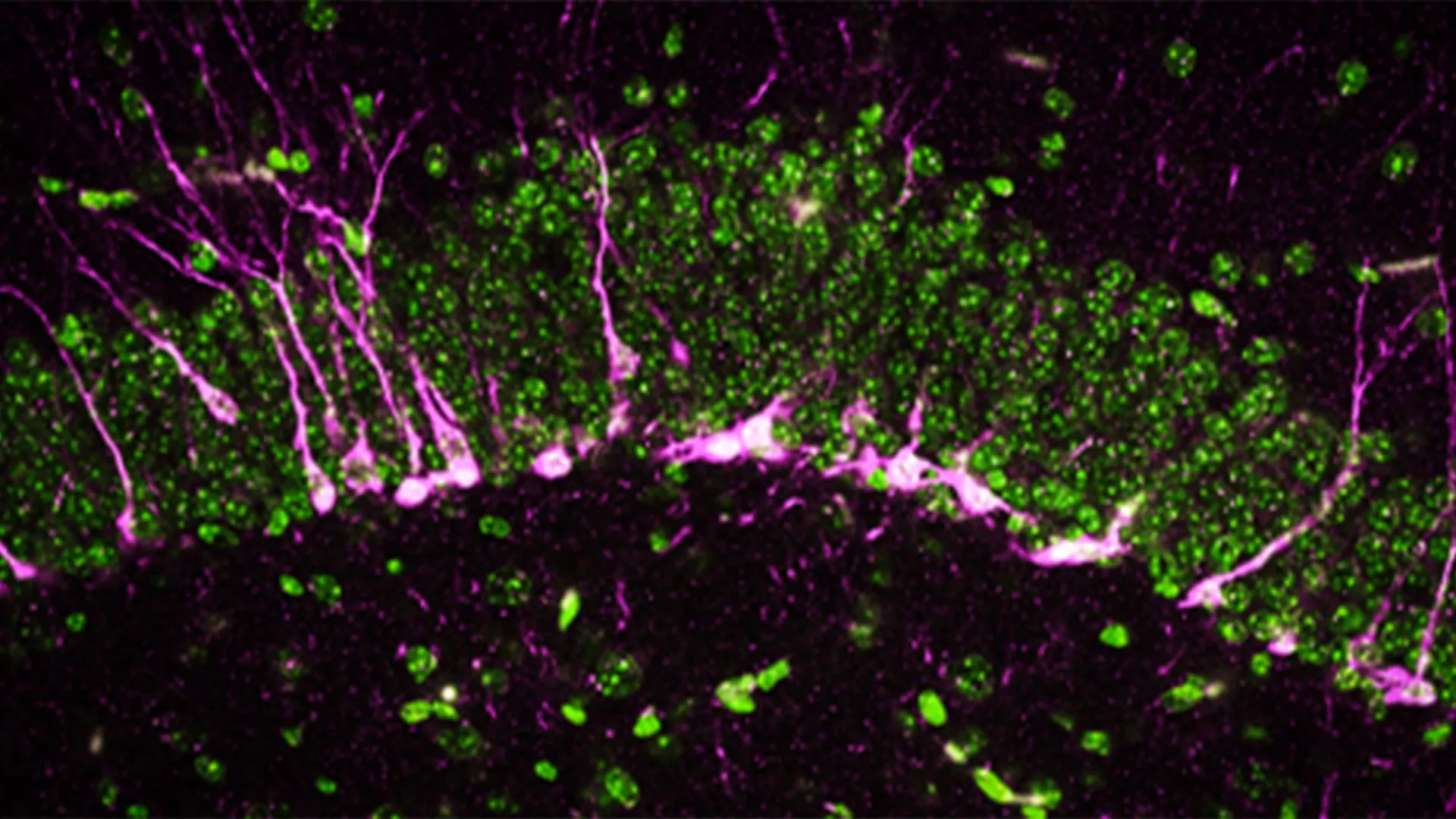
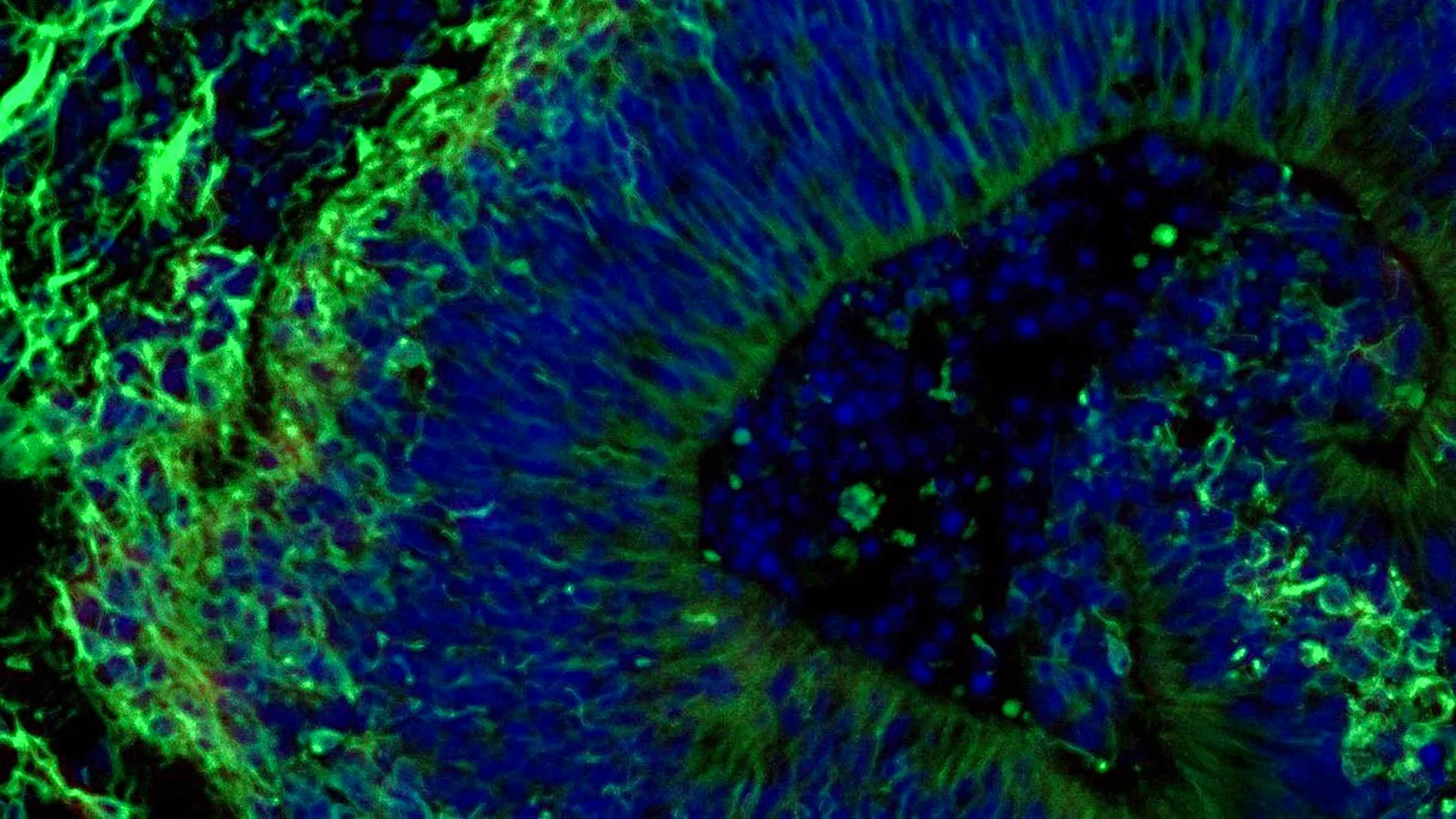
- Johns Hopkins scientists grew hundreds of pea-sized hindbrain organoids from induced pluripotent stem cells reprogrammed from Alzheimer's patients' blood, producing what lead researcher Vasiliki Machairaki calls one of the largest brain organoid studies conducted so far in Alzheimer's research.
- Vasiliki Machairaki and colleagues found that escitalopram oxalate, an SSRI antidepressant, boosted serotonin-signaling and synaptic proteins in some patient-derived organoids but produced little or no molecular response in others — mirroring the wide variability in how patients with Alzheimer's respond to these drugs.
- The organoids released extracellular vesicles carrying disease-relevant proteins, including RAB3A, NSF and ATCAY, which were present at lower levels in Alzheimer's-derived samples — a finding Machairaki says could eventually form the basis of a liquid biopsy to diagnose and stage the disease.
- The study, published in Alzheimer's & Dementia and funded by the NIH, the Paul G. Allen Frontiers Foundation and the Richman Family Precision Medicine Center of Excellence in Alzheimer's Disease, drew patient samples from the NIH-funded Johns Hopkins Alzheimer's Disease Research Center.
- Machairaki's team plans to build next-generation organoids that include immune cells and vascular-like networks, an upgrade meant to make the pea-sized tissues more closely resemble living human brain tissue.
Why it matters: Nearly all of the more than 7 million Americans with Alzheimer's develop neuropsychiatric symptoms treated with SSRIs, yet patient responses vary widely with no way to predict who will benefit. If validated, the organoid-plus-vesicle platform could sort patients into responder subgroups and convert extracellular vesicle signatures into a non-invasive diagnostic — turning a one-size-fits-all prescribing problem into something closer to precision medicine.
Ask SkimNews