Canada's Oil Expansion Bet Risks Value Destruction — SkimNews

Get the Energy newsletter
Daily energy & climate — solar, EVs, oil, the policy fights and tech bets shaping the transition. Free.
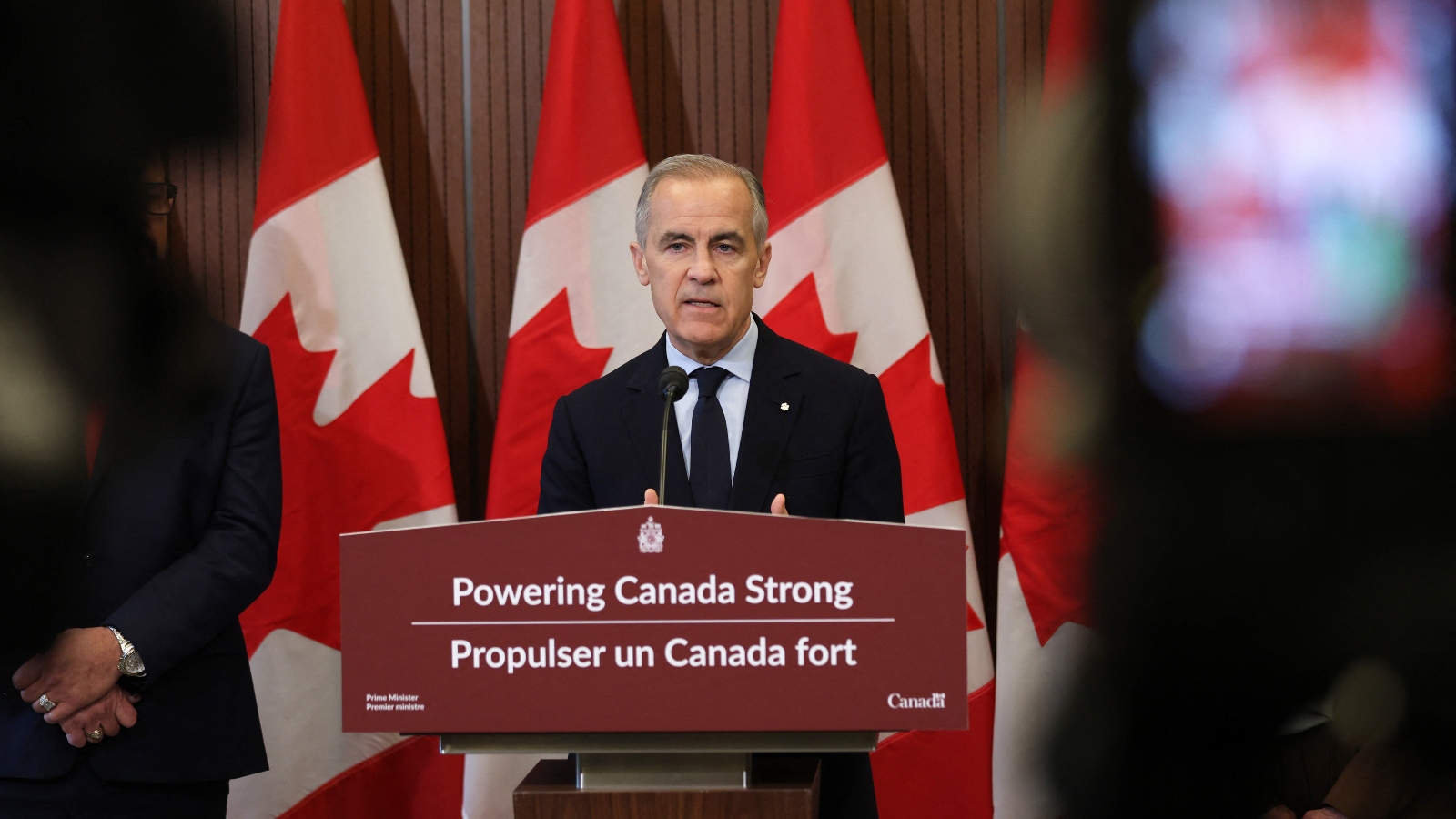
- Ottawa announced in August it would fast-track the West Coast pipeline proposal and push pension funds toward oil and gas infrastructure, framing expansion as 'nation-building' alongside the new Canada Strong Fund.
- Canada's Big Five banks remain top global oil and gas financiers, but diverged sharply in 2024-2025: RBC and Scotiabank dropped their 2030 emission targets while ramping expansion financing ~8% and ~2%, while CIBC, TD, and BMO cut such financing ~9%, 7%, and 20%.
- ARC Resources saw Big Five upstream expansion financing jump 80% to 670% per bank as non-Big Five banks cut their lending ~60% — despite CTI finding ARC's project portfolio faces ~60% potential value destruction under a fast transition scenario.
- Asia is electrifying five times faster than the West and adding renewable capacity faster than any other region, undermining the long-term oil and gas import demand that Canada's expansion strategy assumes.
- LNG markets face ~254 million tonnes of new supply by 2030 with futures prices falling to $10/MMBtu or below by 2028 — a level CTI says could render under-construction and proposed Canadian LNG projects uncompetitive.
- Canadian provincial governments face fiscal exposure of over 80% of expected upstream oil and gas revenue under a moderate-paced energy transition, per CTI's Petro-Provinces at Risk findings.
- Canada is committing capital to multi-decade oil and gas assets based on the extraordinary 2026 energy crisis market, when the financed infrastructure must withstand markets in the 2030s and 2040s that may look fundamentally different.
Why it matters: Canadian taxpayers, bank depositors, and provinces face cascading exposure from multi-decade oil bets tied to Asian demand growth that electrification is already undermining. With the Big Five ramping financing 80-670% for high-risk producers like ARC Resources — whose projects could lose ~60% of value under a fast transition — risks extend well beyond the energy sector.
Ask SkimNews