Algae-Cemented Dead Corals Are Blocking Moorea Reef Recovery — SkimNews
Get the Energy newsletter
Daily energy & climate — solar, EVs, oil, the policy fights and tech bets shaping the transition. Free.
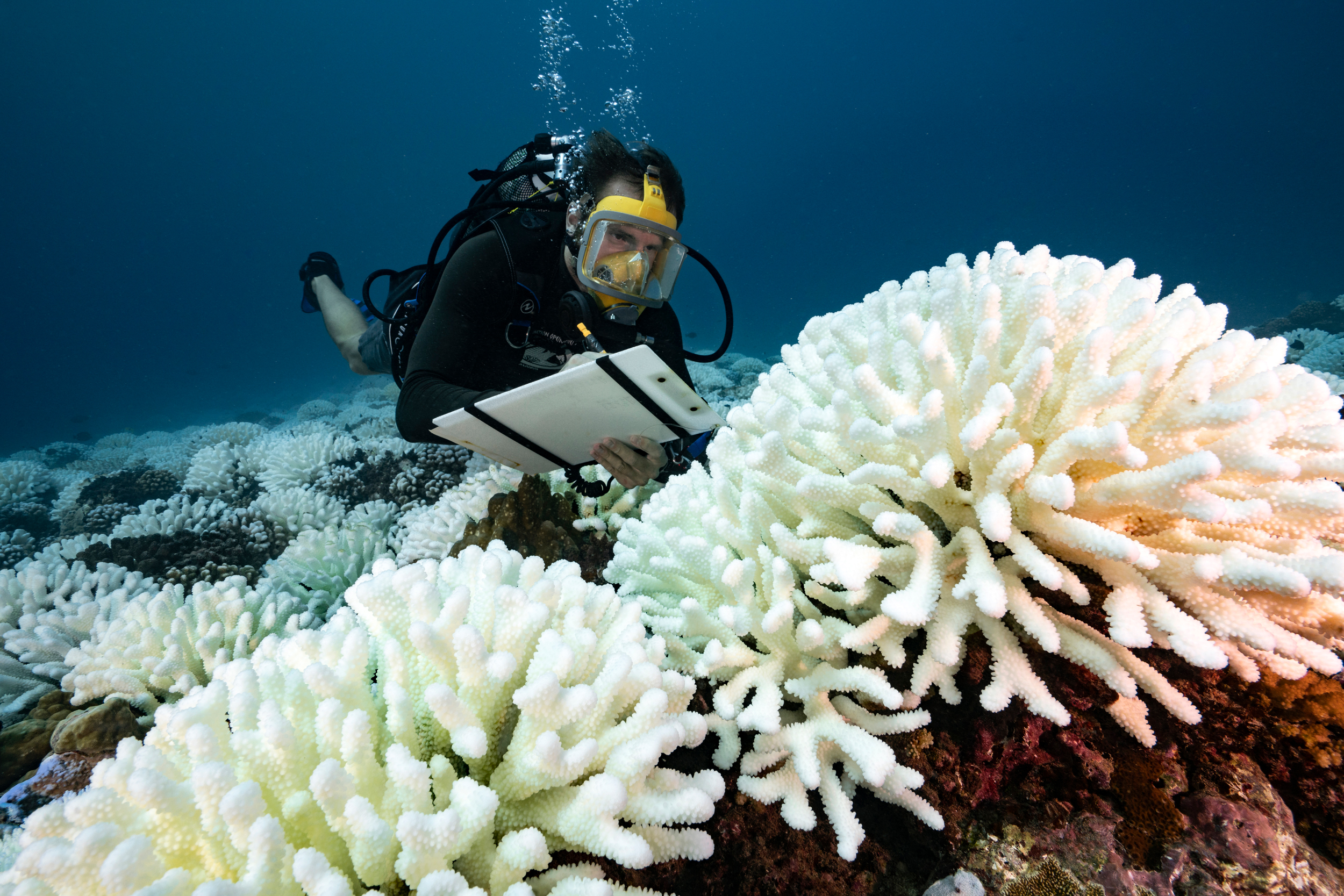
- A new PLOS ONE study documents a phenomenon never before seen in scientific literature: dead coral skeletons on Moorea's reef are being hollowed from within by microorganisms and structurally maintained on the outside by encrusting red algae, short-circuiting the natural cycle that allows reefs to recover.
- Lead author Kathryn Scafidi, then a PhD student, made the discovery in 2020 when she braced herself against a dead coral that snapped in her hand and was found to be entirely hollow inside — a finding her advisor, biologist Peter Edmunds of California State University Northridge, confirmed on the same dive after 40+ years of coral research.
- Geologist Bruce Fouke (University of Illinois) examined the samples under a $1.8 million microscope and determined that mollusks, fungi, and bacteria mined the calcium skeleton from within, while red algae formed what he called 'natural cement' on the exterior — producing enzymes, lipids, and proteins that make the surface an inhospitable substrate for settling baby corals.
- Moorea, located 2,700 miles south of Hawaii, is known within coral science as one of the world's most resilient reefs due to abundant upstream and downstream larval sources — making the failure of recovery after the 2019 bleaching event a troubling departure from established patterns.
- Coral Gardeners head of science Hannah Stewart described diving the affected reef and counting only three live corals in 45 minutes, calling the scene 'shocking' and a stark reversal of the reef's historical comeback capacity.
- The research team found anecdotal evidence of the same hollowing-and-scaffolding process on nearby islands, and the study's authors say the phenomenon could be regional or global — potentially explaining why other reefs also fail to recover and offering a new target for restoration if the process can be interrupted.
Why it matters: Moorea has long served as a benchmark for coral recovery, with the 2019 bleaching event initially expected to follow the island's familiar cycle of die-off, storm-clearing, and regrowth. If this algae-cementing phenomenon is regional or global — as the team's anecdotal evidence from nearby islands suggests — it could explain why some reefs elsewhere also fail to recover despite intact larval supply, turning what scientists assumed were temporary setbacks into potentially permanent states of degradation.
Ask SkimNews