The Iran war is deepening the US energy crisis. A bad winter is ahead | Mark Wolfe — SkimNews

Get the Energy newsletter
Daily energy & climate — solar, EVs, oil, the policy fights and tech bets shaping the transition. Free.
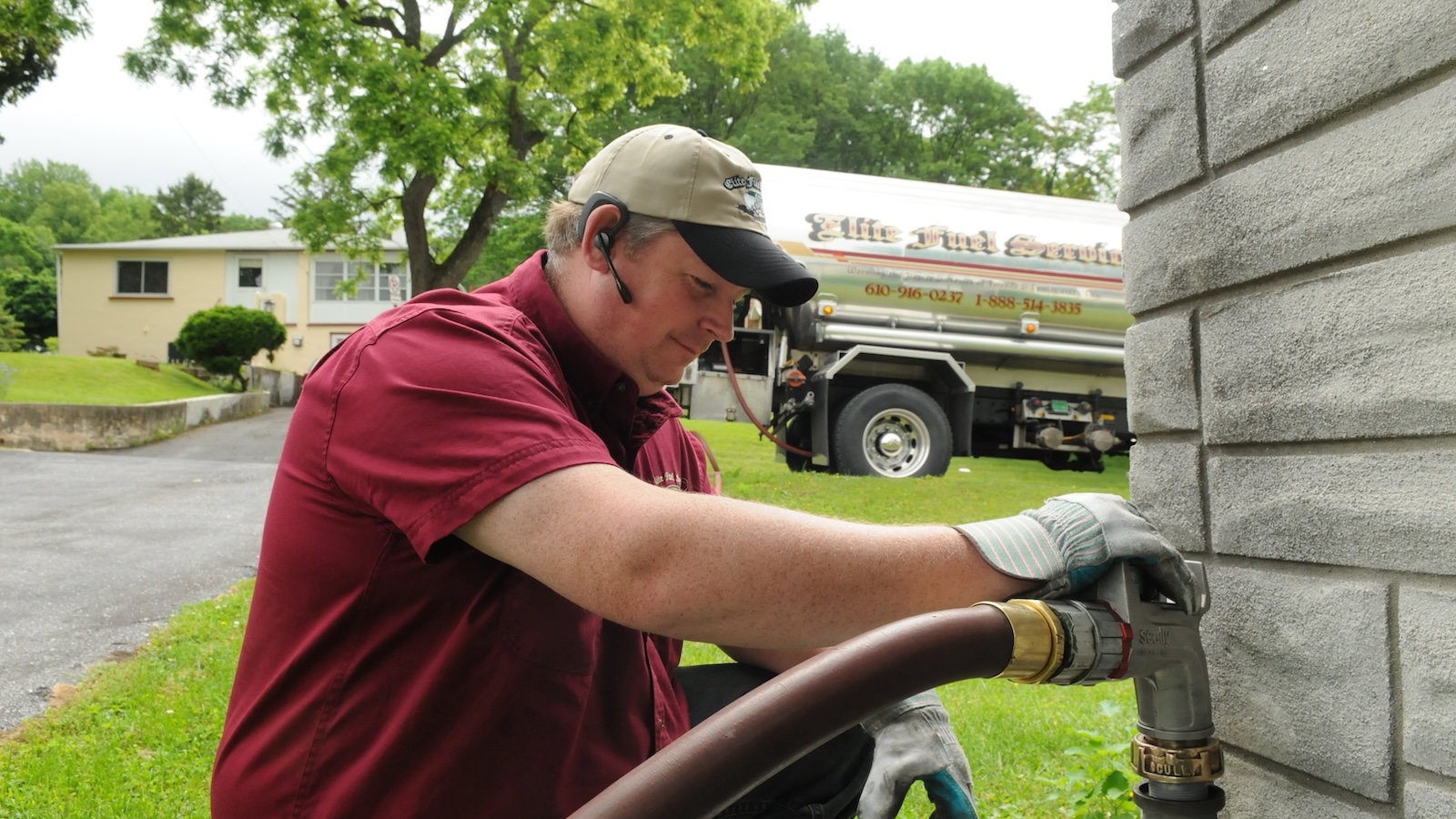
- Heating oil bills are projected to be 50% higher this winter, adding nearly $900 for households that rely on oil for heat, which they cannot reduce as easily as gasoline consumption.
- Neada research found electricity shutoffs in 10 states increased 28% over the past two years, with millions of Americans already falling behind on utility bills.
- Iran war disruption of global energy markets drove up heating-oil and diesel prices; the analysis says higher diesel costs feed into food transportation, deliveries, farming and construction expenses.
- Refineries would require repairs, shipping routes would need reopening and petroleum inventories would need replenishment even if the war ended immediately, a recovery process the analysis says can take months.
- Trump called war-driven oil prices “a very small price to pay for USA, and world, safety and peace” and predicted fuel prices would fall “like a rock” after the war; Wolfe contrasts that with an added $878 in heating costs for a low-income family.
- Neada is calling on Congress to add $3 billion to LIHEAP after the midterms and before winter, expanding supplemental heating-oil and electricity assistance while temporarily extending eligibility to struggling middle-class families.
- Consumer Reports found that more than one-quarter of families reduced home heating and cooling to uncomfortable levels to save money, while 19% cut back on groceries or switched to cheaper food.
Why it matters: Low-income and middle-class households cannot simply reduce heating-oil consumption, so a 50% increase adds nearly $900 before winter. The proposed $3 billion LIHEAP increase would let states cover higher heating-oil and electricity bills, while temporary eligibility expansion would reach working households left out of current aid.
Ask SkimNews