Middle Powers Caught as US, China Head to Summit — SkimNews
Get the Geopolitics newsletter
Daily geopolitics — wars, elections, sanctions, the diplomatic moves that move markets. Free.
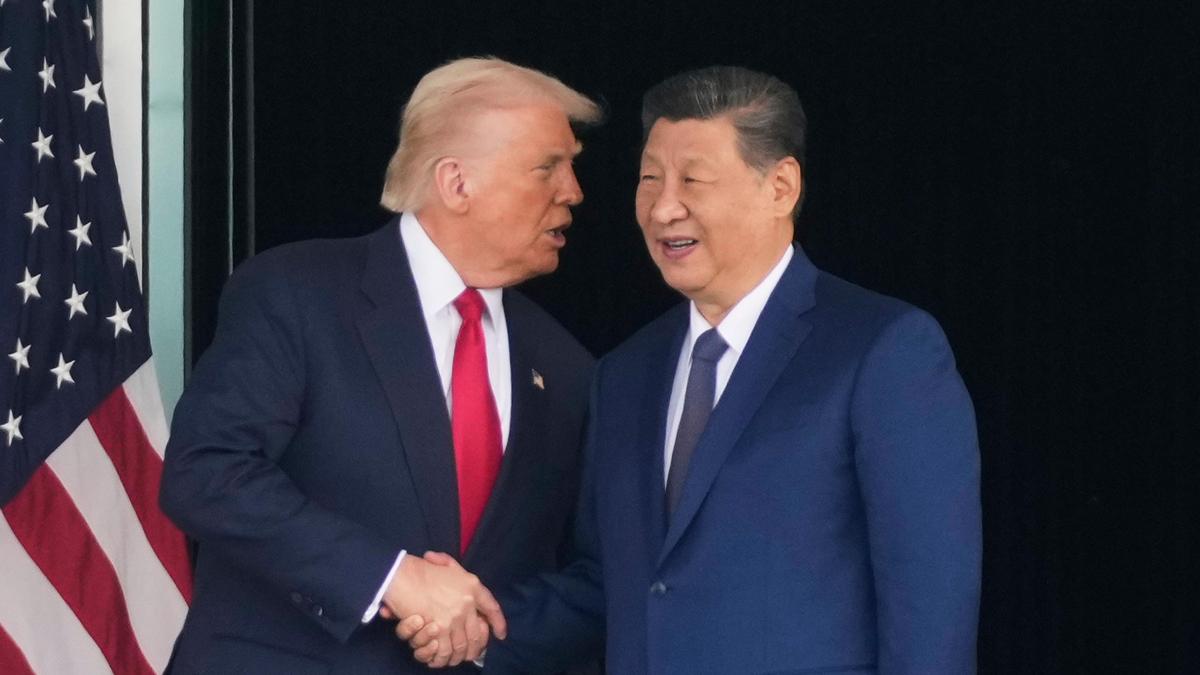
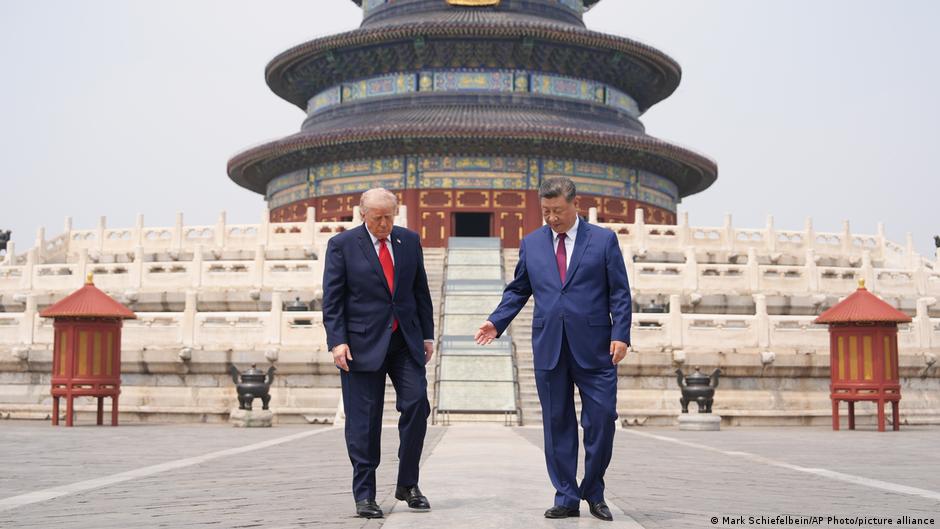
- Trump is set to host Xi at the White House this week — their second summit after a May Beijing meeting yielded no tangible results; Trump said 'we will discuss everything.'
- MERICS director Mikko Huotari framed the US-China dynamic as a 'strategic stalemate,' arguing that 'Xi really doesn't need a breakthrough in Washington. He needs more time.'
- EU Commission President Ursula von der Leyen declared a second 'China shock' is 'already here' — driven by Chinese advances in batteries, green energy, and mobility — while Brussels pushes new tariffs on Chinese EVs that VW and BMW oppose over fears of Chinese retaliation.
- Trump is simultaneously pressuring the EU to tighten tech and supply-chain restrictions on China while threatening new tariffs over Brussels' offer of 'associate membership' to Canada, calling the idea 'ridiculous.'
- Mark Carney has adopted 'variable geometry' diplomacy — cutting Chinese EV tariffs from 100% to 6.1% with a 49,000-vehicle quota after his early-2026 China visit — saying middle powers must work together because 'when we only negotiate bilaterally with a hegemon, we negotiate from weakness.'
- Xi has launched a charm offensive toward 'fragile' US allies, attending BRICS in India and SCO in Kyrgyzstan, with a December G20 summit in Miami and a potential November APEC in China on his calendar.
Why it matters: Middle powers are paying the price for US-China gridlock — von der Leyen warns of European 'deindustrialization' while Trump demands decoupling from China AND threatens tariffs over EU-Canada outreach. Carney's pivot from 100% to 6.1% EV tariffs shows how quickly middle powers can lean into Beijing when Washington grows unreliable.
Ask SkimNews