CTSA inhibitor sharply lowers LDL in mice — SkimNews
Get the Health newsletter
Daily health & science — research, biotech, public health, the studies worth knowing. Free.
- Ral was activated by high amounts of dietary cholesterol in experiments involving mice and human cells, triggering a chain that reduced available LDL receptors on liver cells and weakened LDL clearance from blood.
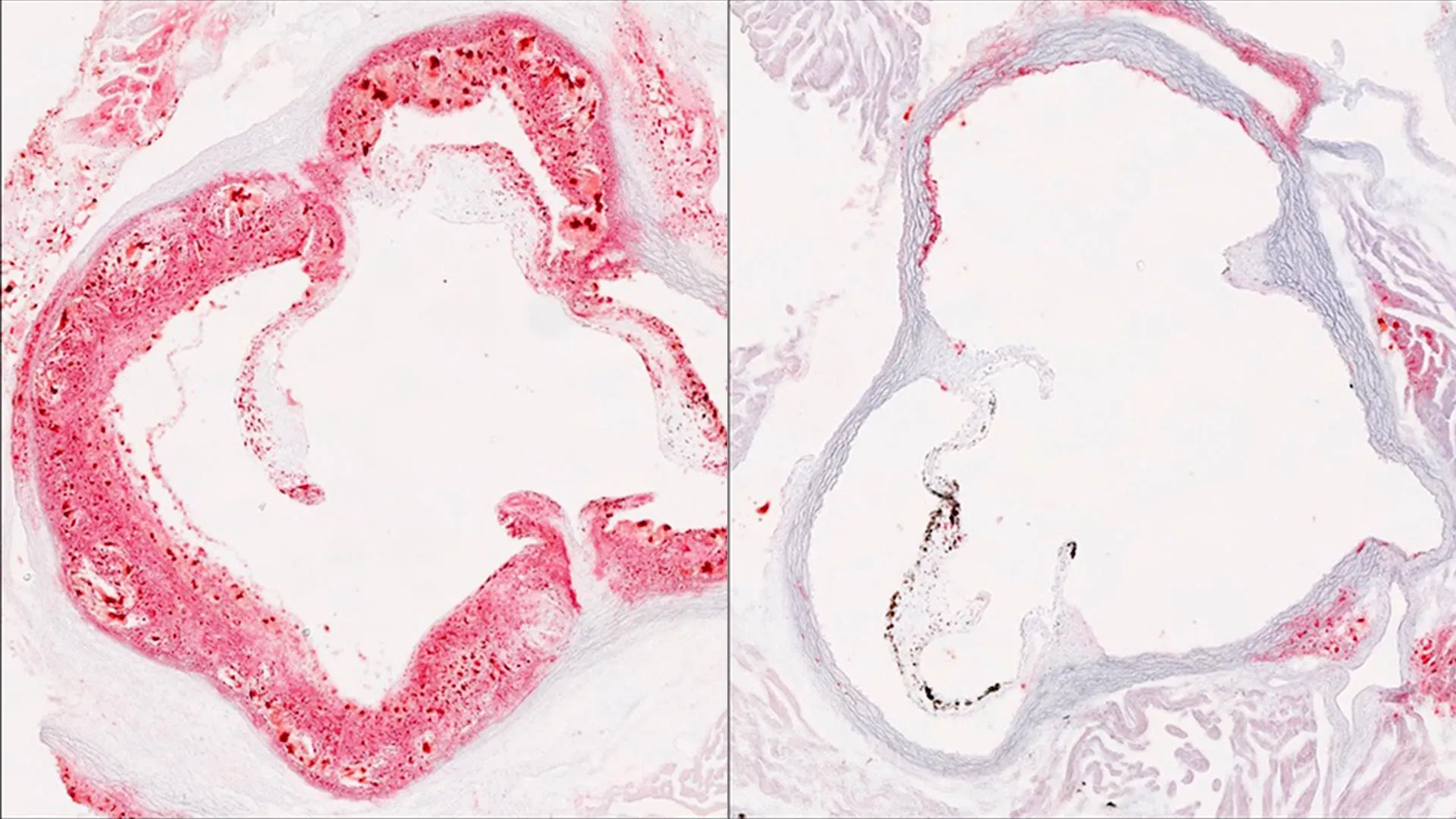
- CTSA was identified as a critical enzyme driving LDL-receptor depletion; a small-molecule inhibitor blocked it, stabilized the receptors, and dramatically lowered circulating LDL in mice.
- The CTSA inhibitor had already completed a Phase 1 clinical trial as a heart-failure candidate and was evaluated successfully for human safety before that development program was discontinued for strategic reasons.
- UC San Diego researchers proposed advancing the inhibitor into a Phase 2 cholesterol trial to test effectiveness in patients; it has not yet been shown to lower cholesterol in humans.
- Statins and PCSK9 inhibitors help maintain or increase the number of available LDL receptors, whereas the newly identified Ral–CTSA pathway reduces those receptors through a separate mechanism.
Why it matters: For patients who cannot reach safe cholesterol levels with statins or PCSK9 inhibitors, the separate Ral–CTSA pathway offers a distinct treatment target. The existing compound has cleared Phase 1 safety testing, but its ability to lower LDL in humans remains unestablished, leaving efficacy as the decisive next test.
Ask SkimNews