Short-necked oil beetle breeding again in Wales — SkimNews

Get the Energy newsletter
Daily energy & climate — solar, EVs, oil, the policy fights and tech bets shaping the transition. Free.
- Natural Resources Wales confirmed the short-necked oil beetle at the Castlemartin range in Pembrokeshire, rediscovering a species absent from Wales for nearly 60 years after 20th-century habitat loss drove it to the brink of extinction in Britain.
- Buglife reported the beetle at the Pembrokeshire site in 2020, but 2022 and 2025 surveys turned up only dead adults, raising concerns about whether the population remained viable.
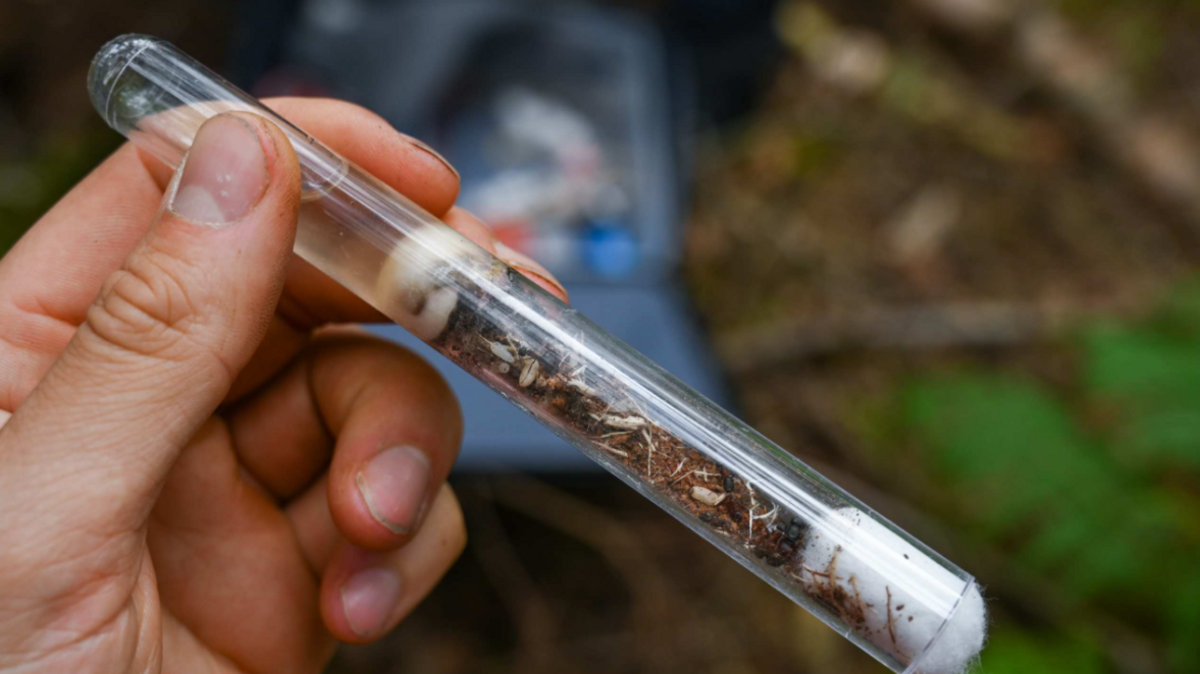
- The 2026 survey found larvae distributed in a pattern suggesting hatchlings from a larger batch of immature beetles had thrived — the first sign of breeding after two years without larval sightings.
- One in 10,000 larvae make it to adulthood, and NRW says only a handful of UK sites suit the beetle, which is classed as nationally rare.
- Solitary bees are essential to its life cycle: larvae use hook-like feet to snag onto bees and feed on pollen in the nest, while adults secrete an oily yellow-orange substance from their knee joints when alarmed and live about a year.
- Anna Hobbs, project delivery officer at the Bumblebee Conservation Trust, called the breeding evidence "very exciting" and said habitat management must account for the beetle and other species sharing the site.
- Natur am Byth, Wales's flagship species recovery programme, is backing the beetle project alongside conservation of the shrill carder bee, goldilocks aster and pale dog violet that share the same habitat.
Why it matters: For conservationists, the decisive detail is not the beetle's return but the larvae: after 2022 and 2025 surveys found only dead adults, evidence of breeding at Castlemartin justifies continued site management for the beetle and the solitary bees it depends on — plus the shrill carder bee, goldilocks aster and pale dog violet sharing that habitat.
Ask SkimNews