Rare beetle breeding in Wales after 60 years — SkimNews

Get the Energy newsletter
Daily energy & climate — solar, EVs, oil, the policy fights and tech bets shaping the transition. Free.
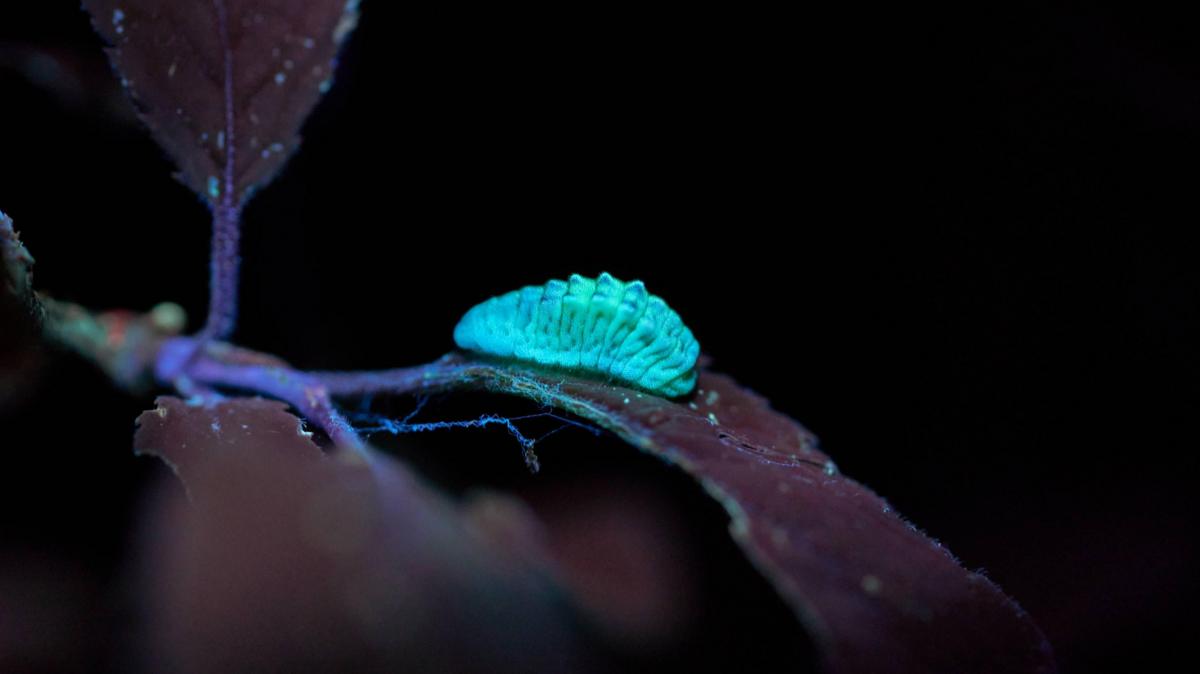
- Experts found Short-Necked Oil Beetle larvae at Castlemartin Range in Pembrokeshire after three years of searching — evidence that the species is breeding in Wales for the first time in 60 years.
- Surveyors at the same site had found only dead adult beetles in last year's survey, raising concerns about the species' future there.
- Natural Resources Wales said the number and distribution of larvae seen supported the conclusion that surveyors had located hatchlings from a larger batch of immature beetles.
- Anne Hobbs of the Bumblebee Conservation Trust called the find "very exciting" and said the recovery work must consider the needs of several species to be effective.
- Castlemartin Range, the only place in Wales where the species occurs, is surveyed regularly and sits within Wales's "flagship species recovery programme", run by Natural Resources Wales to conserve the beetle and other species sharing its habitat.
- Short-Necked Oil Beetle is classed as nationally rare in Great Britain and listed as vulnerable on the IUCN Red List; habitat loss left it unreported in the UK for almost 60 years after 1948, before rediscoveries in Devon in 2006, the Isle of Coll in 2009, and later Tiree, Islay, Barra and Uist.
- Solitary bees drive its lifecycle: larvae wait among flowers to be carried back to a bee's nest and eat the pollen collected there, so thick vegetation and dense flower cover are essential in coastal grassland and sand dunes, habitats where Natural Resources Wales says only a handful of UK sites suit the beetle.
Why it matters: Larvae, not a stray adult, make Castlemartin Range a breeding site again — the only one in Wales — and back continued management of the site's coastal grassland and sand dunes, where Natural Resources Wales says only a handful of UK locations suit the beetle. Hobbs adds that the same work must meet the needs of several other species sharing the habitat.
Ask SkimNews