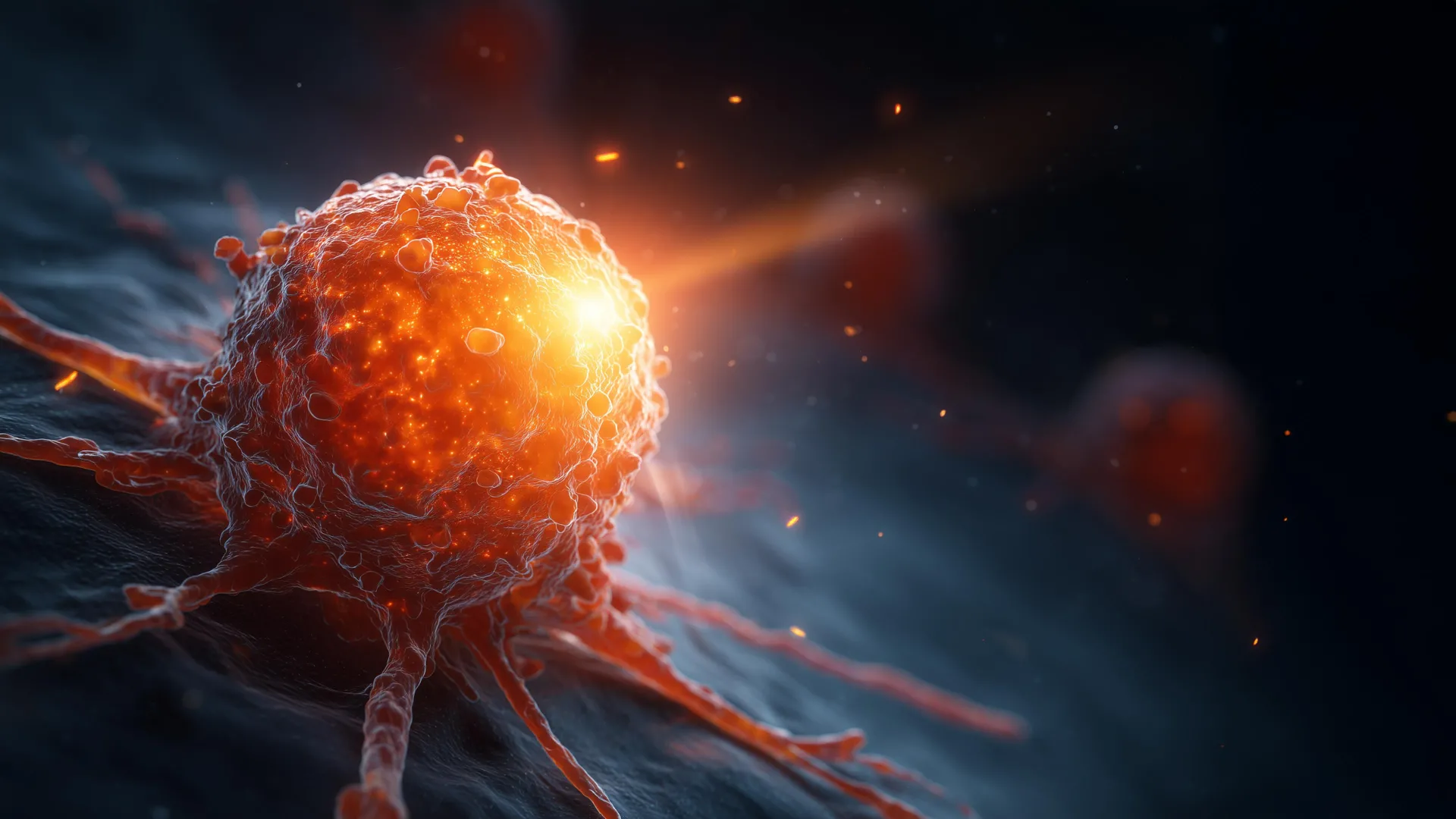
Breast cancer hijacks immune cells to build tumor nerves
Get the Health newsletter
Daily health & science — research, biotech, public health, the studies worth knowing. Free.
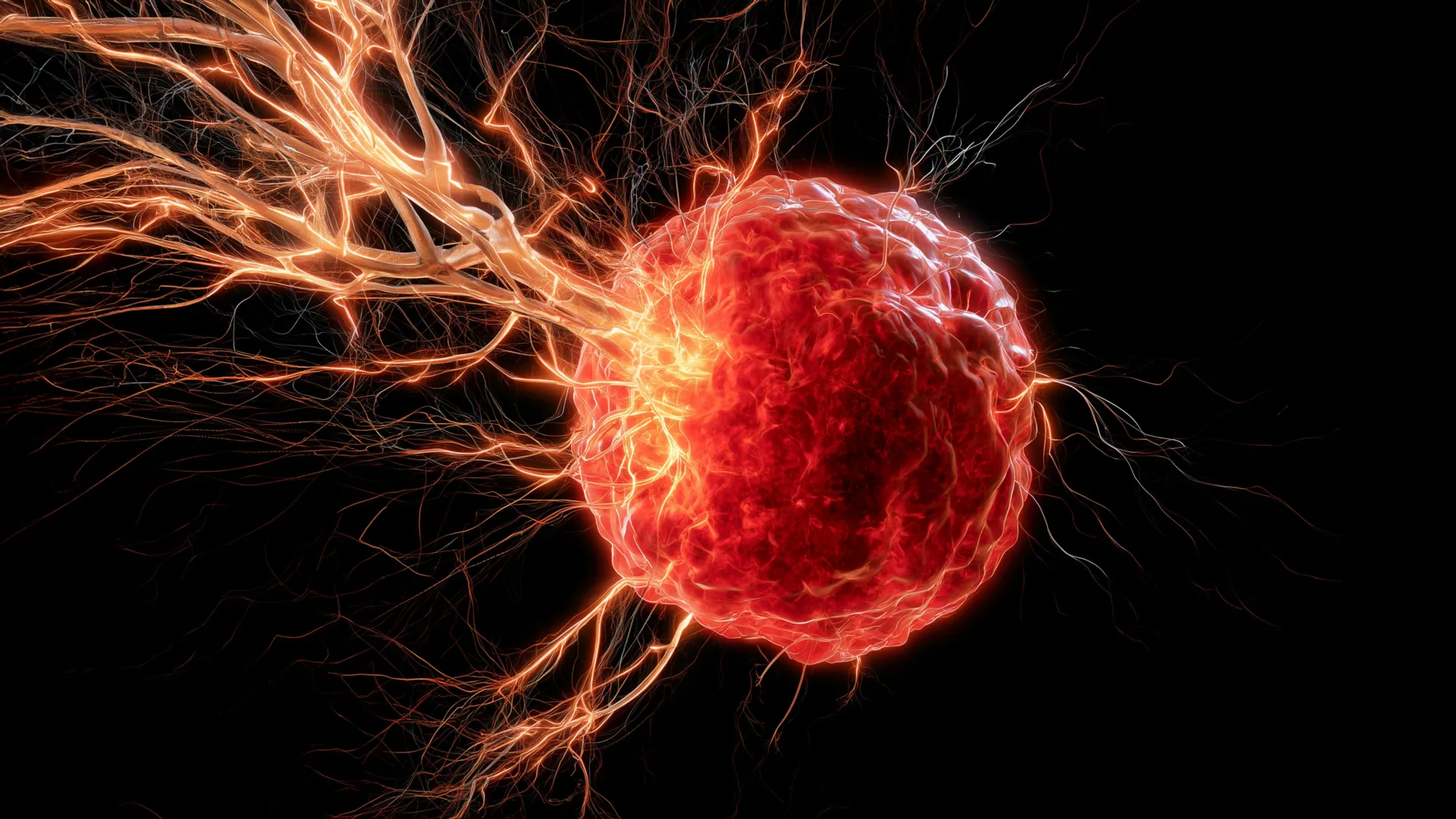
- University of Oklahoma researchers found that triple-negative breast cancer tumors recruit macrophages—immune cells that normally aid healing—and redirect them to release BDNF, a protein that draws nerves into the tumor.
- Maureen Cox, Ph.D., assistant professor of microbiology and immunology at OU College of Medicine, called macrophages the "critical source" for nerve recruitment into tumors, reversing their typical healing role.
- In mouse experiments, a BDNF-blocking drug already on the market stopped nerves from growing into tumors and significantly reduced tumor growth, the researchers reported in Cell Death & Differentiation.
- Analysis of triple-negative breast cancer patient tumor samples found that higher levels of macrophages and BDNF correlated with poorer survival outcomes.
- Cox's team plans to extend the same intervention to high-grade ovarian cancer, another aggressive cancer with limited treatment options.
- Researchers hypothesize the tumor nerve networks may be immunosuppressive and may serve as routes cancer cells use to leave the original tumor and metastasize.
Why it matters: The research identifies an already-marketed BDNF-blocking drug that slowed tumor growth in mice by cutting off the nerve network feeding the tumor. For triple-negative breast cancer patients—among the hardest to treat—the finding points to a repurposable therapy that could simultaneously choke the tumor's nerve supply and reactivate the immune response Cox's team says the nerves suppress.
Ask SkimNews