Cuba's solar trikes collect garbage amid US fuel blockade — SkimNews
Get the Energy newsletter
Daily energy & climate — solar, EVs, oil, the policy fights and tech bets shaping the transition. Free.
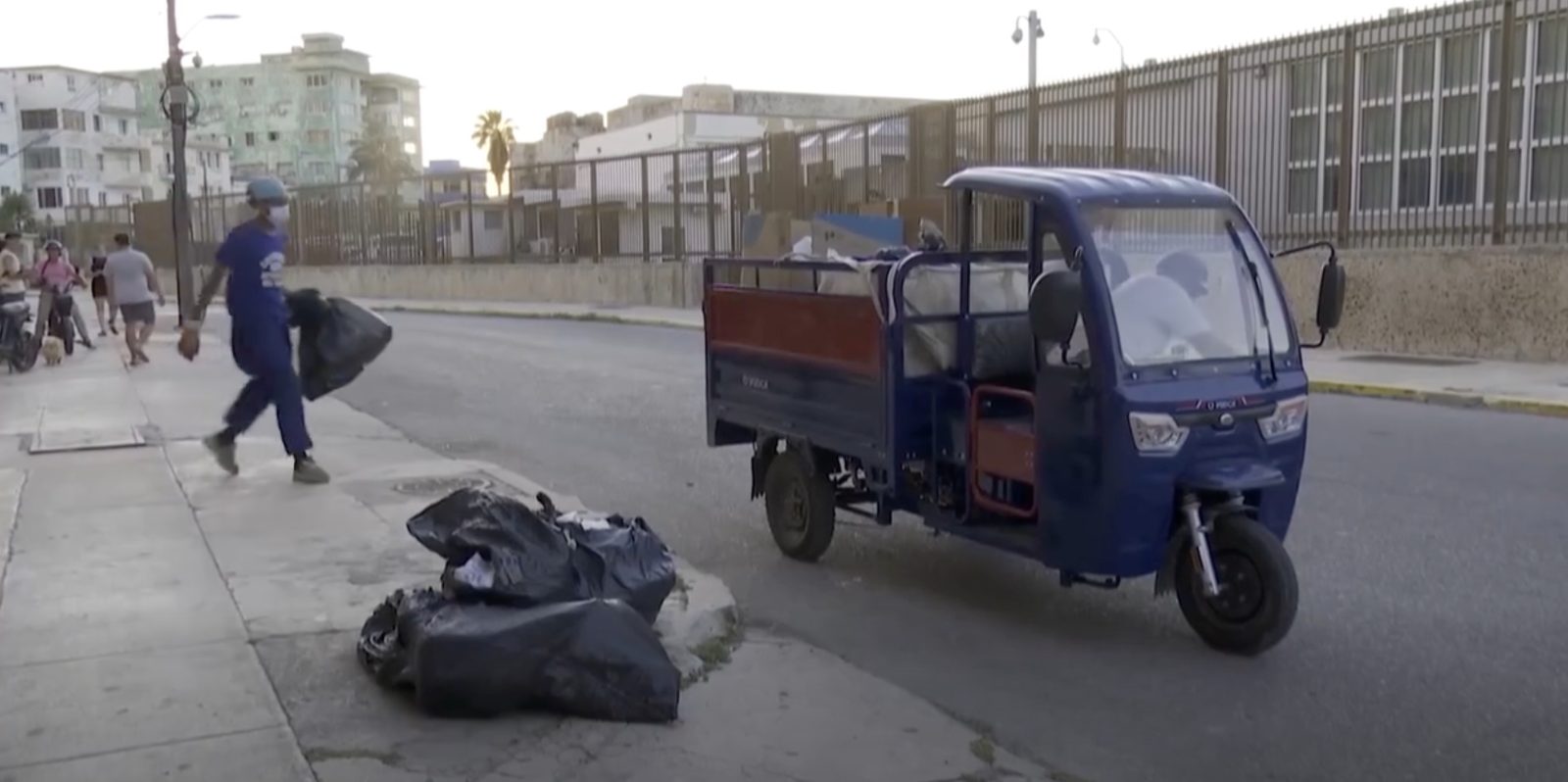
- El Rampeño launched in Havana's Vedado neighborhood using solar-powered electric tricycles, charging 100 pesos/month for homes and 15,000 pesos for businesses (against an ~5,000 peso average Cuban wage), with free service for "vulnerable people"
- The US fuel blockade on Cuba has sidelined more than half of Havana's garbage trucks, leaving trash piling up or burning in streets across the capital while straining food supply, electricity, and the medical system
- VEDCA (Vehiculos Electricos del Caribe), a joint venture between China's Tianjin Dongxing Industrial and Cuban state-owned Minerva, builds the tricycles at a factory west of Havana — each carries a 5.4kWh LFP battery, 30-44mi range, 600kg cargo capacity, and a 24mph top speed
- El Rampeño president Yasiel Hernández says the fleet has grown from 5 launch vehicles to 30 tricycles, with 10 currently running; streets in the service area were visibly cleaner within weeks of the project starting
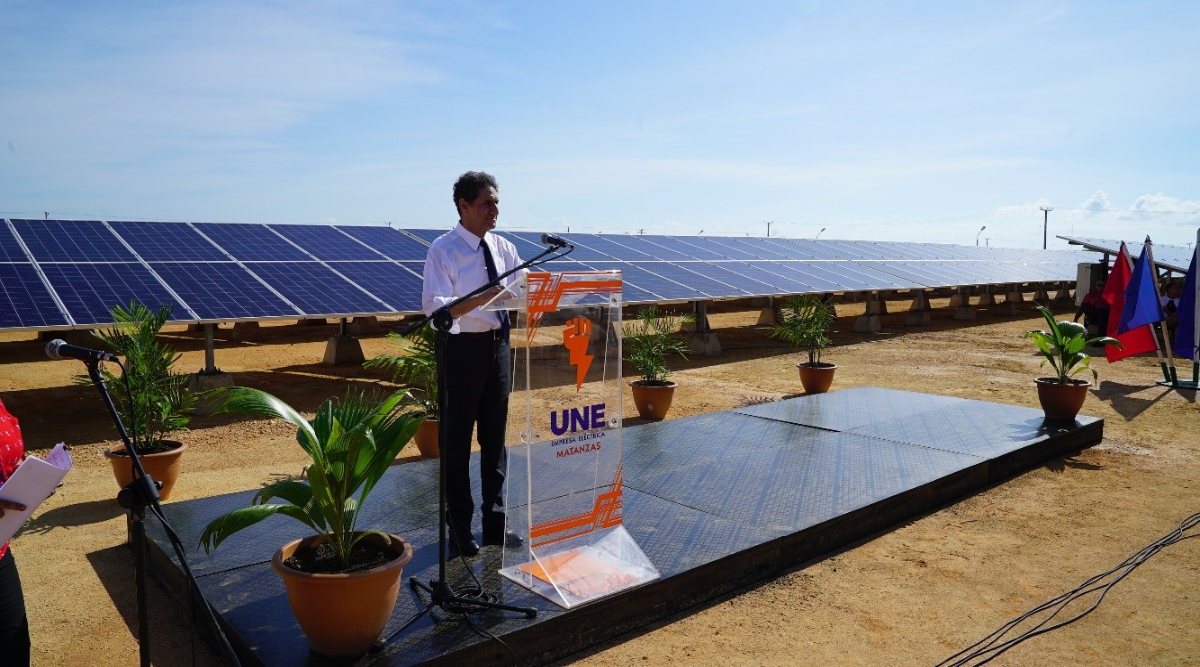
- Cuba previously turned to electric motorcycles during a 2019 fuel shortage and is now rapidly expanding solar power with Chinese help — the blockade pushing Havana toward Chinese-supplied clean-energy infrastructure
Why it matters: A private Havana startup running 10 of 30 Chinese-built solar tricycles has visibly cleaned streets in one Vedado neighborhood within weeks — demonstrating that decentralized, fuel-free micro-infrastructure can patch the gaps left by US sanctions, while Cuba simultaneously deepens Chinese partnerships to expand domestic power generation rather than waiting for the blockade to end.
Ask SkimNews