Tesla Pitches Cybercab Fleets to Outside Buyers — SkimNews

Get the Energy newsletter
Daily energy & climate — solar, EVs, oil, the policy fights and tech bets shaping the transition. Free.
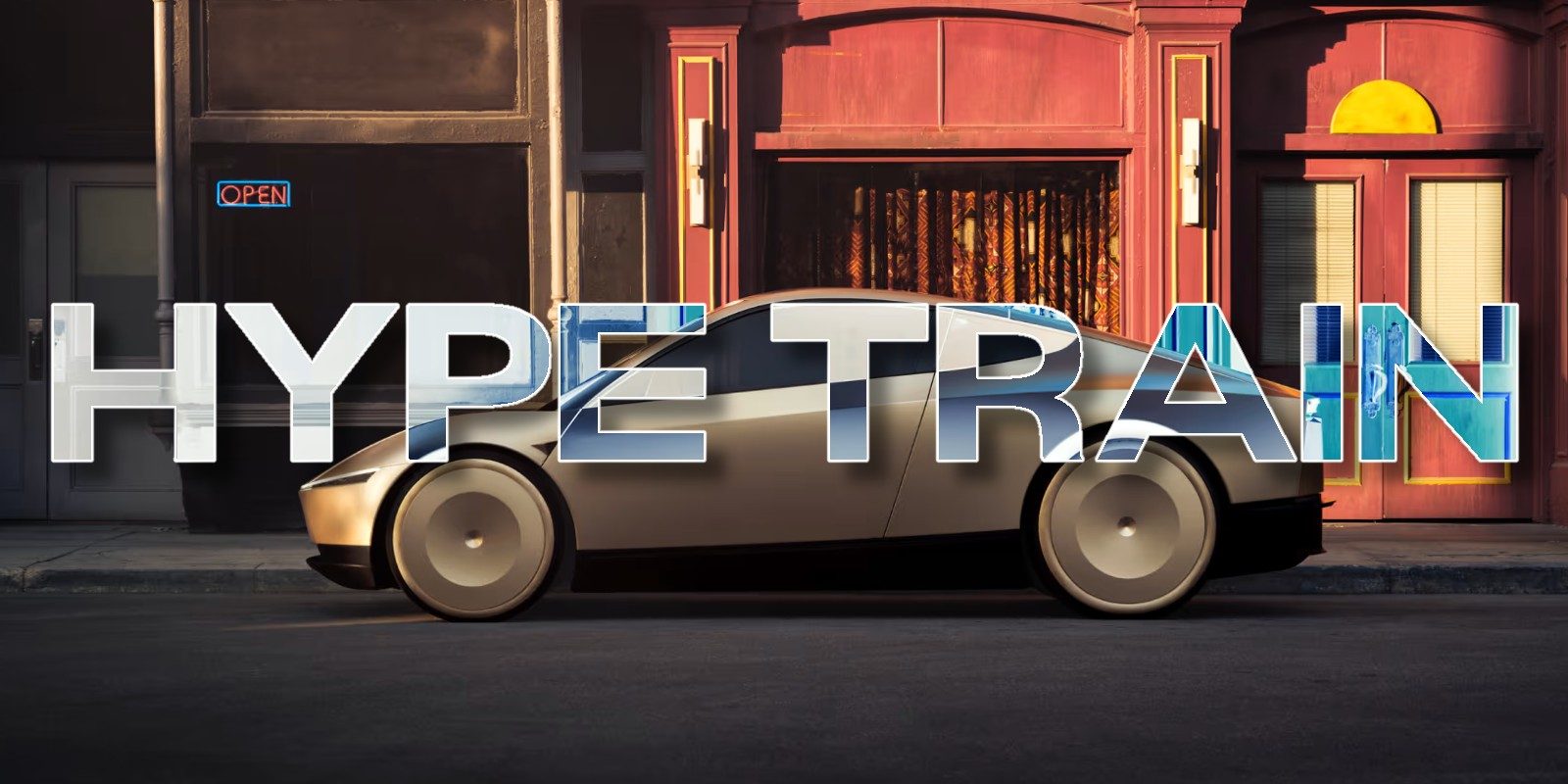
- Tesla circulated an interest form to fleet buyers at its September 3 Cybercab event, pitching "Cybercab fleet vehicle purchasing" in which companies buy the cars and run them on Tesla's Robotaxi network with revenue splits.
- Elon Musk told attendees at 2019's Autonomy Day that owners could earn up to $30,000 a year in gross profit per vehicle via the "Tesla Network" and called Teslas "appreciating assets" — neither outcome materialized.
- Tesla owners paid up to $15,000 for FSD on the promise of taxi income, and years later not one of them can run their car as a robotaxi while Tesla runs the service itself.
- MisterGreen, a Dutch leasing firm that bought more than 4,000 Teslas on those promises, went bankrupt in December 2025 and wiped out its bondholders, costing roughly $40 million.
- Electrek argues the pitch is a "tell": if Cybercab fleets were genuinely profitable, Tesla would run them itself rather than sell — selling shifts capex and depreciation onto buyers while Tesla retains the high-margin software and network revenue.
- Fleet buyers would compete directly against Tesla, which controls the Robotaxi network, software, dispatch, pricing, and revenue split, and could undercut operators, prioritize its own cars, or geofence them out.
Why it matters: Fleet buyers risk repeating MisterGreen's $40 million wipeout: Tesla controls the Robotaxi network, software, pricing, and revenue split, so operators carry the capex and depreciation while competing against the very platform they depend on. The structural imbalance — not the launch optics — is the real risk for anyone signing the interest form.
Ask SkimNews