Khamenei Funeral Held in Tehran After US-Israel War Killing — SkimNews

Get the Geopolitics newsletter
Daily geopolitics — wars, elections, sanctions, the diplomatic moves that move markets. Free.
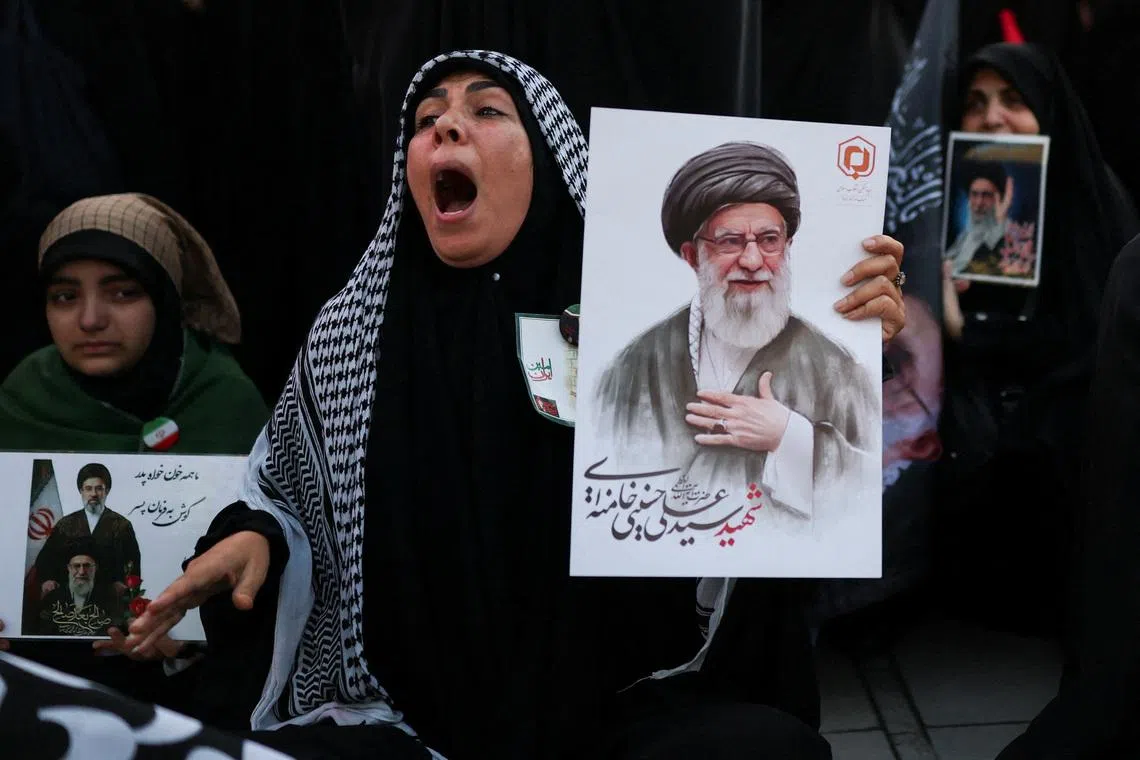
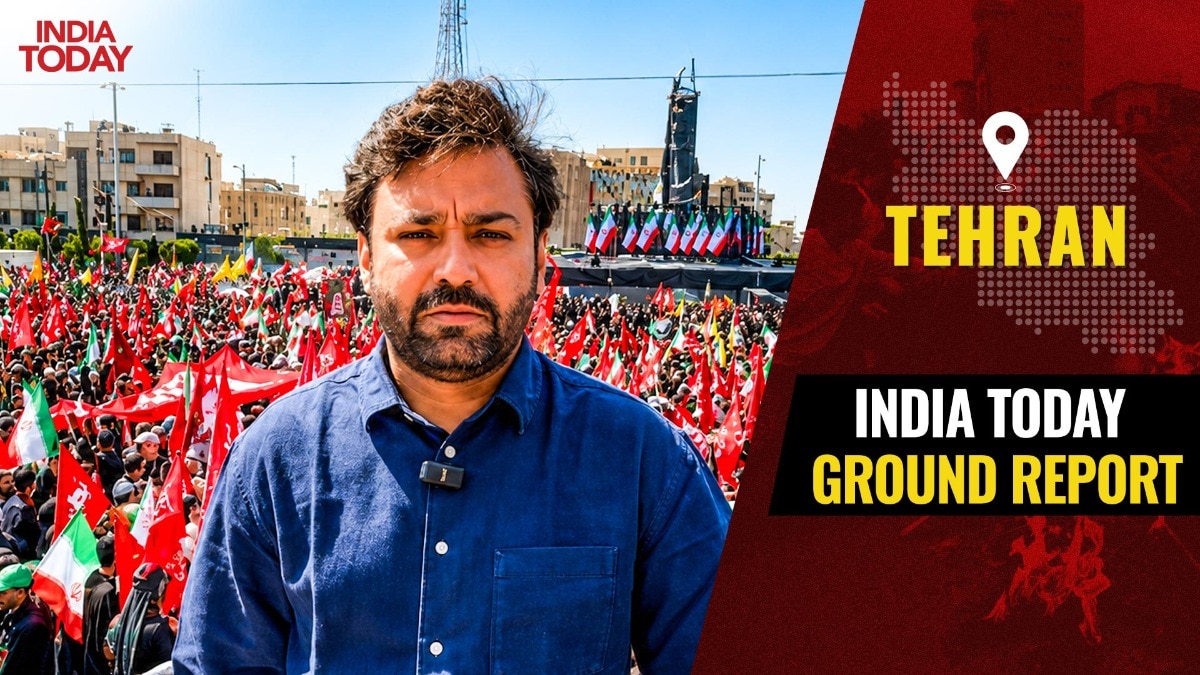
- Tens of thousands of mourners packed Tehran's Imam Khomeini Grand Mosalla on Saturday to view Ayatollah Ali Khamenei's coffin alongside those of his daughter, son-in-law, daughter-in-law, and 14-month-old granddaughter.
- Ayatollah Ali Khamenei was killed on February 28 in opening airstrikes of the US-Israeli war on Iran, in an attack that also injured his son and successor Mojtaba Khamenei, who has not been seen publicly since.
- The war killed more than 3,000 people, including many of Iran's senior politicians and military commanders, and destroyed military bases and major infrastructure projects causing billions of dollars in damage, though Iran's ruling system survived intact.
- Iran struck US bases in the region and reasserted control of the Strait of Hormuz, causing a spike in global energy prices that Trump cited as his motivation to push faster for peace.
- The interim ceasefire deal includes the unfreezing of billions in Iranian assets held abroad and waivers from financial sanctions that Iran's authorities describe as economic benefits flowing from a victory over a superpower.
- Trump told Axios that peace talks were paused for a week surrounding the funeral and that with Iran's leaders all gathered, Washington could take them all out with 'one shot,' but chose not to because 'we would have nobody to negotiate with'; he also said he was 'surprised' by mourners crying, suggesting 'maybe it's fake tears.'
- Weeks before the war, hundreds of thousands of Iranians demonstrated against the government in a violent crackdown that killed thousands, but there has been no public sign of such dissent since the US and Israeli attacks began.
Why it matters: Trump publicly halted peace talks during the funeral and acknowledged the gathering gave Washington a one-shot opportunity to decapitate Iran's leadership that it chose not to exploit — a restraint that buys Iran's clerical rulers symbolic room while the interim deal unfreezes billions in assets and Tehran retains control of the Strait of Hormuz.
Ask SkimNews