Subaru is spending nearly $10,000 per vehicle to sell its new EVs — SkimNews
Get the Energy newsletter
Daily energy & climate — solar, EVs, oil, the policy fights and tech bets shaping the transition. Free.
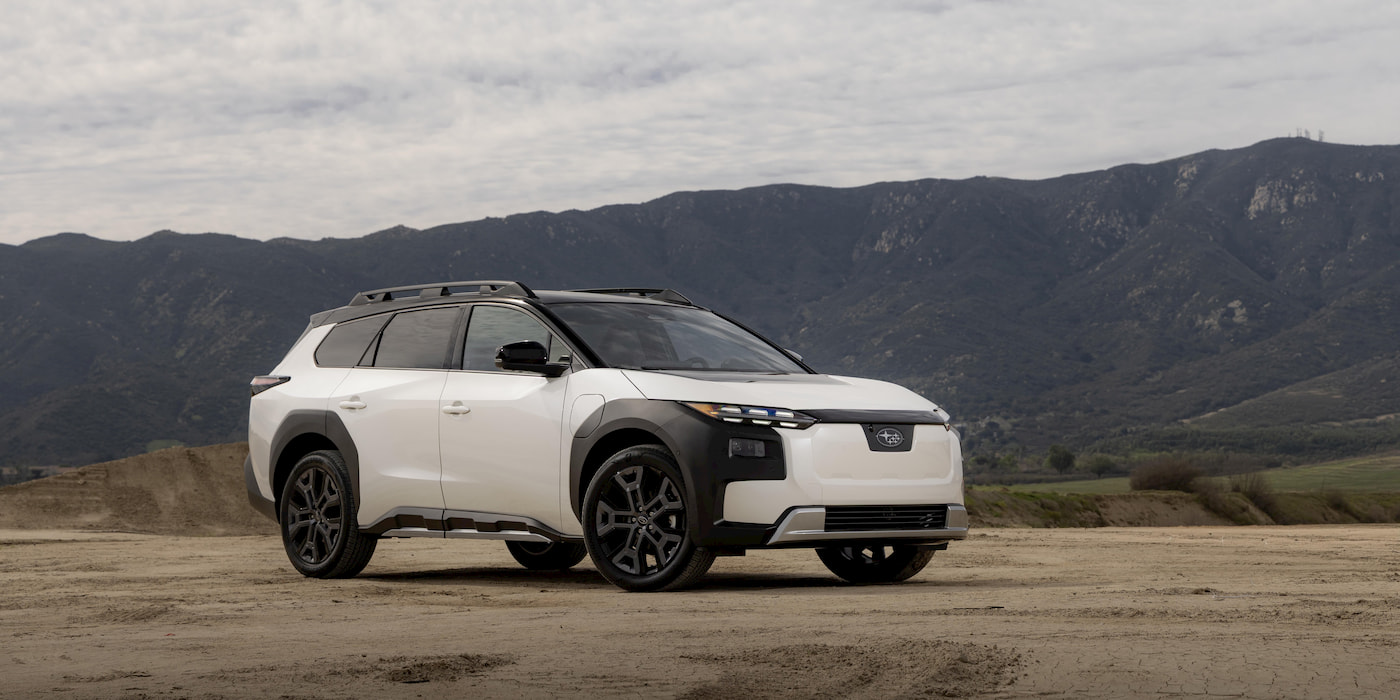
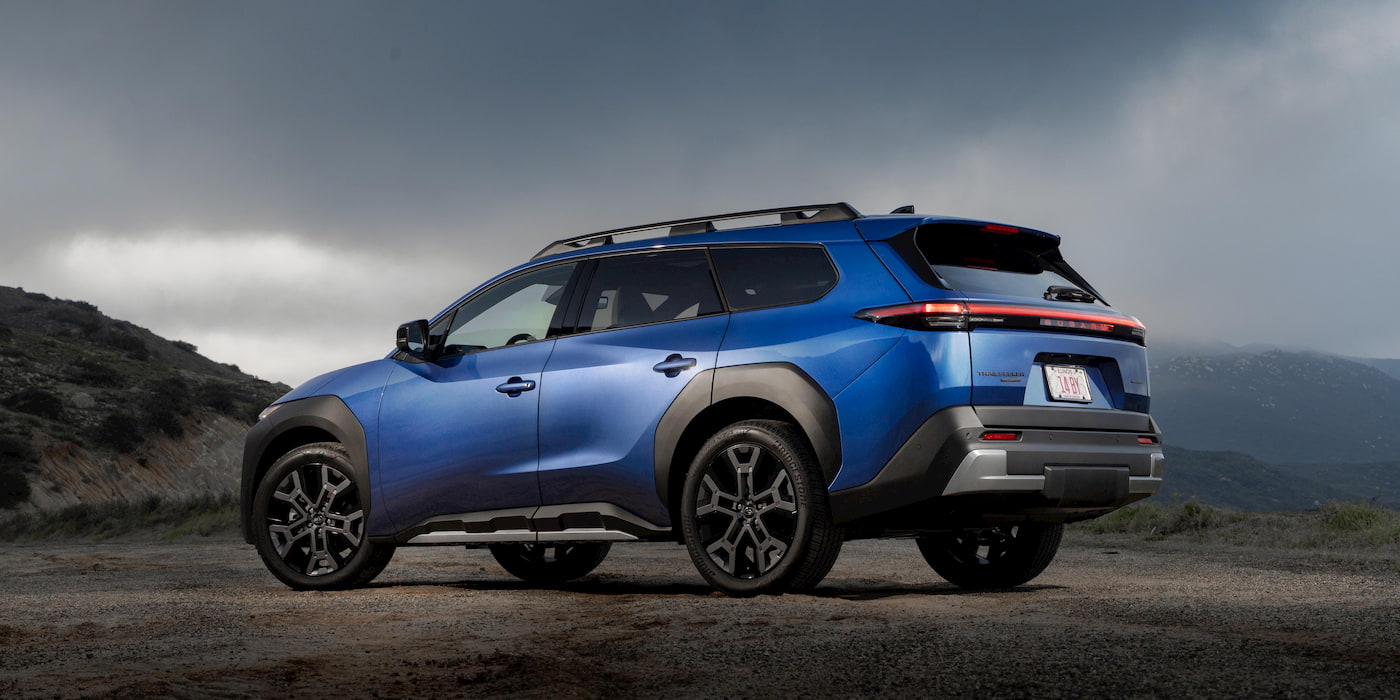
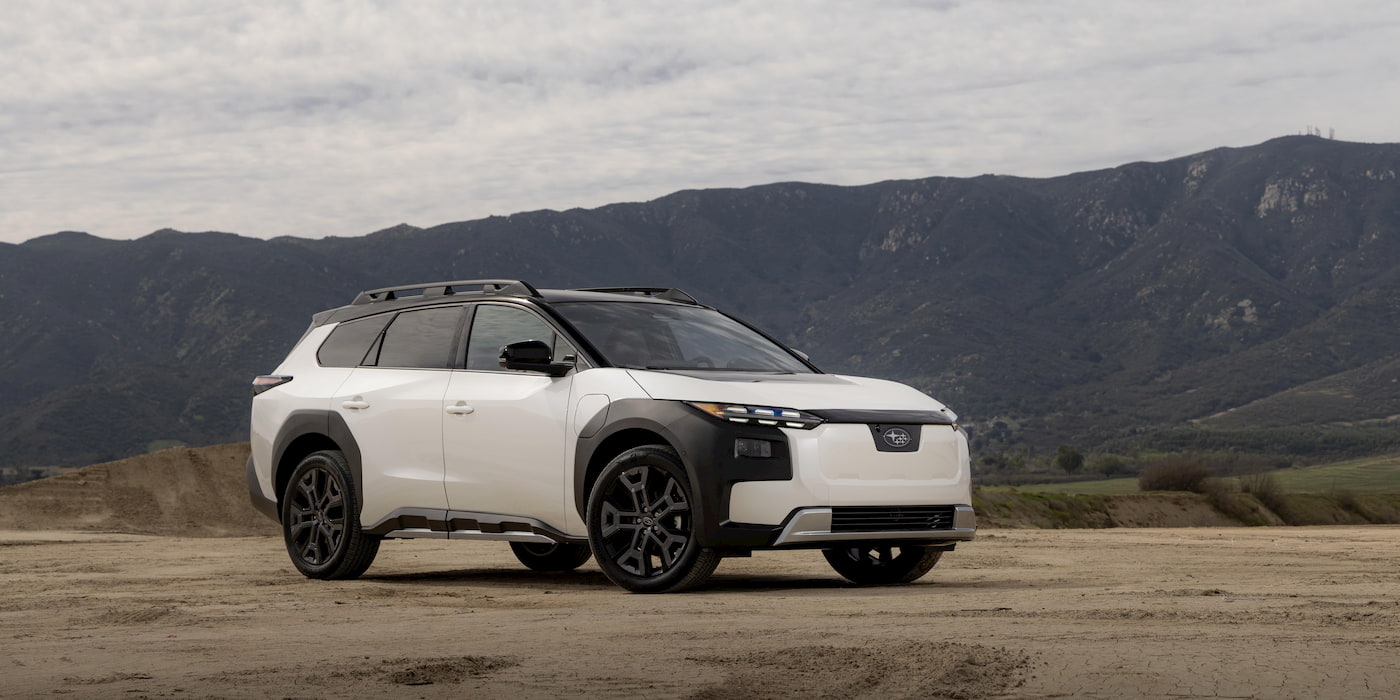
- Subaru sold 11,638 EVs through July across the Solterra (5,275), Uncharted (2,850), and Trailseeker (3,513), while incentive spending cut ¥24.9 billion ($155 million) from fiscal Q1 profits
- Subaru's per-vehicle incentive spending hit $9,650 on the Solterra, $9,155 on the Uncharted, and $8,982 on the Trailseeker — roughly triple the $3,036 average for the gas-powered Outback
- Subaru's fiscal Q1 operating profit fell 44% year-over-year to ¥42.6 billion ($270 million), with overall marketing costs per vehicle rising 40% to $2,698
- Solterra sales dropped 34% this year, and Subaru's 40% jump in incentive spending far outpaced the broader US market's 4.4% increase
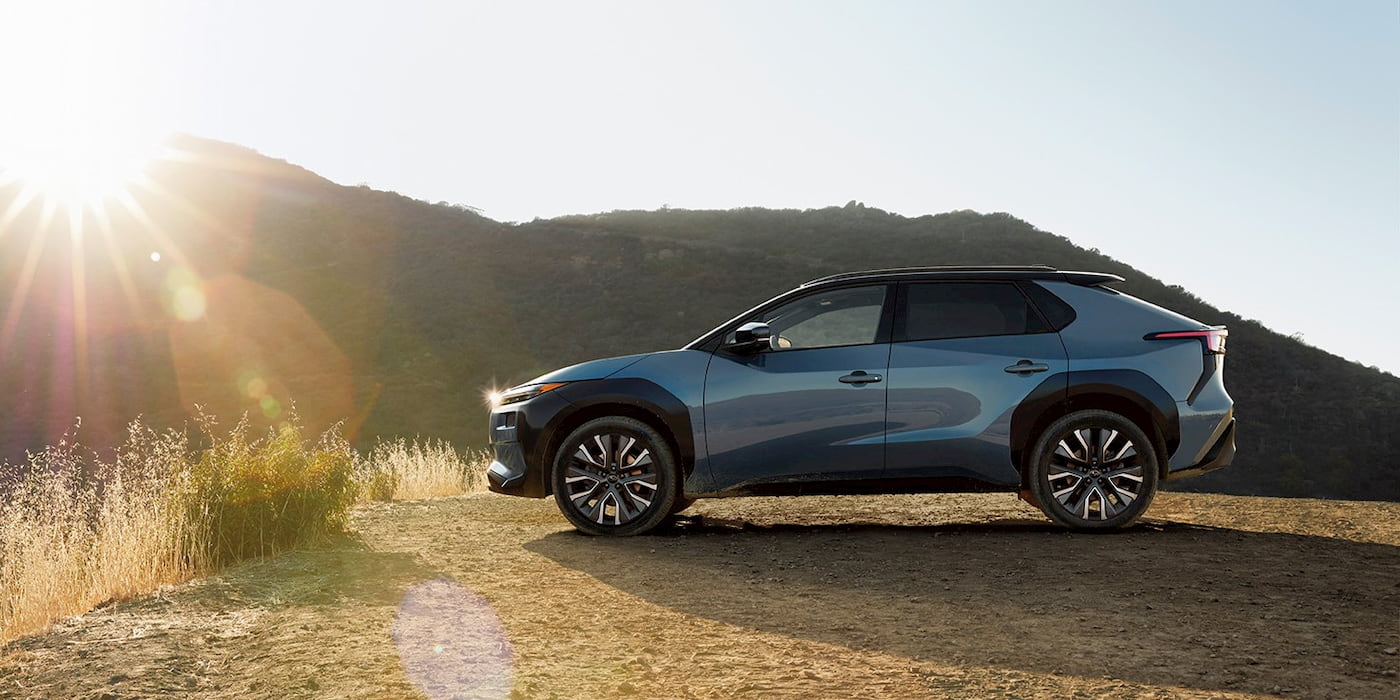
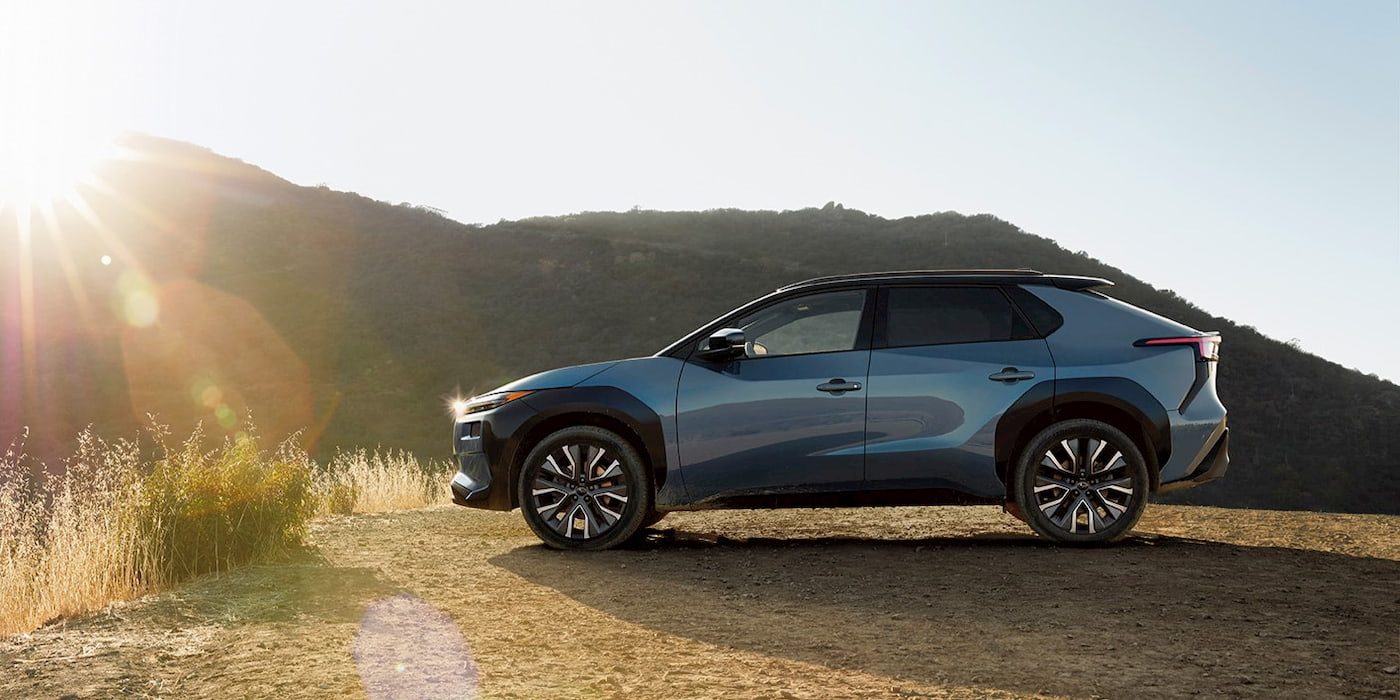
- Toyota's bZ — built on the same platform as Subaru's EVs — saw sales jump 90% year-over-year to rank as the fourth-most-popular EV in the US in H1, while its per-vehicle spending actually fell 7.6% to $8,588
Why it matters: Subaru is spending roughly $10,000 per vehicle to keep its EVs competitive in the US, and that cost just drove a 44% drop in quarterly operating profit. The Toyota bZ — built on the same shared platform — is gaining real traction with less spending, suggesting Subaru's incentive-heavy approach isn't translating into the sales momentum its partner is seeing from identical underlying technology.
Ask SkimNews