NJ Forest Service Flags High Wildfire Risk in NJ, DE — SkimNews
SkimNews Take
While heavy snow delayed controlled burns, the rapid shift to high temperatures and strong winds created a compressed window for extreme fire conditions, rather than simply extending the risk.
Get the Energy newsletter
Daily energy & climate — solar, EVs, oil, the policy fights and tech bets shaping the transition. Free.
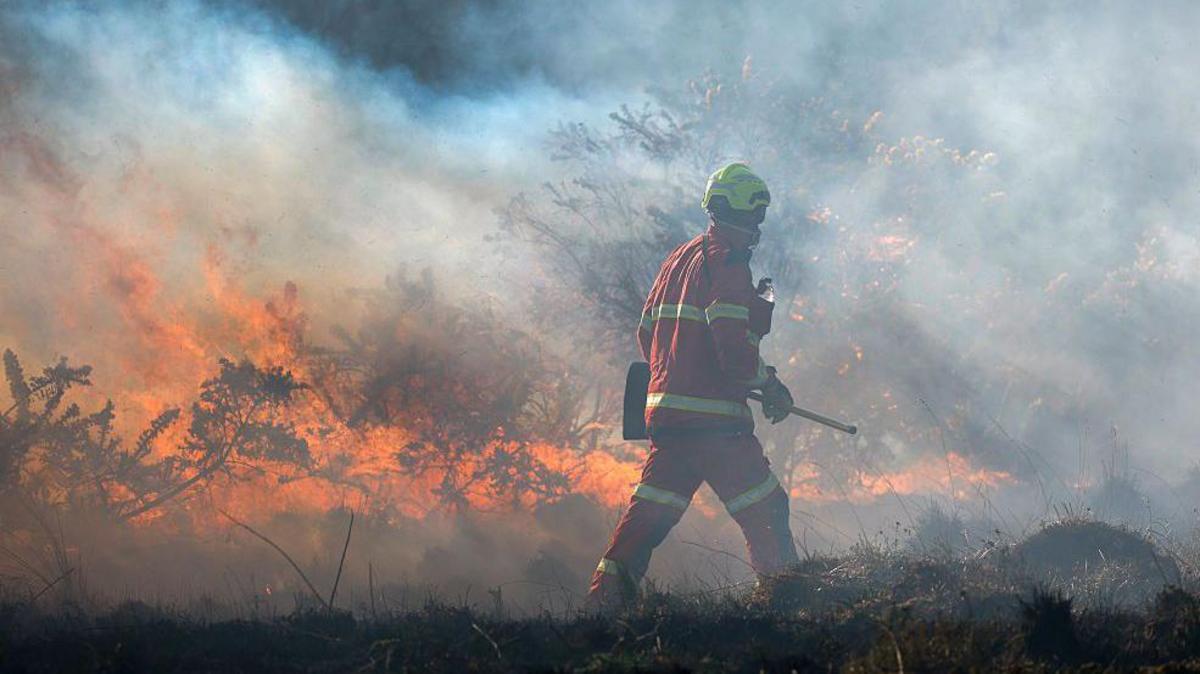
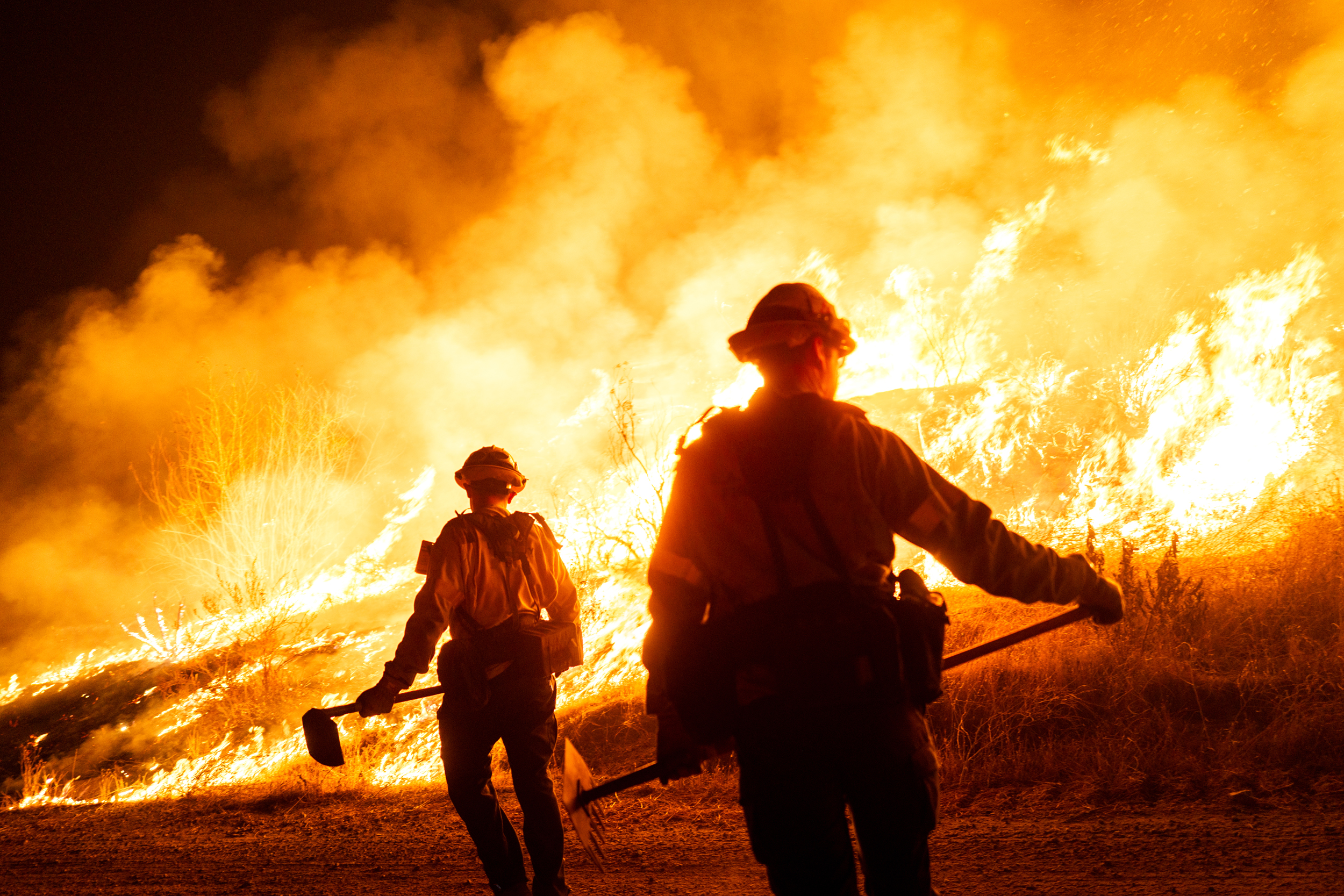
- New Jersey Forest Service announced elevated wildfire risk for Delaware and parts of New Jersey as humidity fell, temperatures rose into the 80s, and southwest winds gusted up to 30 mph, conditions that could spread fires quickly.
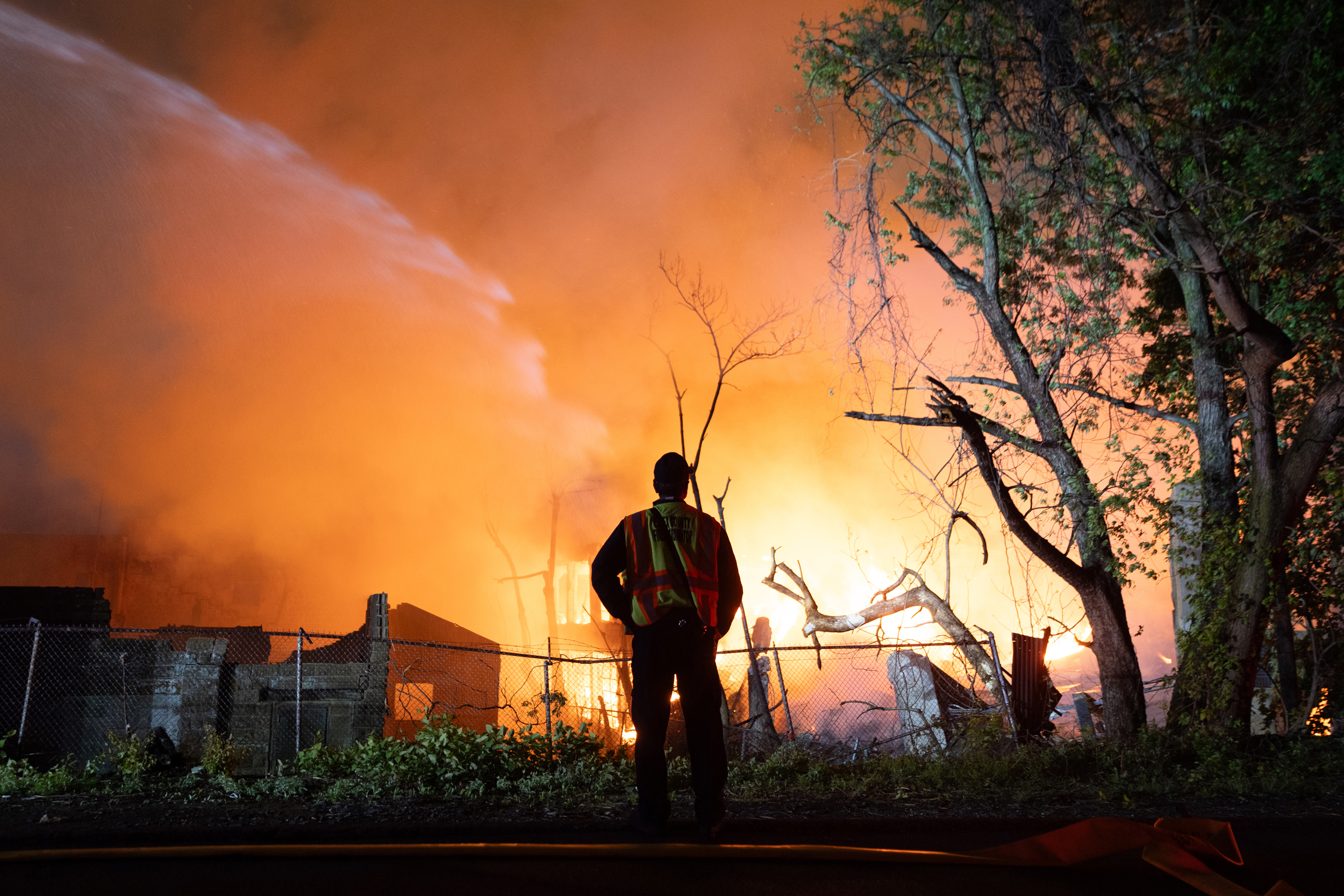
- Belleville Township experienced a 14‑alarm industrial fire on May 3, fueled by 19 % relative humidity and 20 mph winds, leading to school closures, evacuations, and days‑long smoke.
- Greg McLaughlin said the February nor’easter’s snowpack and a preceding drought limited prescribed burns to 35 % of the 25,000‑acre target, with only 3,958 acres treated in 2025—the lowest in 25 years.
- Prescribed Burning Act (2018) authorizes planned burns to reduce fuel loads, a tool the state has used since 1928 to protect the Pine Barrens and other forests.
- State budget increases of $3 million in FY 2024 and an additional $1 million this year funded new equipment, air support, 12 full‑time positions, and a new 133‑foot fire tower—the first built in 78 years—at the Forest Resource Education Center.
- David Robinson noted that April 2026 was NJ’s 6th warmest since 1895, and 21 of the past 24 months have seen below‑normal precipitation, creating dry conditions that can quickly raise fire danger.
- Stephen Mason emphasized that while fires are natural to the Pine Barrens ecosystem, prescribed burns differ from wildfires and help prevent high‑intensity fires by reducing accumulated leaf litter.
Why it matters: Residents and schools in the wildland‑urban interface face heightened fire danger, while the state’s limited prescribed‑burn progress leaves more fuel for potential high‑intensity blazes; the $4 million budget boost and new fire tower aim to improve detection and response, but climate‑driven dryness may outpace these measures.
Ask SkimNews