Bavi Slams East Asia; Western Europe Logs Hottest June — SkimNews

Get the Energy newsletter
Daily energy & climate — solar, EVs, oil, the policy fights and tech bets shaping the transition. Free.
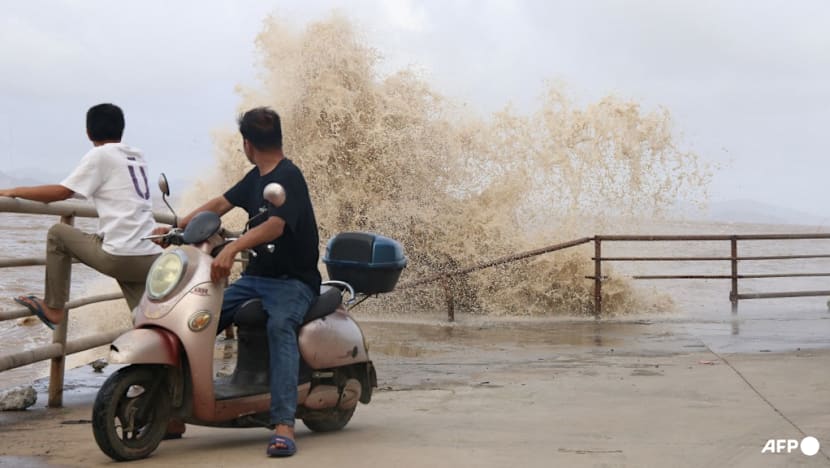
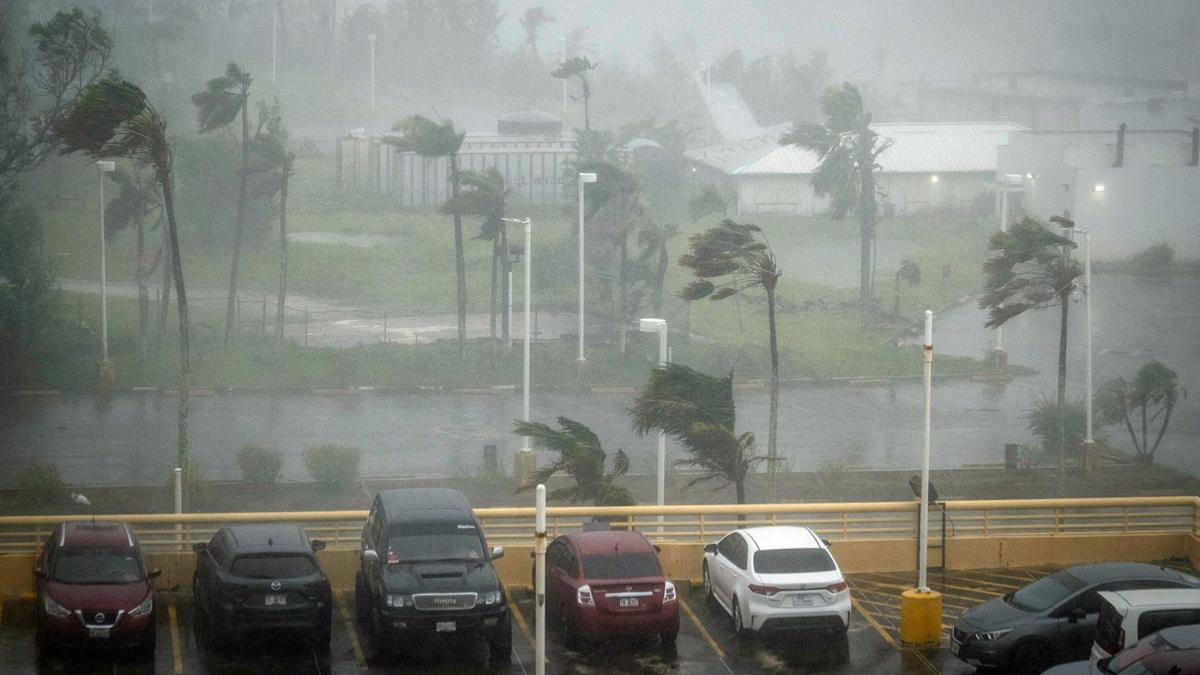
- Typhoon Bavi lashed Japan's Sakishima islands Saturday with 144 kph sustained winds and 198 kph gusts, becoming the largest storm by size to hit Taiwan since 1987.link ›
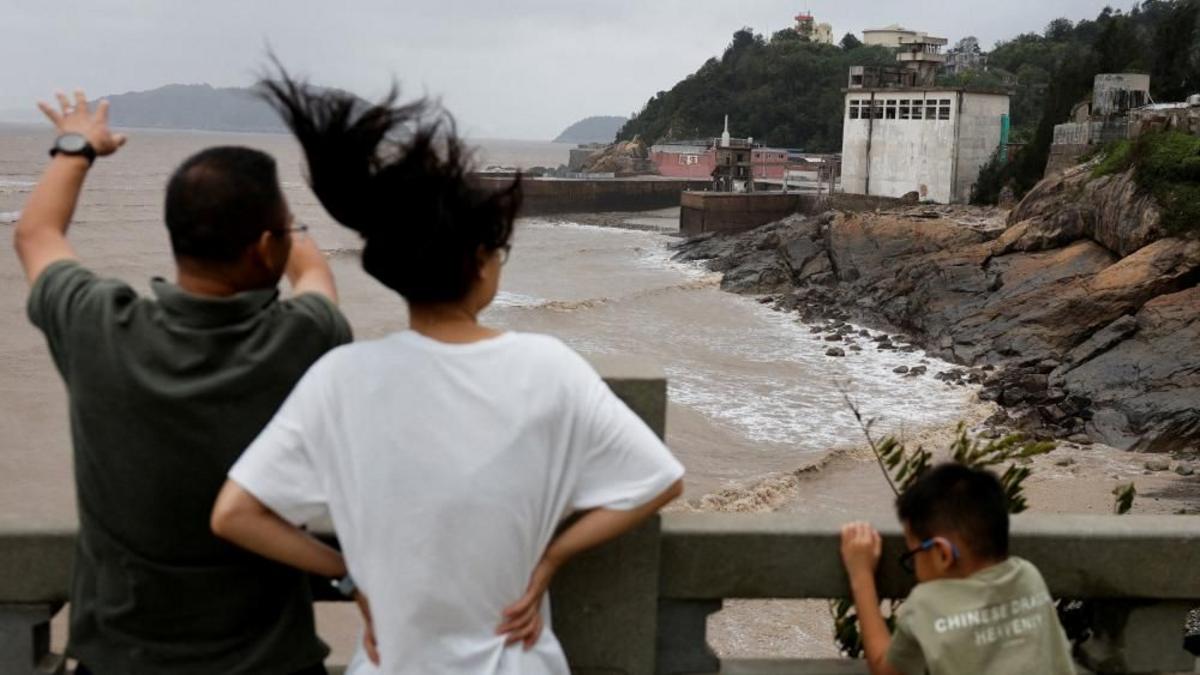
- Taiwan evacuated 14,000+ residents, scrapped 917 international and all 274 domestic flights, and declared a typhoon holiday across nearly every city and county.link ›
- Mindanao landslides triggered by Bavi's outer rains killed 15 people and left six missing, with the storm's 380-km strong-wind radius making it the largest Taiwan-bound typhoon in 30+ years.link ›
- CWA forecaster Jason Chang flagged Bavi as the most powerful typhoon since Super Typhoon Kong-rey in 2024, roughly France-sized with impacts forecast through July 13.link ›
- Western Europe averaged 20.74°C in June — its hottest on record, narrowly beating 2025 and running 3°C+ above the monthly average, per Copernicus.link ›
- East Saxony, Germany logged an overnight minimum of 29.4°C on June 28, a reading Germany's DWD called "historic" because bodies can't recover before the next day's heat.link ›
- Low-E windows can focus reflected sunlight like a magnifying glass when slightly bowed — one case traced three fires in a single week to a neighbour's new installation.link ›
- Marine cloud brightening over the eastern Pacific could nearly halve super El Niño warming, but only with a hypothetical 2,400-ship fleet and unrealized nozzle technology.link ›
Bavi — a France-sized storm with 200 km/h winds and a 380-km radius of damaging gusts — hammered East Asia this week as the largest typhoon to hit Taiwan since 1987. Taiwan evacuated 14,000 residents, scrapped 917 international and all 274 domestic flights, and declared a typhoon holiday; Japan's Sakishima islands took 144 kph sustained winds and 198 kph gusts Saturday. Two Mindanao landslides killed 15; landfall in China's Fujian province is expected the evening of July 11. While Bavi battered the Pacific Rim, Copernicus confirmed western Europe just recorded its hottest June on record at 20.74°C, with an overnight low of 29.4°C in East Saxony that Germany's weather service called 'historic.' Different oceans, same playbook: the infrastructure designed for 1987 is meeting 2026 unprepared.
The stories behind this week
Typhoon Bavi lashes Japan's southern islands; landslides kill 15 in PhilippinesWith 15 already dead in the Philippines and a 380-km wind radius threatening Taiwan and a city of 10 million in coastal China, Bavi is testing disaster-response capacity across four jurisdictions simultaneously. Taiwan's full shutdown and mass evacuation reflect the storm's unusual scale, while Mindanao's landslide toll underscores the vulnerability of mountainous and southern communities that storms passing near (not over) the Philippines can still devastate.

Western Europe just set the record for its hottest June everWith overnight minimums near 29.4°C preventing the body from recovering, and wildfires already displacing thousands across Spain and southern France, European infrastructure built for a cooler climate is being stress-tested in real time. Post-2003 early-warning systems reduced heat deaths by up to 75%, but experts say far greater investment in heat-resilient housing, affordable cooling, and reflective urban design is still needed.
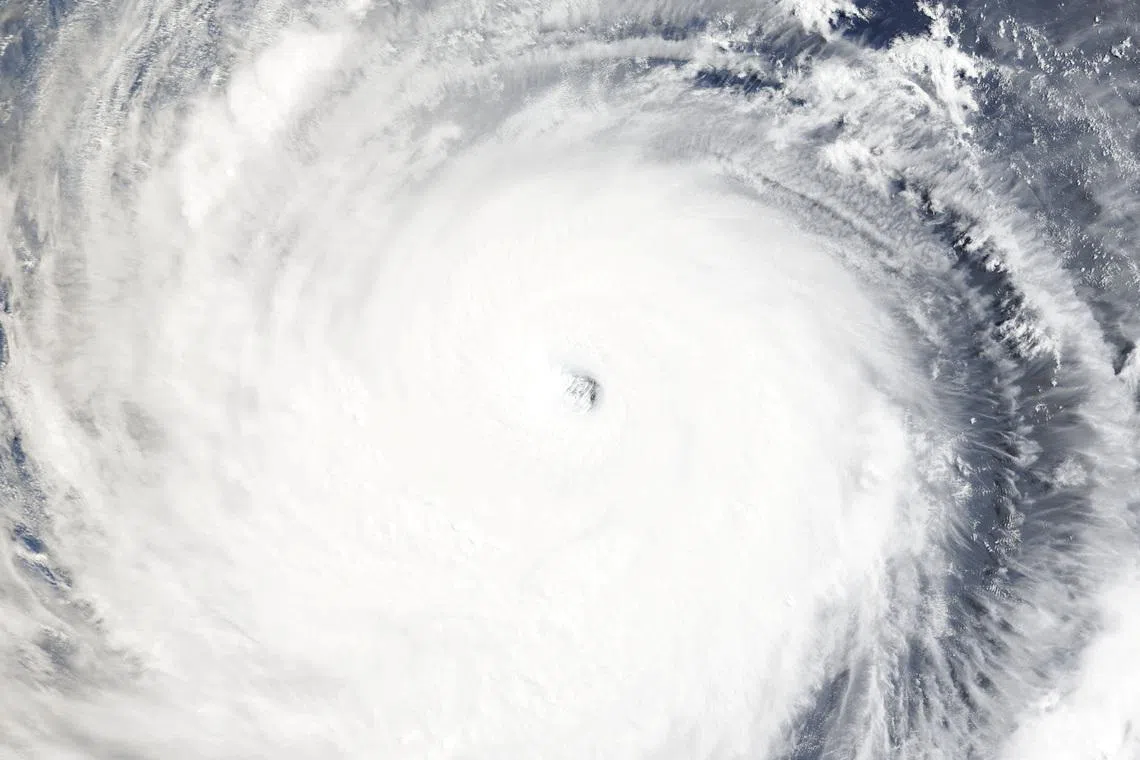
Typhoon Bavi Targets Taiwan, China With 200km/h WindsThree jurisdictions — Taiwan, China's Fujian province, and Japan's Okinawa — sit directly in Bavi's path from July 10–13, with the storm roughly France-sized and the largest to hit Taiwan since 1987. Separately, meteorologists flag 2026's emerging El Niño as likely to fuel more frequent and intense typhoons across the region beyond this single system.

Low-E Windows Can Start Fires on Neighbouring PropertyThe safety conversation around concentrated reflected sunlight has been almost entirely focused on commercial skyscrapers, where curved reflective façades are an established design concern. The source flags a parallel residential blind spot: any slightly warped low-E window installed in a home can, under the right sun angle, direct a focused beam onto a neighbour's property, with documented fires and property damage as the result. Homeowners who chose low-E glass specifically for energy savings may be unknowingly creating a fire hazard next door, and unlike architects building high-rises, they have no industry-wide protocol to flag the risk.

Ecological Grief Has No Rituals — That Has to ChangeThe essay reframes ecological loss as an emotional and spiritual crisis, not just a scientific one — making the case that without public rituals of mourning, communities absorb environmental decline in silence while ecosystems degrade further. The author cites concrete precedents (Flanagan's reef obituary, Iceland's glacier plaque) showing that formal acknowledgment is already possible, though culturally rare.

Seawater cloud brightening halves super El Niño warmingThe study reframes geoengineering's appeal: short-term interventions aimed at disrupting individual climate events like El Niño sidestep the "termination shock" risk of permanent cooling schemes, yet a 2,400-ship deployment and unintended La Niña shifts reveal how far the technique remains from real-world viability.

Desert Rain Frog Listed as Vulnerable by IUCNThe desert rain frog exists nowhere else on Earth, and two major infrastructure projects are set to erase up to two-thirds of its Namibian habitat within two decades. If the pet trade that viral videos are fueling translates into wild collection, an already range-locked species loses its last buffer.
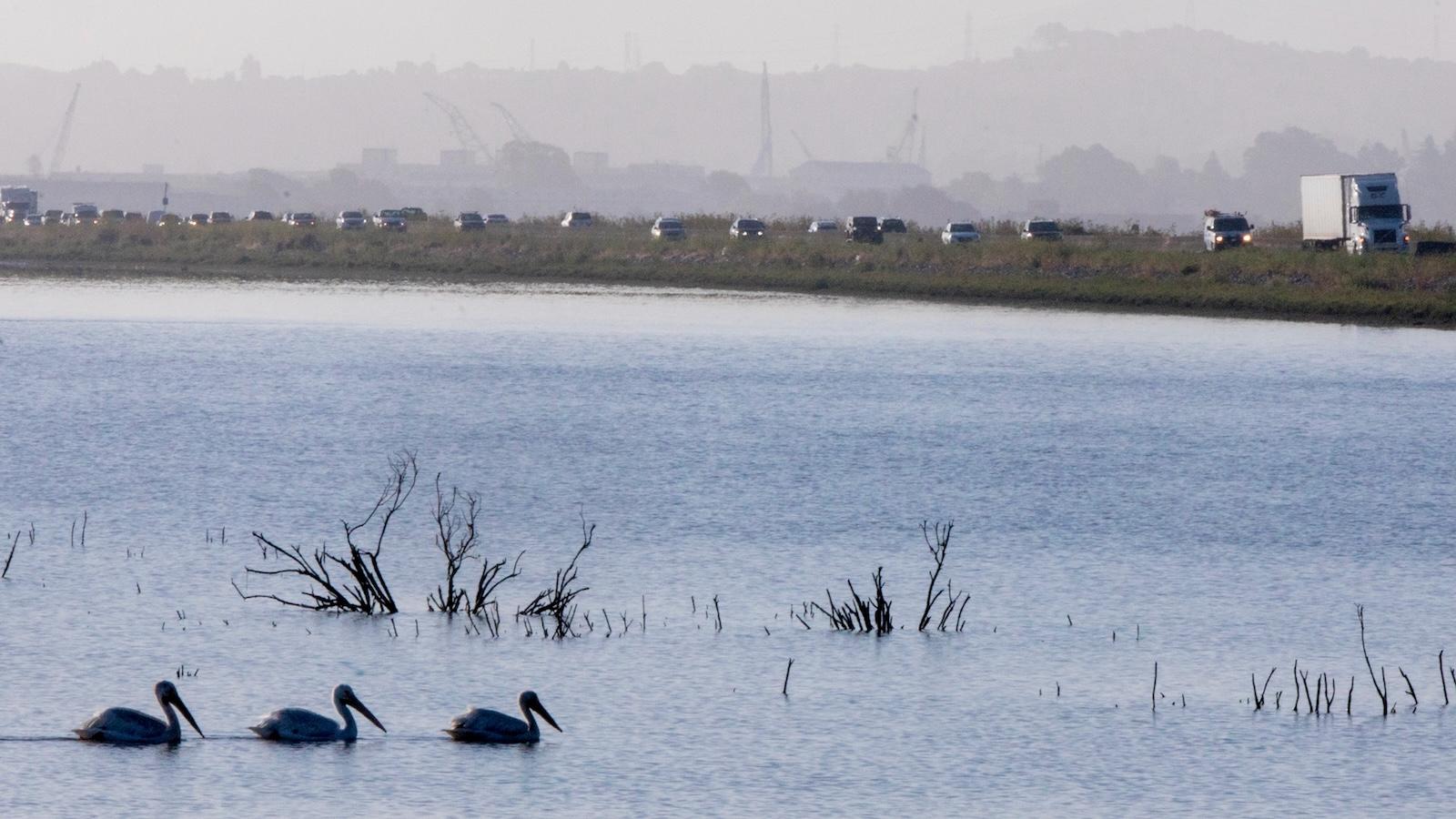
How to build a highway in the age of climate changeCalifornia's SR-37 choice pits a $500 million incremental fix against a $10 billion full rebuild — and climate advocates argue the cheaper plan directly undermines the state's own emissions goals by adding lanes to a road where portions may be permanently underwater by 2050 and California could see 1.6 to 3.1 feet of sea-level rise by 2100.
Why it matters: A France-sized storm that forced Taiwan to evacuate 14,000 residents and cancel nearly 1,200 flights in the same week Europe recorded its hottest June on record is the new operating envelope for every grid operator and port authority between Shanghai and Hamburg.
Ask SkimNews