‘Fusogenic’ neurosurgery let paralysed pigs walk again – are we next? — SkimNews

Get the Health newsletter
Daily health & science — research, biotech, public health, the studies worth knowing. Free.
- Michael Lebenstein-Gumovski's team at Moscow's Sklifosovsky Institute severed the spinal cords of five pigs, then injected a fusogen of polyethylene glycol and chitosan into the injury sites of three animals, with two left untreated as controls
- All three treated pigs walked unsteadily by the end of the 60-day study, regaining pelvic control and partial touch sensitivity, while the two untreated controls remained paraplegic throughout
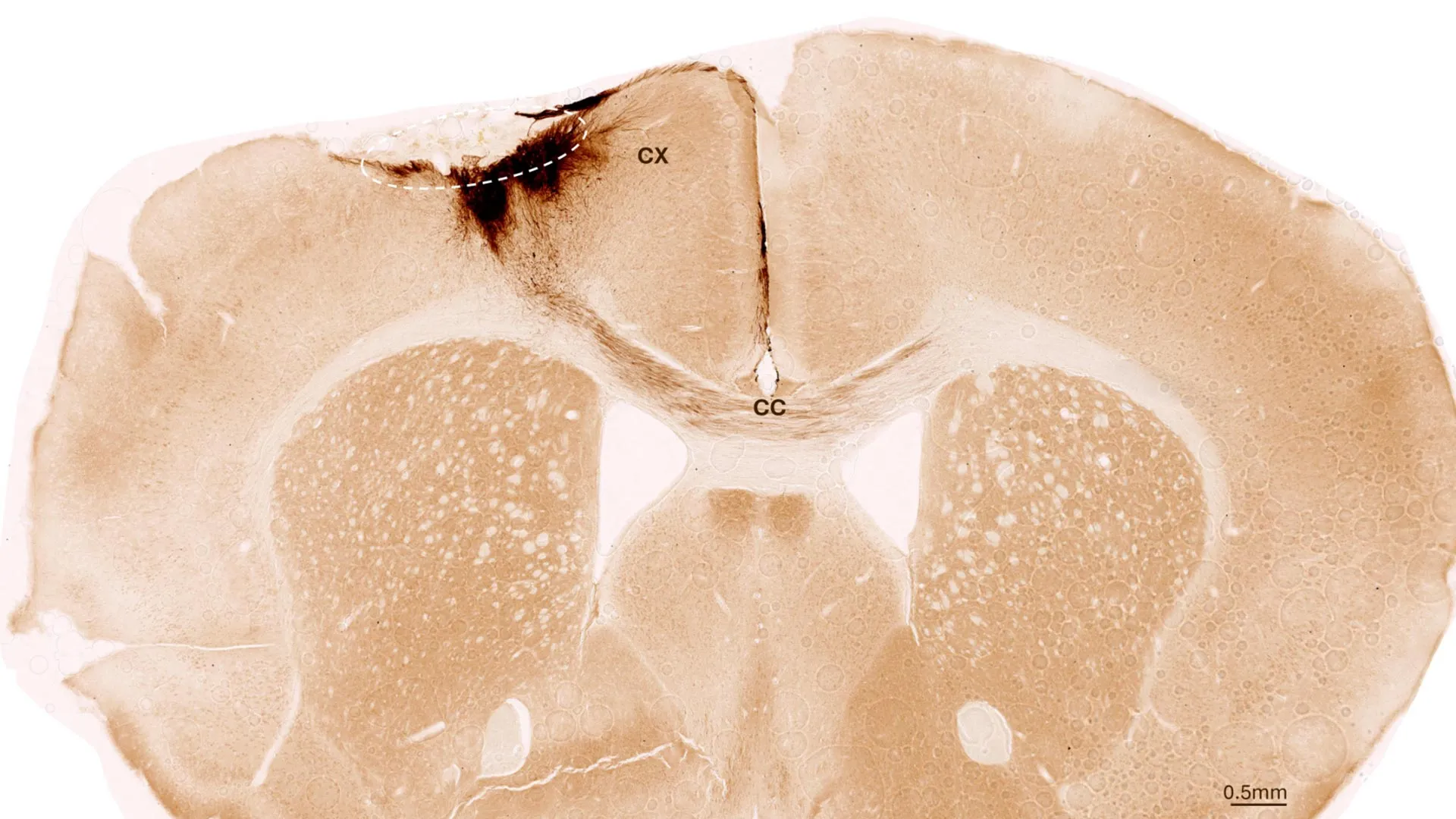
- Post-mortem analysis of the treated pigs revealed 'axonal bridges' — twisted, thickened axons spanning the lesion — with less tissue degeneration than in the control animals
- Sergio Canavero, who in 2015 claimed human head transplants were two years away, contributed editorial work to the paper and called the findings 'another key step toward brain transplants, which are in the works'
- A Russian law taking effect 1 September adds nerve, spinal cord and its fragments to the country's authorized list of transplantable tissues, while Canavero claims first human trials of spinal cord fusion are scheduled for late this year
- Melissa Andrews at the University of Southampton called the results 'striking' and 'encouraging,' but flagged that the spinal cord was cooled for a minute before being cut — conditions she said don't reflect typical real-world injuries
- Lebenstein-Gumovski acknowledged the team did not perform electrophysiological assessment immediately after the transection — a gap he said allows some doubt that the cuts were complete, and one future experiments will address
Why it matters: More than 15 million people live with spinal cord injuries and lack effective treatments, making even partial motor recovery significant — but the controlled conditions (cord cooled before cutting, just five pigs) are far from real-world injuries, and Canavero's own framing positions this research as a step toward brain transplantation, with Russia's new transplant law effective 1 September clearing a regulatory path.
Ask SkimNews