Study finds adult human hippocampi make new neurons — SkimNews

Get the Health newsletter
Daily health & science — research, biotech, public health, the studies worth knowing. Free.
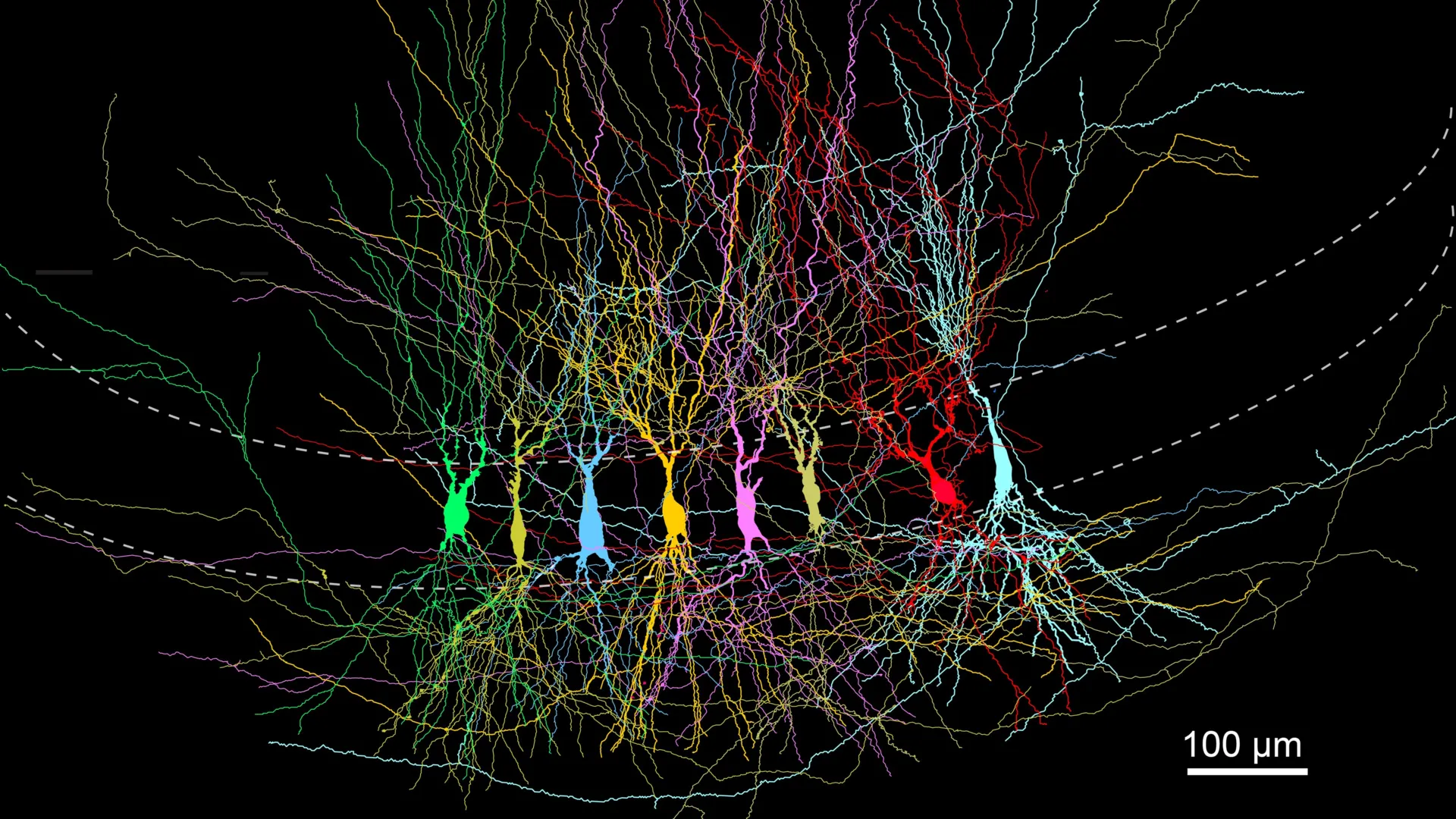
- Ionut Dumitru and colleagues at the Karolinska Institute genetically analyzed roughly 400,000 cells from hippocampi of people who died from infancy through adulthood, used machine learning to identify proliferating progenitors and found about 350 in some—but not all—sampled brains, providing evidence of active neurogenesis.
- Hongjun Song’s team used full genetic profiles to find immature neurons in people across all stages of life, up to age 92, but these cells can remain immature for a long time, perhaps even a lifetime, so they do not alone prove adult generation.
- Fred Gage’s team found the division marker BrdU in hippocampal cells in five postmortem brains from cancer patients given the marker in the 1990s, but BrdU could also flag repair, so the result did not settle the debate.
- Sandrine Thuret said adult neurogenesis is present and the new debate is what it is for, while at least 38 related clinical trials are underway; Arturo Alvarez-Buylla remains skeptical that machine-learning models can reliably classify cell types.
- Orly Lazarov’s team found that superagers had roughly twice as many immature hippocampal neurons as adults without cognitive impairments, while people with Alzheimer’s had almost none; some superagers nevertheless showed plaques and tangles.
- René Hen’s team showed in rodents that blocking new-neuron production also stopped responses to antidepressants; its animal work also links hippocampal neurogenesis to pattern separation, a process impaired in depression.
Why it matters: For researchers working on Alzheimer’s, stroke and ALS, adult neurogenesis shifts attention toward stimulating neuronal replacement; at least 38 clinical trials related to the process are already underway. The evidence remains uneven, however: a causal antidepressant result comes from rodents, while the human case rests on post-mortem tissue.
Ask SkimNews