Topical senolytic speeds wound healing in aged mice — SkimNews
Get the Health newsletter
Daily health & science — research, biotech, public health, the studies worth knowing. Free.
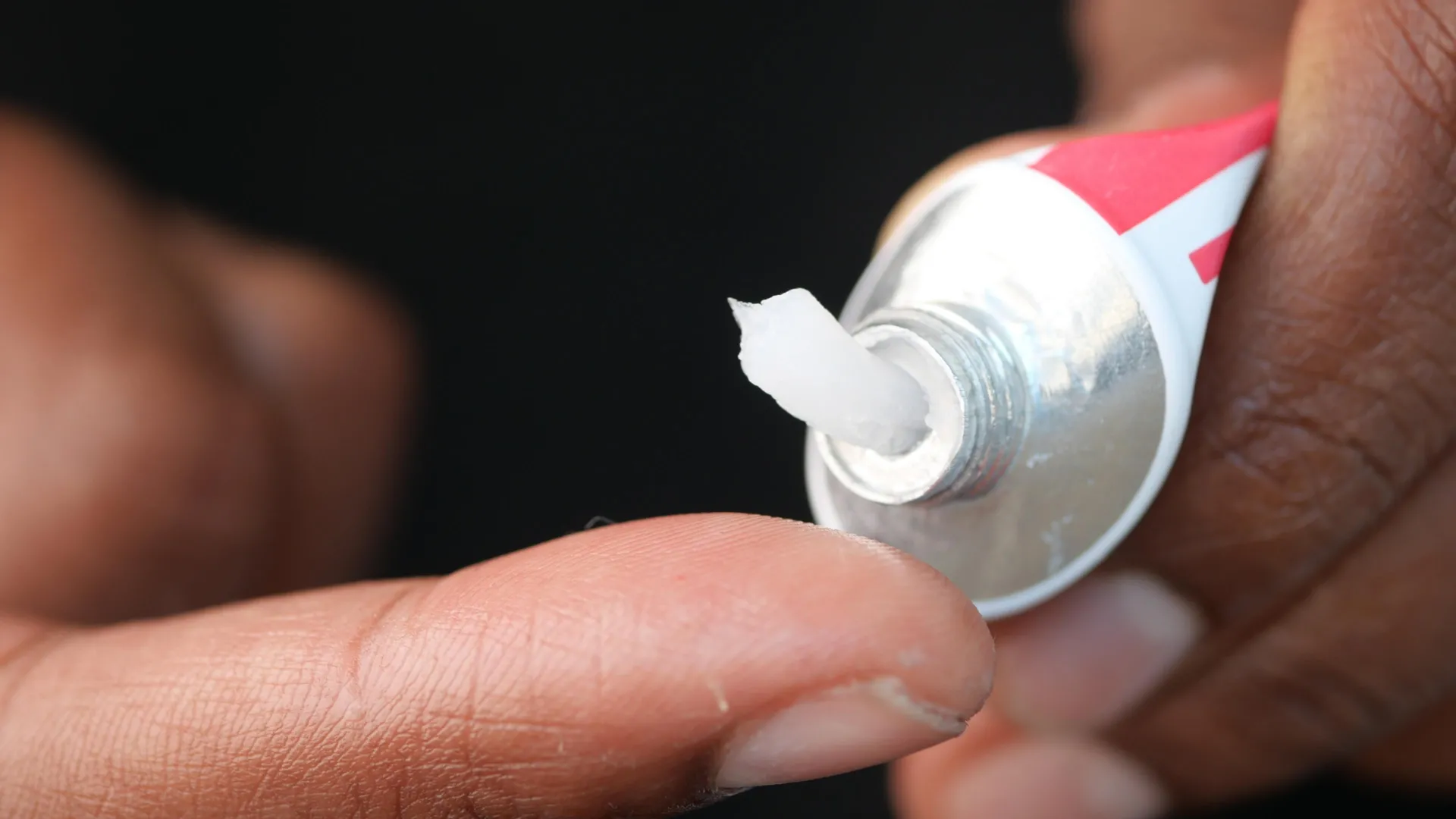
- ABT-263 applied topically to aged mice for five days reduced senescent cells and significantly improved wound healing, with 80% of treated mice fully healed by day 24 versus 56% of untreated controls.
- Boston University researchers led by Maria Shvedova and Daniel S. Roh found the treatment temporarily boosted inflammation — a normal early repair stage — and increased activity of genes linked to collagen production and new blood vessel growth.
- The drug selectively cleared senescent cells in older mice but showed no equivalent effect in young mice, likely because aged tissue carries far more of the target cells.
- Topical delivery could limit systemic exposure and sidestep side effects associated with oral senolytic drugs, the authors noted in their Aging-US paper.
- Results are preclinical — mice only — so any use in humans for slow-healing surgical or chronic wounds remains unproven and years from clinical testing.
Why it matters: Slow-healing wounds in older adults, including those tied to surgery or chronic illness, are a real clinical problem with limited solutions. The preclinical data suggest a topical senolytic could one day be used preoperatively to prime aging skin for repair while avoiding the side effects of oral senolytics — but the work is mouse-only and far from proven in people.
Ask SkimNews