Hiroshima Marks 81st Anniversary as Japan Weighs Easing Non-Nuclear Policy — SkimNews

Get the Geopolitics newsletter
Daily geopolitics — wars, elections, sanctions, the diplomatic moves that move markets. Free.
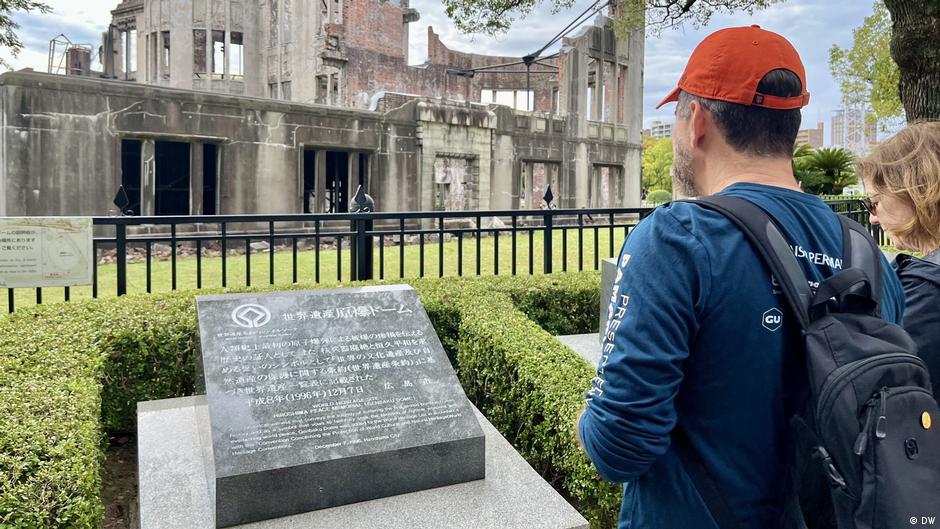
- Hiroshima observed the 81st anniversary of the U.S. atomic bombing on August 6, 2026, with Mayor Kazumi Matsui warning that downplaying nuclear weapons' inhumanity "could ultimately result in another Hiroshima or Nagasaki."
- Mayor Kazumi Matsui criticized major powers for waging wars and said leaders who legitimize nuclear deterrence "push a world without nuclear weapons further into the distance" in his peace declaration at Hiroshima Peace Memorial Park.
- Prime Minister Sanae Takaichi, attending her first memorial in the role, said she would take "a realistic approach" toward nuclear disarmament within the NPT framework but stopped short of committing to keep Japan's three non-nuclear principles.
- Takaichi's hawkish government is expected to compile new security and defense documents later this year that may ease the third non-nuclear principle — the ban on permitting nuclear weapons to be brought into Japan.
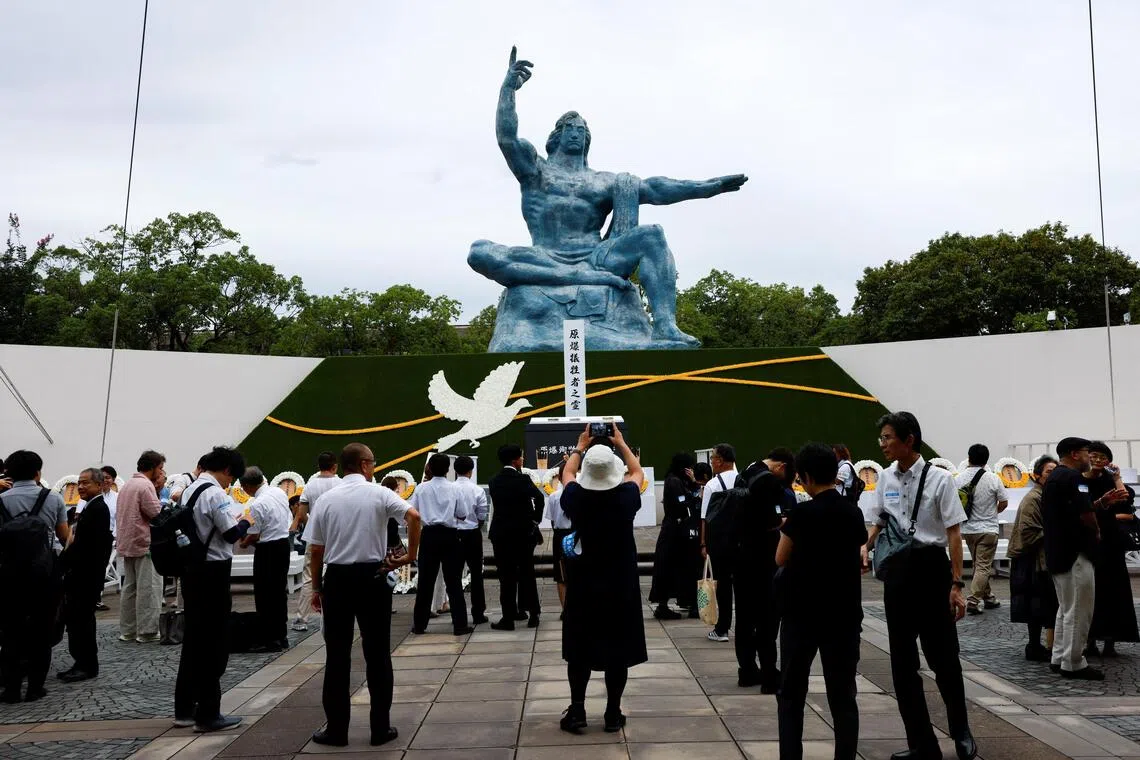
- The ceremony drew roughly 50,000 attendees including representatives from about 120 countries and regions, including the United States and Iran, with a minute of silence observed at 8:15 a.m. — the exact moment the B-29 dropped the bomb in 1945, killing 140,000.
- Hiroshima survivors have voiced frustration over growing international support for nuclear deterrence; Japan remains under the U.S. nuclear umbrella and has rejected survivors' requests to sign or even observe the Treaty on the Prohibition of Nuclear Weapons.
- The survivor population has fallen to 91,105 — roughly a quarter of the original — with an average age exceeding 86, heightening survivors' worry that memories of the attack are fading.
Why it matters: The Takaichi government's anticipated review of Japan's non-nuclear principles — particularly the ban on hosting nuclear weapons — would mark a concrete departure from decades of postwar policy and directly contradicts Mayor Matsui's plea against deterrence thinking. With the survivor cohort down to about a quarter of its original size and averaging 86+ years, the constituency anchoring Japan's anti-nuclear consensus is itself aging out.
Ask SkimNews