Yasuo Fukuda Dies at 90, Japan Debates Fukuda Doctrine — SkimNews
Get the Geopolitics newsletter
Daily geopolitics — wars, elections, sanctions, the diplomatic moves that move markets. Free.
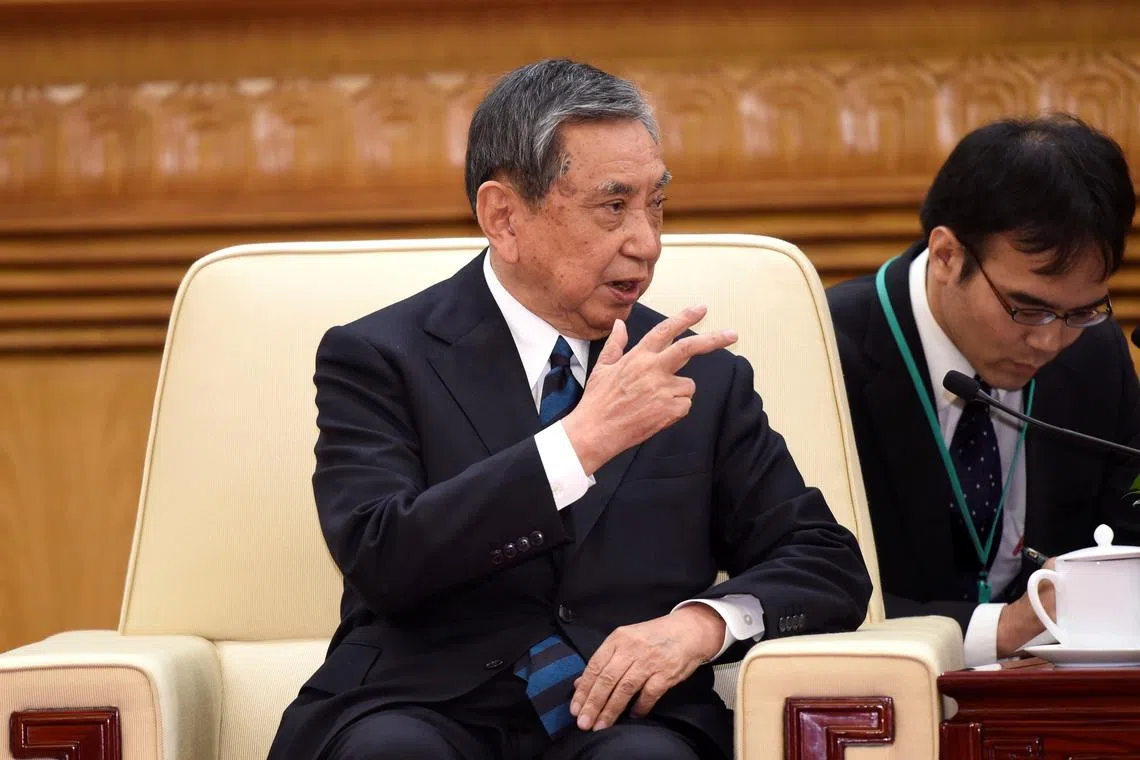
- Yasuo Fukuda died at 90 on Oct 22, with the death announced four days later by his son, six-term LDP parliamentarian Tatsuo Fukuda; Yasuo served as prime minister from 2007 to 2008.
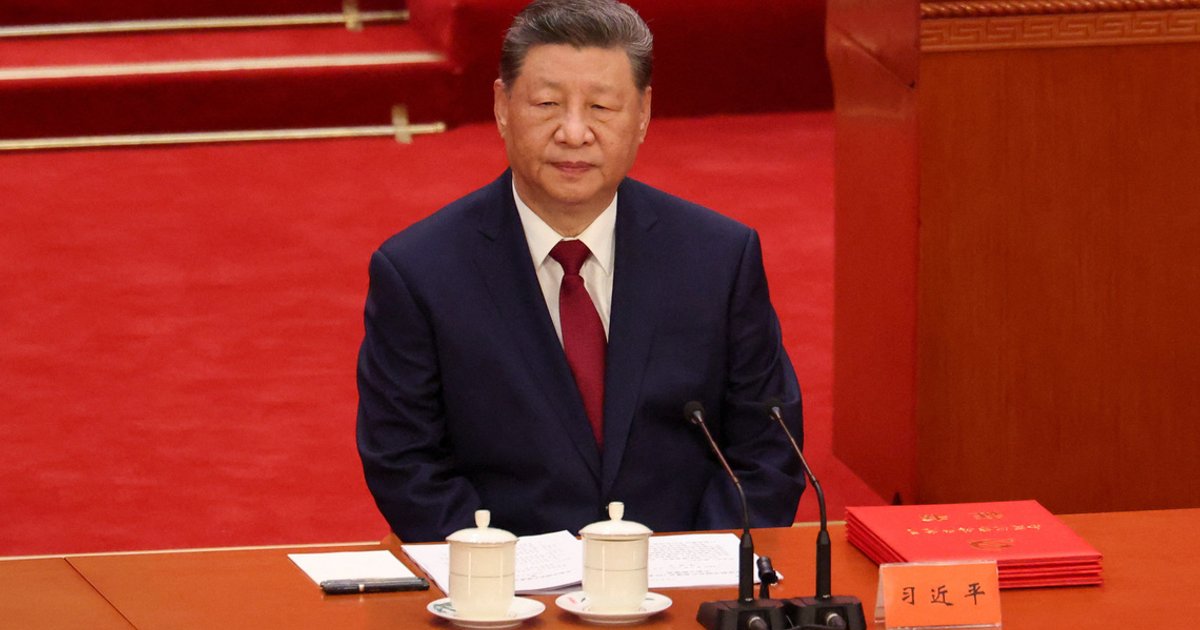
- Xi Jinping praised Fukuda as a statesman with “integrity and sense of responsibility” who upheld a “correct view of history,” while Chinese Foreign Ministry spokesman Guo Jiakun said his principles should prompt “self-reflection and soul-searching” among Japan’s current leaders.
- China sent Xi’s condolences directly to Fukuda’s family rather than Prime Minister Sanae Takaichi; Waseda’s Rumi Aoyama said the contrast was calculated and indicated Beijing’s preferred course for Japan.
- Takeo Fukuda unveiled the 1977 Fukuda Doctrine, which committed Japan to renouncing militarism, pursuing equal partnership with ASEAN and building “heart-to-heart” ties, then signed the Japan-China Treaty of Peace and Friendship in 1978, pledging peaceful dispute settlement and no regional hegemony.
- Xi Jinping met Fukuda secretly in Beijing in July 2014, helping break a multi-year diplomatic freeze over the Senkaku/Diaoyu islands; a formal summit between Xi and Shinzo Abe followed later that year.
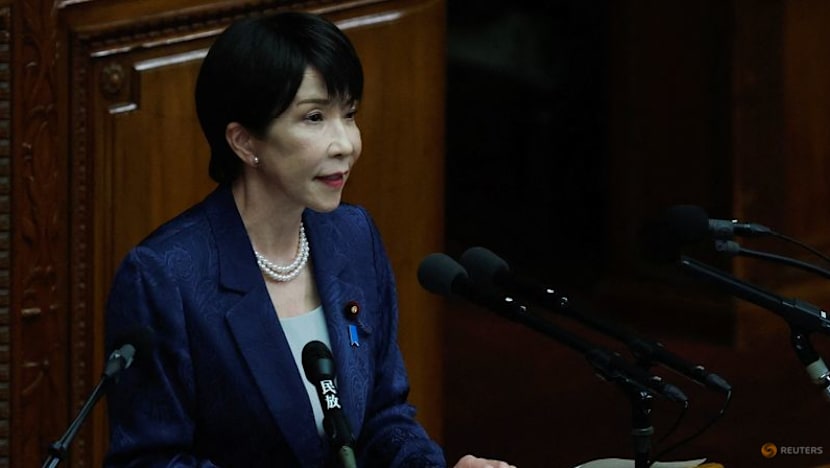
- Sanae Takaichi drew a diplomatic stand-off with Beijing after November 2025 parliamentary remarks suggesting Japan’s Self-Defense Forces could be mobilised in a Taiwan contingency; Japanese diplomats also faulted her for logging fewer overseas visits and skipping October’s online G-7 summit.
- Tatsuo Fukuda said the Fukuda Doctrine should retain its foundational pillars as its 50th anniversary approaches in 2027, while shifting focus toward food security, energy supply, demographics and the environment.
Why it matters: With the Fukuda Doctrine’s 50th anniversary due in 2027, Japan and ASEAN face a concrete test: update a doctrine underpinning Japan’s standing as ASEAN’s most trusted country. China’s message offers a demanding benchmark for Takaichi’s government, while Japan’s defence-budget doubling makes transparent communication more critical.
Ask SkimNews