Nanoparticles Cut Alzheimer's Plaques 50% in 1 Hour — SkimNews

SkimNews Take
The nanotechnology's success in restoring the brain's waste-clearance system suggests Alzheimer's may be more a systemic breakdown of cellular maintenance than an isolated neurological malfunction.
Get the Health newsletter
Daily health & science — research, biotech, public health, the studies worth knowing. Free.
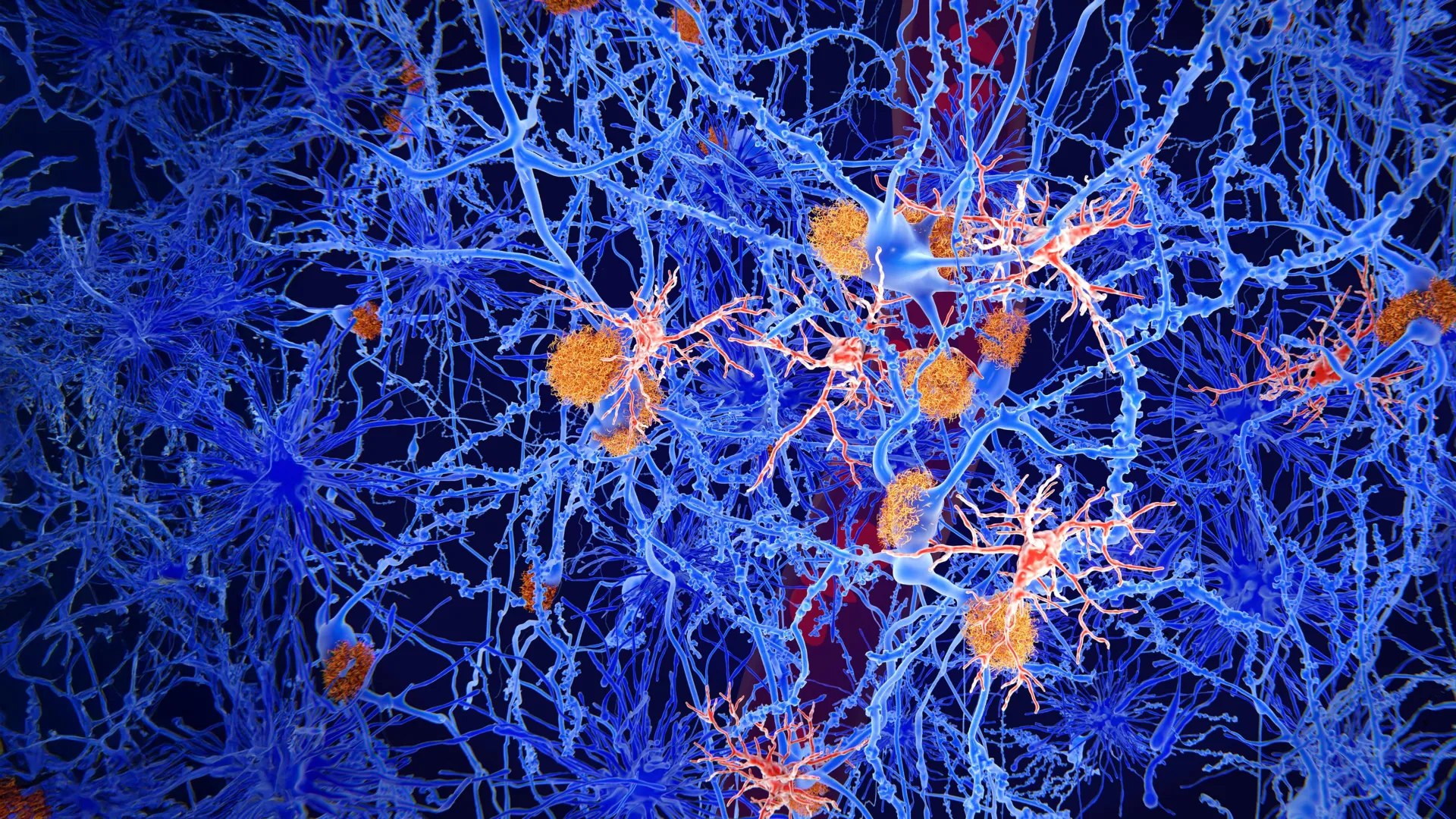
- International researchers from IBEC, West China Hospital Sichuan University, and University College London reported in Signal Transduction and Targeted Therapy that supramolecular nanoparticles cleared 50-60% of amyloid-β in mouse brains within just one hour of injection, with only three doses total.
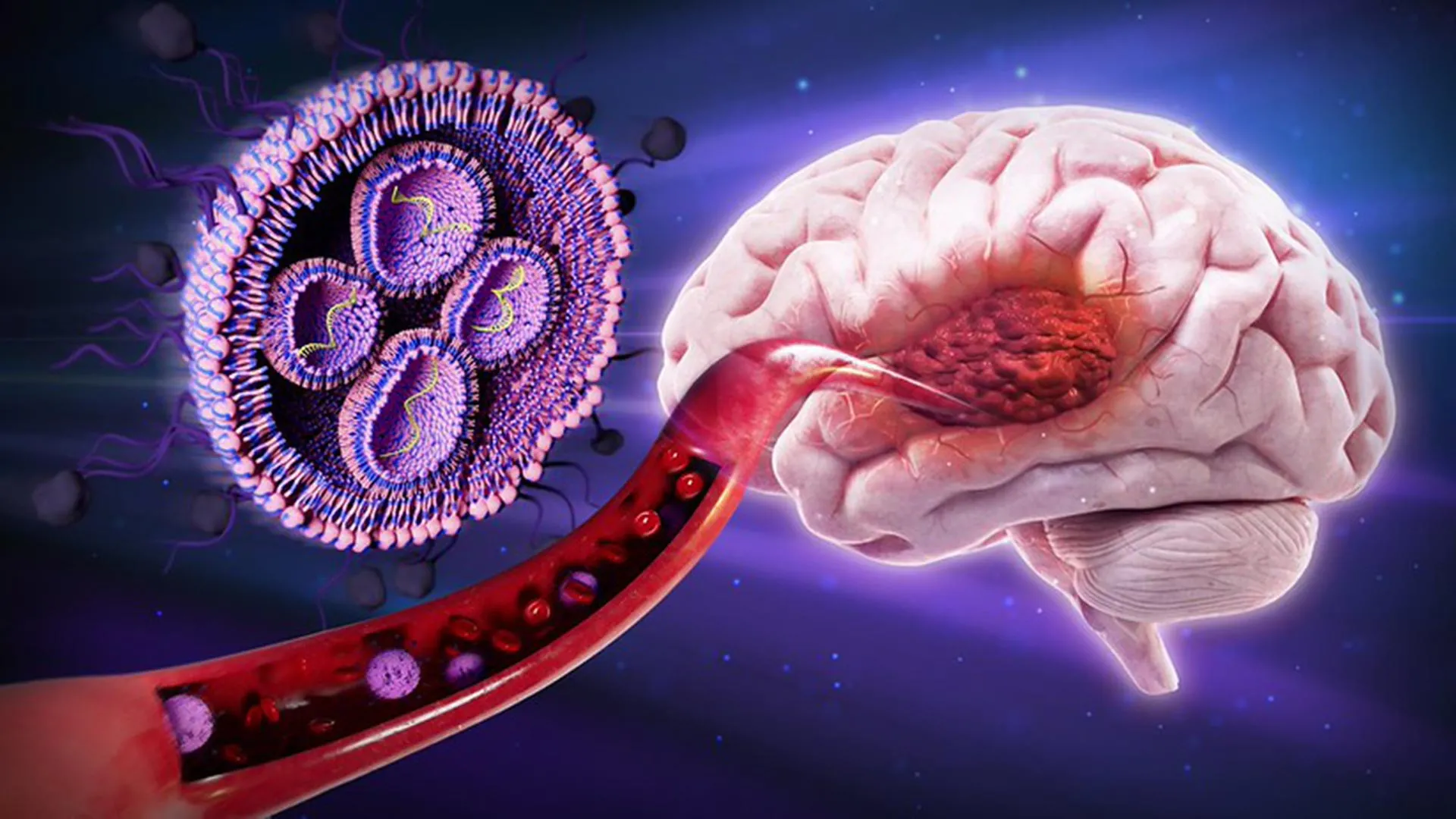
- The nanoparticles act as the therapy themselves rather than serving as drug-delivery vehicles — a departure from typical nanomedicine, designed via bottom-up molecular engineering to interact directly with cell-membrane receptors.
- The treatment targets the blood-brain barrier's LRP1 transport protein, resetting a 'cascade' feedback mechanism described by lead investigator Giuseppe Battaglia that lets the brain resume clearing toxic waste on its own.
- In a long-term experiment, a 12-month-old mouse (roughly equivalent to a 60-year-old human) was treated and evaluated six months later at the mouse equivalent of age 90, showing no signs of Alzheimer's-related cognitive decline.
- The approach could complement anti-amyloid antibody drugs — one of the field's biggest unsolved problems is getting enough medicine across the blood-brain barrier safely and efficiently.
- Researchers cautioned the findings remain in animal testing, noting that many mouse-stage Alzheimer's therapies have subsequently failed in human clinical trials.
Why it matters: The blood-brain barrier is the central bottleneck in Alzheimer's drug development, and this approach repairs the barrier's own transport machinery rather than attacking plaques directly. The 50-60% amyloid clearance within one hour sets a speed benchmark most antibody drugs can't match — though the results remain in mice, where countless prior candidates have later failed.
Ask SkimNews